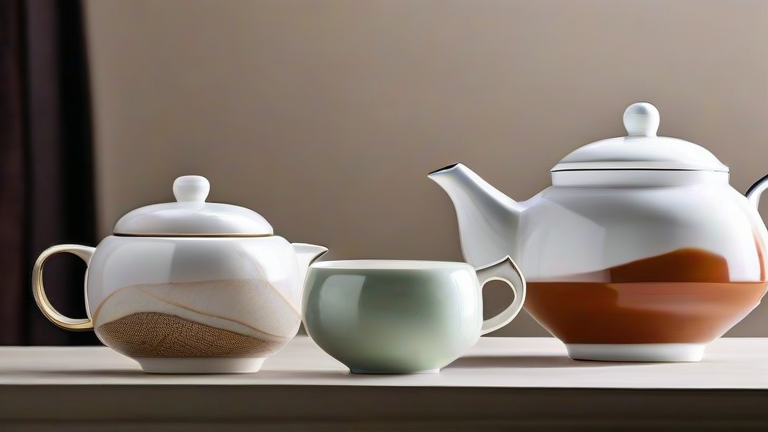
Handcrafted Porcelain Teapots & Sets: The Ultimate Tea Guide
TL;DR: Handcrafted porcelain teapots offer superior heat retention and a neutral taste profile that enhances the delicate nuances of green and white teas. This guide highlights the best artisanal sets, comparing their durability and aesthetic appeal to help you find the perfect vessel for your daily ritual.
The Art of Porcelain
Porcelain is the gold standard for tea enthusiasts due to its non-porous nature. Unlike clay, it does not absorb oils or flavors, ensuring that every cup tastes exactly as the brewer intended. Handcrafted pieces stand out because of their unique glaze variations and structural integrity, often fired at higher temperatures than mass-produced alternatives. When selecting a teapot, consider the spout design; a smooth, unobstructed flow is crucial for preventing drips and maintaining water temperature. Additionally, the weight of the pot matters. A well-balanced teapot should feel substantial yet manageable, allowing for precise control during the pouring process. This balance is often achieved through careful kiln firing and hand-finishing, which machine-made items rarely replicate.
If you want to dig deeper, check out our guide on Porcelain Teapots & Health: Why They’re Safe for Brewing.
Feature Highlights
Top-tier porcelain sets typically feature a matching cup and saucer set, ensuring a cohesive aesthetic on your tea table. Look for high-fired porcelain, which is denser and more resistant to chipping. Many artisanal makers now incorporate ergonomic handles that provide a secure grip, even when the pot is hot. Furthermore, the interior glaze should be smooth to the touch, facilitating easy cleaning without scrubbing. Some premium sets include a built-in strainer, which is essential for loose-leaf teas to prevent leaves from entering your cup. The exterior finish also varies, from matte minimalist designs to vibrant, traditional patterns. Each style serves a different purpose; matte finishes hide fingerprints and offer a modern look, while glossy traditional designs celebrate cultural heritage and add a touch of elegance to formal gatherings.
Comparisons: Handcrafted vs. Mass-Produced
When comparing handcrafted porcelain to mass-produced options, the difference is palpable in both performance and presentation. Mass-produced teapots often use lower-grade materials that may leach slight chemical tastes over time. In contrast, handcrafted pieces use high-quality kaolin clay, resulting in a purer drinking experience. While the initial investment for artisanal ware is higher, the longevity and aesthetic value provide better long-term cost efficiency. Moreover, supporting handcrafted goods ensures that traditional pottery techniques are preserved. You are not just buying a container for tea; you are investing in a piece of functional art that will age gracefully and become a cherished heirloom in your home.
Call to Action
Ready to elevate your tea ceremony? Explore our curated collection of handcrafted porcelain teapots and sets today. Choose the style that resonates with your personal aesthetic and brewing preferences. Whether you prefer a minimalist white vessel or an ornate, colorful set, there is a perfect match for you. Click below to view the full range of artisanal options and start your journey toward a richer, more flavorful tea experience. Do not settle for less when it comes to the vessel that holds your favorite beverage.
FAQ
Q: Can I use a porcelain teapot for herbal teas?
A: Yes, porcelain is ideal for herbal teas because it does not impart any foreign flavors, allowing the natural herbs to shine through without interference.
Q: How should I clean a handcrafted porcelain teapot?
A: Wash gently with warm water and a soft sponge; avoid harsh detergents or abrasive scrubbers to preserve the delicate glaze and artistic finish.
Q: Is handcrafted porcelain dishwasher safe?
A: It is generally not recommended to put handcrafted pieces in the dishwasher, as high heat and strong detergents can damage the glaze or cause thermal shock.
Leave a Reply