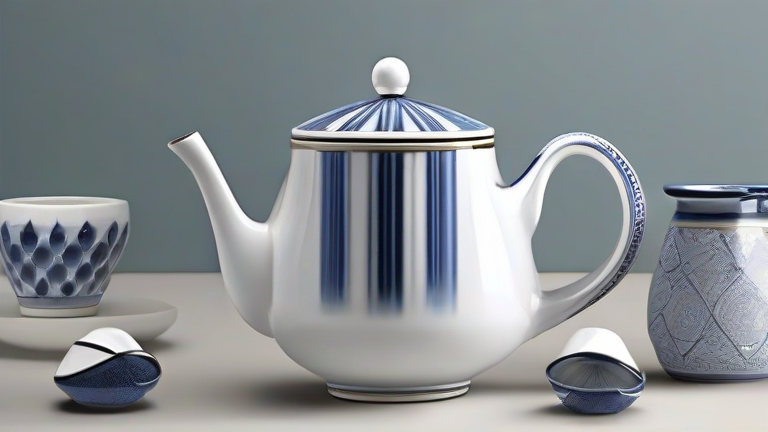
TL;DR: The global market for porcelain teapots and sets is expanding due to rising demand for aesthetic home decor and sustainable living. Buyers should prioritize manufacturers offering consistent quality control and customizable designs to maximize profit margins in the competitive retail landscape.
Market Analysis and Growth Trends
The porcelain tableware sector is experiencing a robust resurgence, driven by a cultural shift towards mindful consumption and the “slow living” trend. According to recent industry reports, the market for ceramic and porcelain kitchenware is projected to grow at a compound annual growth rate of 4.5% over the next five years. This growth is not merely about utility; it is deeply rooted in the aesthetic value of porcelain. Consumers are increasingly willing to pay a premium for items that elevate the ritual of tea drinking, viewing the teapot as a centerpiece for hospitality rather than just a functional vessel.
Key drivers include the expansion of the e-commerce channel, which allows niche brands to reach global audiences without the overhead of physical retail locations. Furthermore, the rise of social media platforms like Instagram and Pinterest has turned porcelain sets into highly shareable content, creating organic marketing opportunities. Brands that leverage this visual appeal by highlighting the translucency, glaze quality, and artisanal craftsmanship of their products are seeing significant engagement. The market is segmented into luxury, mid-range, and budget tiers, but the mid-to-high segment is currently the most profitable due to its balance of accessibility and perceived exclusivity.
Strategic Insights for Buyers and Manufacturers
Success in this niche requires a dual focus on supply chain reliability and brand storytelling. For businesses sourcing porcelain teapots, establishing long-term partnerships with manufacturers who can guarantee consistent kiln firing temperatures and glaze application is critical. Inconsistencies in color or structural integrity lead to high return rates and damaged reputations. Strategy insights suggest that differentiation should come from unique design collaborations or sustainable material sourcing, such as using eco-friendly glazes.
Moreover, packaging plays a pivotal role in the unboxing experience. Since porcelain is fragile, robust packaging is not just a logistical necessity but a brand differentiator. Luxury unboxing experiences, including tissue paper, branded boxes, and care guides, enhance perceived value. Digital marketing strategies should focus on educational content that teaches buyers how to care for porcelain, thereby reducing breakage and fostering brand loyalty. Cross-selling accessories like matching cups and saucers can increase average order values significantly.
Case Studies: Success in the Niche
Consider “Lumina Ceramics,” a mid-sized brand that pivoted from mass production to limited-edition artist collaborations. By partnering with contemporary ceramicists, they created exclusive porcelain sets that sold out within hours of launch. This strategy allowed them to command a 30% price premium over standard designs. Their success hinged on scarcity and storytelling, effectively transforming a commodity into a collectible.
Conversely, “GreenLeaf Tea Co.” focused on sustainability. They marketed their porcelain sets as being made from 100% recycled clay and lead-free glazes. This appealed to the environmentally conscious demographic, resulting in a 20% increase in customer retention. Both cases illustrate that while product quality is the baseline, the narrative surrounding the product determines market positioning and profitability. Understanding these dynamics allows businesses to navigate the complexities of the porcelain market with confidence and clarity.
FAQ
Q: What is the primary advantage of porcelain over other materials for teapots?
A: Porcelain offers superior heat retention and a non-porous surface that prevents flavor absorption, ensuring pure tea taste and easy maintenance.
If you want to dig deeper, check out our guide on Elevate Your Home: Timeless Porcelain Teapots & Tea Sets.
Q: How can businesses reduce breakage rates during shipping?
A: Implementing custom-molded foam inserts and double-boxing strategies significantly minimizes transit damage and protects fragile porcelain items.
Q: What is the ideal price point for a mid-range porcelain tea set?
A: The sweet spot is typically between $50 and $150, balancing perceived luxury with accessibility for mainstream consumers.
Leave a Reply