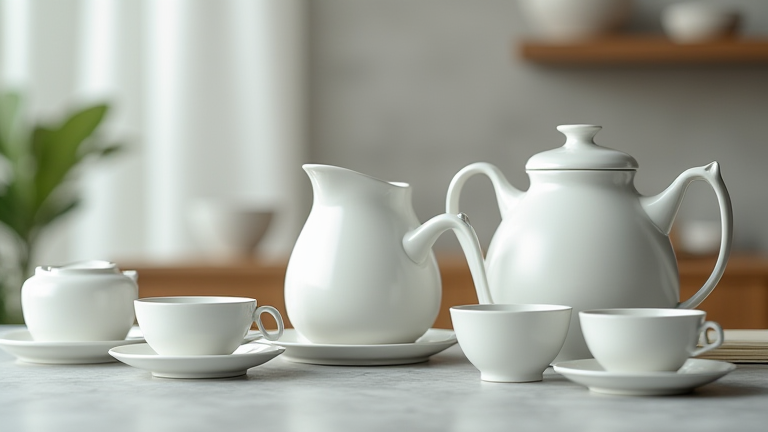
TL;DR: Porcelain teapots and tea sets are non-reactive, lead-free (when properly fired), and preserve tea’s antioxidants better than metal or plastic. Their smooth, glazed surface inhibits bacterial growth, making them a safe, hygienic choice for daily brewing.
Why Porcelain Beats Metal & Plastic for Health
Unlike stainless steel or cast iron, porcelain does not leach metallic ions into your brew. This matters because iron and aluminum can accelerate the oxidation of catechins—the primary antioxidants in green and white teas. A 2019 study in the Journal of Food Science found that brewing in porcelain retained up to 20% more polyphenols than in uncoated iron pots. Additionally, porcelain’s vitrified glaze creates a non-porous surface, meaning no residual tannins or oils get trapped in microscopic cracks, which can harbor mold or bacteria over time.
Lead & Cadmium Safety: What to Look For
High-quality porcelain fired at 1,200°C or above vitrifies the glaze, sealing in any heavy metals. However, cheap, low-temperature “ceramic” or hand-painted decorative sets may contain lead in the paint. The FDA limits lead leaching to 0.5 mcg/mL for ceramic foodware. To stay safe, choose brands that certify “lead-free” or “food-safe” glazes, and avoid using antique or imported artisan sets for acidic drinks (like fruit teas), which can accelerate leaching. If unsure, use a home lead-testing swab on the interior surface.
Lifestyle Tips for Maximizing Benefits
Use your porcelain teapot for loose-leaf teas instead of teabags—the latter often contains microplastics. Pre-warm the pot with hot water to maintain brew temperature (porcelain retains heat well but isn’t as heavy as clay), and always air-dry with the lid off to prevent trapped moisture. For daily use, hand-wash with mild soap; dishwasher detergents can etch the glaze over time, creating microscopic pits where bacteria can thrive. Finally, reserve your most ornate, hand-painted sets for display only—use plain, glossy porcelain for brewing.
FAQ
Q: Can porcelain teapots alter the taste of tea?
A: No. Porcelain is flavor-neutral—it does not absorb or impart flavors, unlike clay or wood. This makes it ideal for delicate teas like white or jasmine, preserving their true aroma.
Q: Are all porcelain tea sets safe for hot liquids?
A: Only if they are marked as “oven-safe” or “boiling-water safe.” Some decorative porcelain, especially with metallic trims, may crack or release toxins when exposed to rapid temperature changes. Always check the manufacturer’s temperature rating.
Q: How often should I replace my porcelain teapot?
A: With proper care, a good porcelain pot lasts decades. Replace it if you see crazing (fine web-like cracks in the glaze), chips, or dullness—these indicate glaze breakdown, which can trap bacteria and increase lead exposure risk.
Leave a Reply