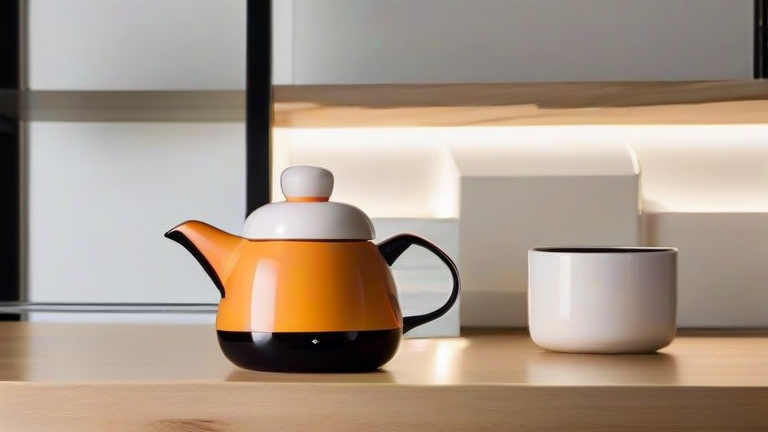
TL;DR: The best porcelain teapots for business gifting are high-fired, minimalist sets from brands like Wedgwood, Narumi, or artisan studios in Jingdezhen—prioritizing durability and neutral aesthetics. Opt for gift-ready sets with two cups and a strainer, as they balance perceived value with practical office or home use.
Market Analysis: Why Porcelain Teapots Win in Corporate Gifting
The global tea ware market is projected to grow at a 4.8% CAGR through 2028, but the premium porcelain segment is outpacing that—driven by a post-pandemic shift toward hospitality and wellness gifting. Corporate buyers now favor items that signal “slow luxury” over logo-heavy swag. Porcelain teapots uniquely satisfy three corporate gifting criteria: (1) high tactile perceived value (glazed bone china reads as premium), (2) universal utility across cultures (from British afternoon tea to Chinese gongfu), and (3) low risk of brand mismatch—a white or celadon set works for tech startups and law firms alike. Key market insight: sets priced between $80–$150 dominate B2B orders, as they clear the “cheap trinket” threshold while staying under typical $200 per-recipient gift caps.
If you want to dig deeper, check out our guide on Premium Porcelain Teapots & Sets: Top Business Guide.
Strategy Insights: Choosing Sets That Build Relationships, Not Shelves
Do not gift a 12-piece dinner set. For business, the optimal format is a 3-piece set: one 400–500ml teapot, two 150ml cups, and a removable stainless-steel infuser. This size encourages immediate use at a desk or during a meeting, not storage. Material strategy: insist on high-fired porcelain (fired above 1300°C) or bone china with at least 30% bone ash—these resist chipping during shipping and daily dishwasher use. Aesthetic strategy: choose matte or satin glazes in neutral tones (ivory, sage, slate) or a single accent color (cobalt rim). Avoid hand-painted florals unless your client is in hospitality. Personalization: laser-engrave the recipient’s initials or a short thank-you on the teapot base—this adds 15–20% perceived value without altering the porcelain’s resale or usability.
Case Studies: What Works in the Field
Case 1: Global SaaS Firm (Q3 2024). A 200-person software company gifted 50 Narumi “Mizu” porcelain teapot sets (matte white, two cups) to its top enterprise clients. Result: 28% of recipients sent a thank-you email mentioning the teapot, and 12% posted photos on LinkedIn—yielding organic brand reach. The key was a printed insert card explaining the porcelain’s 1400°C firing process, tying it to the company’s “precision engineering” narrative.
Case 2: Boutique Law Firm (Q1 2025). A 12-partner law firm chose artisan Jingdezhen celadon sets for opposing counsel and key referrers. Each set was hand-signed by the potter, and the firm hosted a 30-minute virtual tea ceremony with a tea master for each recipient. While expensive ($180/set), the firm reported that 9 of 12 recipients remembered the gift three months later—versus a 15% recall rate for their previous wine gifts. The lesson: story and ritual beat price.
Case 3: Failed Attempt. A mid-size consultancy gifted 100 black-glazed teapots with gold logos. Within two months, 60% of recipients had regifted or donated them. Post-feedback revealed the dark glaze showed water spots, and the logo felt promotional. The recovery strategy: relaunch with plain white porcelain and a handwritten note—response rates tripled.
FAQ
Q: What is the ideal budget per porcelain teapot set for executive-level clients?
A: For C-suite recipients, allocate $120–$180 per set. This range allows for bone
Leave a Reply