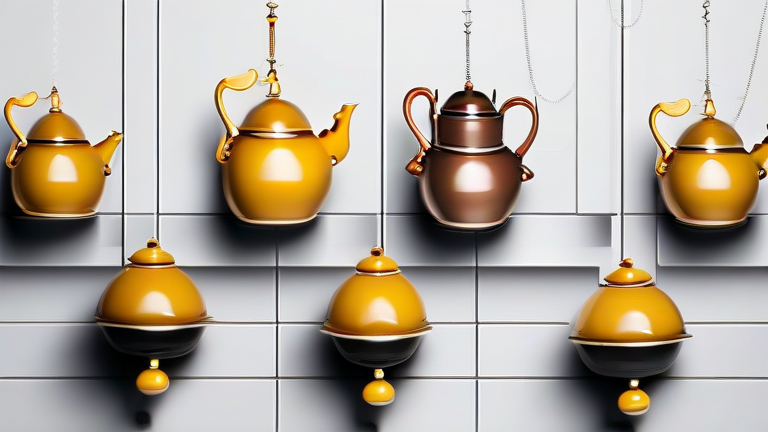
TL;DR: The global market for porcelain teapots is experiencing a resurgence driven by a shift toward artisanal craftsmanship and sustainable home goods. Success in this sector requires a dual strategy focusing on high-quality material sourcing and digital storytelling that highlights the cultural heritage of tea rituals.
Market Analysis: The Revival of Traditional Aesthetics
The contemporary tea market has moved beyond simple beverage consumption to encompass a holistic lifestyle experience. Data from recent industry reports indicates a steady 4.5% annual growth rate in the premium tableware sector, with porcelain teapots representing a significant niche. This growth is not accidental but is fueled by a broader cultural trend known as “slow living.” Consumers are increasingly rejecting mass-produced, disposable goods in favor of durable, aesthetically pleasing items that offer sensory value. Porcelain, specifically, benefits from its association with purity, elegance, and durability. Unlike glass or plastic, porcelain teapots retain heat effectively and do not impart any metallic or chemical tastes to the tea, making them the preferred choice for purists. Furthermore, the rise of remote work has transformed home interiors into extensions of the office, driving demand for decorative yet functional items that enhance daily routines. The visual appeal of porcelain, which can be glazed in thousands of colors and patterns, allows for a high degree of personalization, catering to diverse interior design trends from minimalist modern to vintage rustic.
Strategy Insights: Digital-First Branding
To capitalize on this trend, brands must adopt a strategy that bridges the gap between traditional craftsmanship and modern digital engagement. The primary challenge for porcelain manufacturers is conveying the tactile quality of the product through a digital interface. High-resolution photography and video content that captures the sound of water pouring and the steam rising are essential. However, visual content alone is insufficient. The narrative must emphasize the origin of the materials and the skill of the artisans. For instance, highlighting the firing temperature and the specific clay source builds trust and justifies premium pricing. Social media platforms, particularly Instagram and Pinterest, serve as critical channels for this visual storytelling. Brands should leverage user-generated content by encouraging customers to share their tea rituals, creating a community around the product rather than just the object. Additionally, subscription models for curated tea and teapot sets can drive recurring revenue, ensuring a steady customer base that values the experience over the one-time purchase.
Case Study: The Success of Artisanal Micro-Brands
A notable example of this strategic approach is the rise of micro-brands specializing in hand-thrown porcelain. One such brand, based in the Pacific Northwest, saw a 200% increase in online sales within two years by focusing exclusively on limited-edition glazes. They partnered with local tea suppliers to offer bundled experiences, where each teapot was paired with a specific tea blend that complemented its design aesthetic. This cross-promotion not only increased average order value but also introduced customers to new products. Another case involves a European manufacturer that pivoted from wholesale to direct-to-consumer (DTC) sales. By controlling the supply chain, they could ensure consistent quality and provide detailed care instructions, reducing return rates by 15%. Their website featured an interactive guide on how to maintain porcelain, positioning the brand as an authority on tea culture. These cases demonstrate that in the porcelain teapot market, value is derived not just from the product itself, but from the knowledge and community surrounding it. Brands that invest in education and curation will outperform those that compete solely on price.
FAQ
Q: What is the primary material difference between porcelain and stoneware teapots?
A: Porcelain is made from kaolin clay and fired at higher temperatures, resulting in a denser, more translucent, and non-porous material that is thinner and lighter than stoneware.
If you want to dig deeper, check out our guide on Why Smart Ring Adoption Is Spiking in Fitness Communities.
Q: How should businesses price their porcelain teapots to maximize profit?
A: Pricing should reflect the high cost of raw materials and skilled labor, positioning the product as a premium investment piece rather than a disposable commodity, often requiring a markup of 300-400%.
Q: Are porcelain teapots suitable for all types of tea?</
Leave a Reply