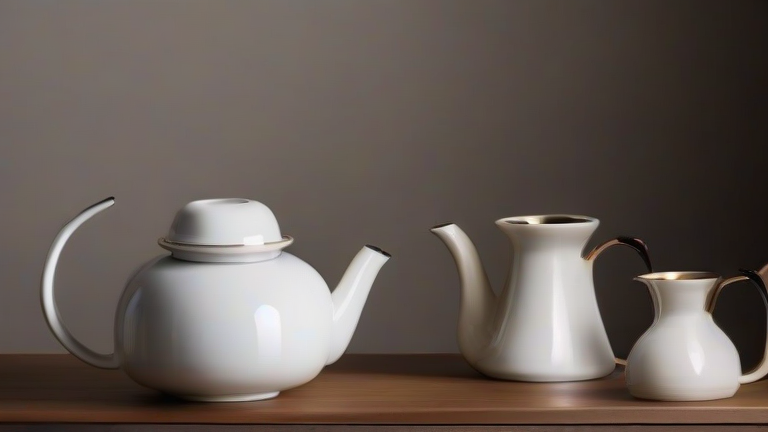
TL;DR: A timeless porcelain teapot transforms daily tea drinking into a mindful pause, blending artistry with function for a richer sensory experience. Investing in a quality set elevates both the flavor and the ritual, turning a quick cup into a personal ceremony.
The Art of the Slow Pour
In a world of hurried mornings and disposable cups, the porcelain teapot is a quiet rebellion. It asks nothing of you but presence. Unlike steel or glass, porcelain retains heat evenly, allowing leaves to unfurl at their own pace, releasing nuanced notes that a microwave mug simply cannot coax out. The material itself—fired at high temperatures, often with a translucent, eggshell finish—is a study in patience. Holding a warm, hand-painted pot connects you to centuries of craft, from Chinese Song dynasty kilns to English afternoon tea tables.
If you want to dig deeper, check out our guide on 7 Health Benefits of Drinking Tea from a Porcelain Teapot.
Why Porcelain, Not Just Any Ceramic?
Porcelain’s non-porous surface means it won’t absorb or transfer flavors between infusions—your oolong won’t taste like last week’s Earl Grey. Its vitrified body is also more durable than earthenware, resisting cracks from boiling water. But the true magic lies in its acoustic and tactile response: the crisp “ping” when you tap the lid, the smooth, cool rim against your lips. A well-made set—a pot, two cups, and a small tray—becomes a portable anchor. Travel with it, and your hotel room transforms into a tea house; host a friend, and conversation slows to match the pour.
Building Your Ritual: From Brew to Breath
Start with a classic 300–400 ml pot for solo sessions or a larger 900 ml set for gatherings. Look for a fine mesh infuser (or rely on the pot’s built-in strainer holes) and a spout that drips cleanly—no trailing tears across the tablecloth. Choose glazes that speak to you: celadon green, cobalt blue, or plain ivory with a single brushstroke. Pre-warm the pot with hot water, add leaves, then pour in water just off the boil (170–185°F for green, 200–212°F for black). Wait, but not idly—breathe in the steam, watch the color deepen. This is not a task; it is a meditation on temperature, time, and taste.
Travel, Culture, and the Shared Table
Carry a small porcelain gaiwan or a two-cup set in your luggage. In Kyoto, a porcelain cup makes matcha feel grounded; in a Parisian flat, it turns a baguette breakfast into a ceremony. The set becomes a souvenir of your own making—not bought, but lived. When you host a dinner, a teapot at the center signals unhurried generosity. Guests pour for each other, passing the pot with both hands, a subtle gesture of respect borrowed from Japanese and Chinese tea customs. This small act lowers shoulders and opens dialogue.
Care That Honors the Craft
Hand-wash with mild soap; avoid abrasive sponges. Never microwave—porcelain can overheat and crack. Store with the lid slightly ajar to prevent musty smells. If a stain appears, a teaspoon of baking soda and warm water will lift it without scratching. Over time, your pot develops a slight patina—not a flaw, but a diary of brews. That is the soul of the ritual: not perfect, but deeply yours.
FAQ
Q: Is porcelain better than clay for tea flavor?
A: For delicate teas (green, white, floral), porcelain is neutral and preserves subtle aromas; for heavy pu-erh or oolong, unglazed clay is better. Porcelain is the safest all-around choice for mixed drinkers.
Q: How do I choose a teapot size for two people?
A: A 500–600 ml pot pours roughly two full cups (about 250 ml each). For solo use, a 300 ml pot
Leave a Reply