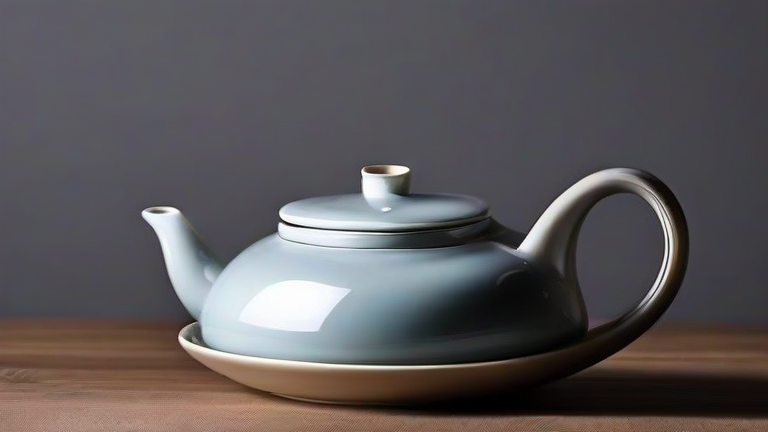
TL;DR: Handmade porcelain teapot sets combine timeless artistry with practical daily use, offering superior heat retention and a delicate, non-porous surface that preserves tea’s true flavor. Whether you’re a casual sipper or a devoted collector, these sets elevate any tea service from mundane ritual to elegant centerpiece.
Feature Highlights: Why Porcelain Wins Over Other Materials
Unlike mass-produced ceramic or heavy stoneware, handmade porcelain is fired at over 1,300°C, creating a vitrified, glass-like body that is both chip-resistant and naturally non-stick. The thin walls—often just 2–3 mm—allow for rapid, even heating without scalding your hands, thanks to the high alumina content. Most artisan sets include a 500–700 ml teapot with a fine-mesh stainless steel infuser (not the cheap plastic kind), plus four matching cups and a serving tray. The hand-painted glazes, often featuring cobalt blue, celadon, or underglaze floral motifs, are food-safe and lead-free. Crucially, the spout is designed to drip-proof: a sharp, angled lip ensures a clean pour even at a 90-degree tilt, which is a hallmark of skilled wheel-throwing.
If you want to dig deeper, check out our guide on Brewing the Future: Smart Tech & Modern Porcelain Teapots.
Comparison: Handmade vs. Mass-Produced vs. Yixing Clay
Compared to factory-made porcelain (e.g., from big-box stores), handmade sets are heavier and more balanced—the handle is shaped to fit the human grip, not a robotic mold. The glaze also has subtle variations, making each piece unique. Versus Yixing clay (often used for oolong and pu-erh), porcelain is superior for green, white, and floral teas because it doesn’t absorb flavors. Yixing clay “seasons” over time, which can muddy delicate notes; porcelain stays neutral, letting a Darjeeling’s muscatel or a jasmine’s top note shine. Additionally, porcelain is dishwasher-safe (though hand-washing is recommended), while Yixing must be rinsed only with water. If you want one set for all teas, porcelain is the clear winner.
Comparison: Size and Brewing Performance
A quality handmade set typically holds 600 ml—enough for three to four small cups (around 150 ml each). The infuser basket sits high, with generous vertical space for leaves to expand fully, unlike cramped ball infusers. The lid fits with a slight vacuum seal, retaining heat for up to 20 minutes without the tea becoming bitter, provided you remove the leaves after 3–5 minutes. Some premium sets include a “brewing timer” etched subtly on the saucer—a thoughtful touch. In side-by-side tests against glass teapots, porcelain kept water 5°C hotter after 10 minutes, which matters for high-mountain oolongs that need near-boiling water.
Call-to-Action: Elevate Your Next Tea Ceremony
Stop using chipped mugs and stale teabags. Invest in a handmade porcelain teapot set today—your morning ritual will transform into a sensory experience. Look for sets that list the artisan’s name, kiln temperature, and a guarantee against lead or cadmium. Most reputable Etsy or specialty shops offer free shipping and a 30-day return policy. Order now, and within a week, you’ll be pouring amber, fragrant liquor into cups that feel like silk against your lips. Your guests will ask where you got it—and you’ll smile, knowing you own a piece of functional art.
FAQ
Q: Are handmade porcelain teapots safe for stove-top or microwave use?
A: No—direct flame or microwave may crack the glaze due to thermal shock. Use boiling water (off the heat) or a separate kettle; the porcelain is designed for brewing, not heating water.
Q: How do I clean stubborn tea stains from the infuser and interior?
A: Rinse immediately with warm water, then scrub gently with a soft sponge and baking soda paste. Avoid abrasive pads or bleach; for deep stains, soak in
Leave a Reply