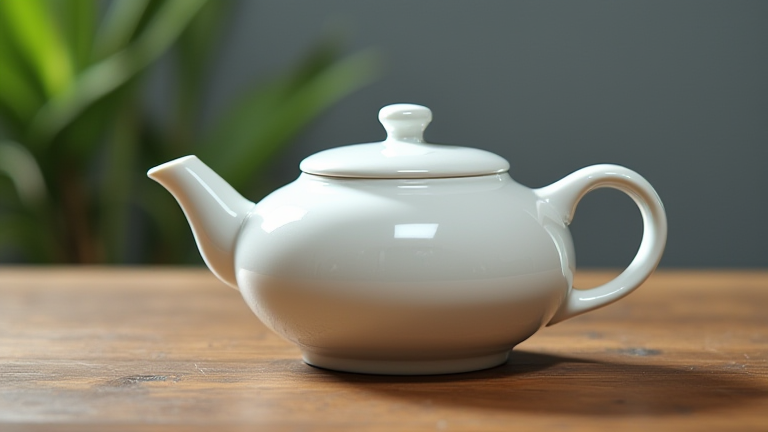
TL;DR: Choose a porcelain teapot with a snug-fitting lid and a smooth, unglazed interior for best flavor. Brew with just-off-boiling water (175–185°F) for delicate teas, and hand-wash only to preserve the glaze and avoid cracks.
1. Choosing the Right Porcelain Teapot
Look for high-fired porcelain (vitrified) that rings like a bell when tapped—this ensures non-porosity, meaning it won’t absorb flavors or odors. For solo use, pick a 12–16 oz pot; for gatherings, 30–40 oz. Check the spout: it should be free of interior drips or rough edges, and the lid must fit without wobbling. A side-handle design is safer for pouring, while a top handle suits smaller pots. Avoid pots with metallic paints or gold rims if you plan to microwave or use a dishwasher—these will degrade.
If you want to dig deeper, check out our guide on Luxury Porcelain Teapots: Elevate Your Tea Time.
2. Brewing the Perfect Cup
Warm the pot first: swirl hot water inside, then discard. This prevents thermal shock and keeps your tea hot longer. Add loose-leaf tea—about 1 teaspoon per 6 oz of water, or 1.5 teaspoons for oolong. For green or white tea, heat water to 175°F (just before a full boil); for black or herbal, use 200–212°F. Pour water over the leaves, cover, and steep: 2–3 minutes for green, 3–5 for black, 5–7 for herbal. Porcelain retains heat well, so remove leaves promptly to avoid bitterness. Pour all the tea out after steeping—do not let it sit on the leaves.
3. Caring for Your Porcelain Teapot
Hand-wash only with mild dish soap and a soft sponge. Never use abrasive scrubbers—they scratch the glaze, creating hiding spots for stains and bacteria. Rinse thoroughly with warm water, then air-dry upside down with the lid off. Avoid sudden temperature changes: never place a cold pot on a hot stove or pour boiling water into a chilled pot. For stubborn tea stains, fill with warm water and a teaspoon of baking soda, let sit for 30 minutes, then rinse. Do not use bleach. Store with the lid slightly ajar to prevent musty odors and to avoid the lid sticking to the body if any moisture remains.
4. Pro Tips for Longevity
Use a tea strainer if your pot lacks a built-in filter—loose leaves can clog the spout. If you brew multiple infusions (like oolong), increase steeping time by 15 seconds each round. Never stack porcelain teapots without soft cloth separators, as rims and spouts chip easily. Finally, invest in a matching porcelain tea cup set—the same material ensures even heat distribution and a cohesive tasting experience.
FAQ
Q: Can I use a porcelain teapot on a stove or in a microwave?
A: No, unless explicitly labeled as stove-safe or microwave-safe. Most porcelain teapots are decorative or for brewing only—direct heat will cause cracking.
Q: Why does my porcelain teapot develop tiny cracks after a few months?
A: This is likely thermal shock from pouring boiling water into a cold pot, or from placing it near a heat source. Always pre-warm with hot tap water first, and never leave it on a cold countertop while filled with hot tea.
Q: How do I remove dark tea stains from the inside of my porcelain teapot?
A: Fill with warm water, add 1 tablespoon of white vinegar and 1 tablespoon of baking soda, let sit for 2 hours, then gently scrub with a soft cloth. Rinse well—never use bleach or metal brushes.
Leave a Reply