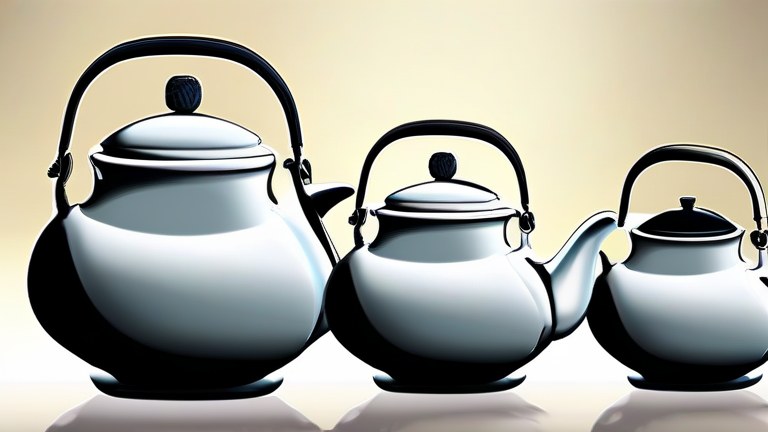
TL;DR: Porcelain teapots are a safe, non-porous option for brewing tea, ensuring that no chemical leaching or flavor contamination occurs during the heating process. Choosing high-quality, lead-free porcelain guarantees a pure drinking experience without the health risks associated with lower-grade ceramics or unglazed clay.
The Material Science of Safety
When selecting a teapot, material integrity is paramount for health-conscious consumers. Unlike unglazed stoneware or clay, which can absorb water and harbor bacteria over time, porcelain is fired at extremely high temperatures. This process creates a dense, non-porous surface that does not retain odors or flavors from previous brews. This characteristic is crucial for maintaining the purity of your tea, whether you are brewing delicate green teas or robust black blends. Furthermore, the chemical stability of porcelain means it does not react with acidic compounds found in certain teas, preventing any metallic or off-flavors from developing in your cup.
If you want to dig deeper, check out our guide on The Art of Tea: Styling Porcelain Teapots for Modern Homes.
Lead and Cadmium: What to Look For
One of the most significant health concerns regarding ceramic cookware is the potential presence of heavy metals like lead and cadmium, often found in colorful glazes. Reputable porcelain tea sets are rigorously tested to ensure they are lead-free and cadmium-free. When shopping, always look for certifications or explicit labels stating “lead-free” and “food-safe.” High-end porcelain brands adhere to strict safety standards, ensuring that even if the pot is decorated with intricate patterns, the glaze remains inert and safe for daily use. Avoid purchasing inexpensive, unbranded ceramics that lack clear safety documentation, as these may pose a risk of heavy metal leaching into hot beverages over repeated use.
Maintenance for Long-Term Purity
To maintain the hygiene and longevity of your porcelain teapot, proper care is essential. Because porcelain is non-porous, it is relatively easy to clean, but it is still susceptible to staining from tannins. Rinse the pot immediately after use with warm water to prevent tea residue from setting. For deeper cleaning, use a mild, unscented detergent and a soft sponge to avoid scratching the glaze. Avoid using abrasive cleaners or acidic substances like vinegar for prolonged periods, as these can degrade the glaze over time. Regularly inspect the rim and lid for any chips or cracks, as these imperfections can compromise the structural integrity and potentially harbor bacteria. By following these simple maintenance steps, you ensure that your porcelain teapot remains a safe and hygienic vessel for years to come, preserving the true taste and health benefits of your tea.
FAQ
Q: Is porcelain better than ceramic for health?
A: Yes, porcelain is generally denser and less porous than standard ceramic, making it more hygienic and less likely to absorb moisture or harbor bacteria.
Q: Can I use a porcelain teapot for herbal infusions?
A: Absolutely, porcelain is inert and safe for all types of tea, including herbal infusions, without altering the flavor or releasing harmful chemicals.
Q: How do I know if my teapot is lead-free?
A: Look for explicit “lead-free” labeling from reputable manufacturers and check for compliance with local food safety standards such as FDA or EU regulations.
Leave a Reply