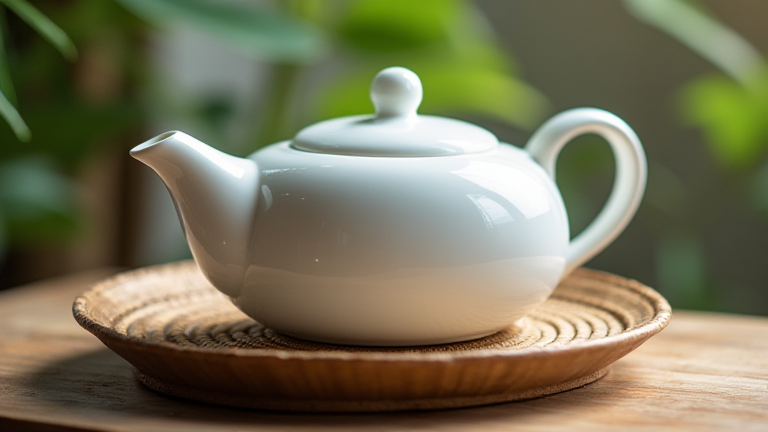
TL;DR: Porcelain teapots offer the optimal balance of heat retention and thermal stability, ensuring your tea is brewed at the precise temperature for maximum flavor extraction without scalding. Their non-porous, inert surface prevents flavor absorption and chemical leaching, making them the safest choice for daily consumption.
The Chemistry of Safe Brewing
When selecting a vessel for your daily ritual, material science plays a critical role in both taste and health. Unlike earthenware or glazed ceramics, high-quality porcelain is fired at extremely high temperatures, resulting in a dense, vitrified structure. This density means the material is virtually non-porous. Consequently, it does not absorb tannins, oils, or aromatic compounds from your tea leaves. This is crucial for health because it eliminates the risk of cross-contamination between different teas, preserving the integrity of your beverage. Furthermore, reputable porcelain manufacturers adhere to strict safety standards, ensuring that the glaze is lead-free and cadmium-free. This inert nature means that no heavy metals or harmful substances leach into your hot water, providing a clean, pure cup every single time.
If you want to dig deeper, check out our guide on Best Budget Tech Gadget Gifts Under $50.
Thermal Precision and Flavor Integrity
One of the most significant scientific advantages of porcelain is its thermal conductivity. Porcelain heats and cools more slowly than glass but retains heat better than thin metal. This property allows for a stable brewing environment. For delicate green teas, which require lower temperatures to avoid bitterness, porcelain prevents the water from becoming too hot too quickly. Conversely, for robust black teas that need near-boiling water, the pot maintains the necessary heat throughout the steeping process. This thermal consistency ensures that the polyphenols and amino acids in the tea leaves are extracted efficiently. Science suggests that proper temperature control maximizes the release of antioxidants like catechins and theanine, which are linked to reduced inflammation and improved cognitive function. By using a porcelain teapot, you are not just choosing an aesthetic; you are optimizing the biological benefits of your daily brew.
Lifestyle Tips for Longevity
To maintain the hygiene and performance of your porcelain tea set, proper care is essential. Avoid sudden temperature shocks, such as placing a cold pot in boiling water, as this can cause microscopic cracks that compromise the glaze. Instead, pre-warm your pot with hot water before brewing. This simple step protects the material and enhances the brewing experience. After use, rinse the pot with warm water and allow it to air dry completely. This prevents moisture buildup, which can lead to mold or mildew, particularly in the spout or lid mechanisms. Regularly inspect the glaze for any chips or cracks. If you notice any damage, discontinue use, as compromised glazes can harbor bacteria or leach unwanted substances. By treating your porcelain teapot with care, you ensure it remains a safe, hygienic, and beautiful companion for your wellness journey.
FAQ
Q: Is porcelain safe for acidic teas?
A: Yes, high-fired porcelain is chemically inert and stable, meaning it will not react with the acids in citrus or herbal infusions, ensuring your drink remains pure and safe.
Q: Does porcelain retain flavors from previous brews?
A: No, because porcelain is non-porous, it does not absorb oils or aromatic compounds, making it ideal for switching between different types of tea without flavor contamination.
Q: How should I clean a porcelain teapot?
A: Use warm water and a soft sponge to clean the interior and exterior; avoid abrasive scrubbers or harsh chemicals that could damage the glaze, and always allow the pot to air dry completely.
Leave a Reply