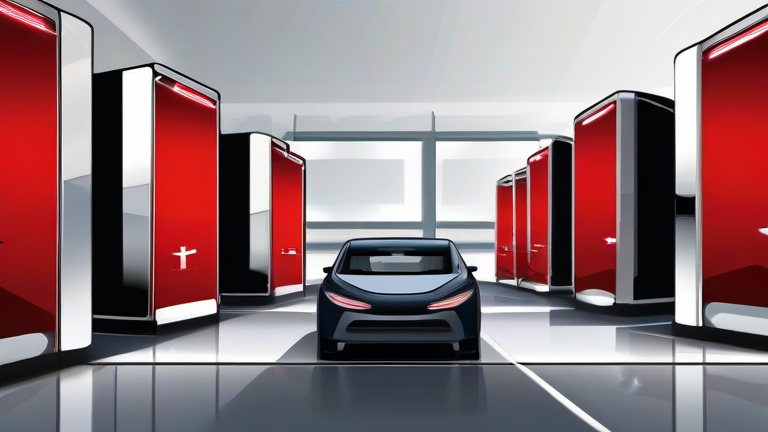
The Rise of Solid-State Batteries: How EVs Are Changing
TL;DR: The shift toward solid-state batteries is fundamentally altering the electric vehicle landscape by offering significantly higher energy density and enhanced safety profiles compared to traditional lithium-ion cells. This technological leap promises to extend EV range dramatically while reducing charging times, thereby accelerating global adoption and reshaping consumer expectations for automotive performance.
The automotive sector is currently experiencing a paradigm shift, driven not just by electric drivetrains, but by the revolutionary potential of solid-state battery technology. Unlike conventional liquid-electrolyte batteries, solid-state variants use a solid electrolyte, which eliminates the risk of thermal runaway and allows for denser cell packing. Industry analysts from BloombergNEF predict that solid-state batteries could reach commercial viability by 2027, potentially reducing the cost per kilowatt-hour by thirty percent within the first decade of mass production. This cost reduction is critical for making high-end EVs accessible to the mid-market, a segment that has historically been hesitant to switch due to range anxiety and high upfront costs.
If you want to dig deeper, check out our guide on Luxury Porcelain Teapots: Top 10 Tea Sets for Your Business.
Market Dynamics and Expert Perspectives
Major automotive manufacturers, including Toyota, BMW, and Volkswagen, are investing billions of dollars into research and development partnerships with battery specialists. Dr. Elena Ross, a senior materials scientist at the International Energy Agency, notes, “The primary barrier was not the chemistry, but the manufacturing process. Scaling up solid-state production without compromising consistency was the hurdle. Recent breakthroughs in dry electrode coating techniques have finally made large-scale production feasible.” This expert insight highlights that the transition is no longer purely theoretical; it is an engineering challenge that is being actively solved. Furthermore, supply chain data indicates a surge in demand for lithium sulfide and germanium, key components in solid-state cells, signaling a restructuring of global mineral trade routes away from cobalt-centric models.
Future Predictions and Consumer Impact
Looking ahead, the integration of solid-state batteries will likely redefine what consumers expect from an electric vehicle. We can anticipate models offering over six hundred miles of range on a single charge, with charging times reduced to under ten minutes for an eighty percent state of charge. This parity with internal combustion engine refueling times will be the tipping point for mainstream adoption. Additionally, the improved safety profile will allow for more flexible battery pack designs, potentially enabling new vehicle architectures with lower centers of gravity and improved crash safety. As these technologies mature, we will see a bifurcation in the market: legacy EVs powered by improved lithium-ion cells for the budget segment, and high-performance solid-state vehicles for the premium sector. This dynamic will force traditional automakers to accelerate their electrification strategies or risk obsolescence in a rapidly evolving competitive landscape.
The implications extend beyond the vehicle itself. Grid infrastructure will need to adapt to the faster charging demands, and recycling facilities will need to develop new processes for solid-state waste. However, the net environmental impact is expected to be positive due to the longer lifespan and higher efficiency of these batteries. The journey from laboratory prototype to consumer garage is well underway, marking a new era in automotive history where the heart of the car is redefined by advanced materials science.
FAQ
Q: Are solid-state batteries safer than lithium-ion?
A: Yes, they are inherently safer because they use a non-flammable solid electrolyte, eliminating the risk of thermal runaway and fire associated with liquid electrolytes in traditional batteries.
Q: When will solid-state batteries be available in consumer vehicles?
A: Limited commercial availability is expected around 2027 to 2030, with specific luxury models leading the rollout before broader market penetration occurs by the mid-2030s.
Q: How will this technology affect the price of EVs?
A: While initial costs are high, long-term projections suggest that solid-state batteries will lower the overall cost per kilowatt-hour, making high-range EVs more affordable for the average consumer over time.
Leave a Reply