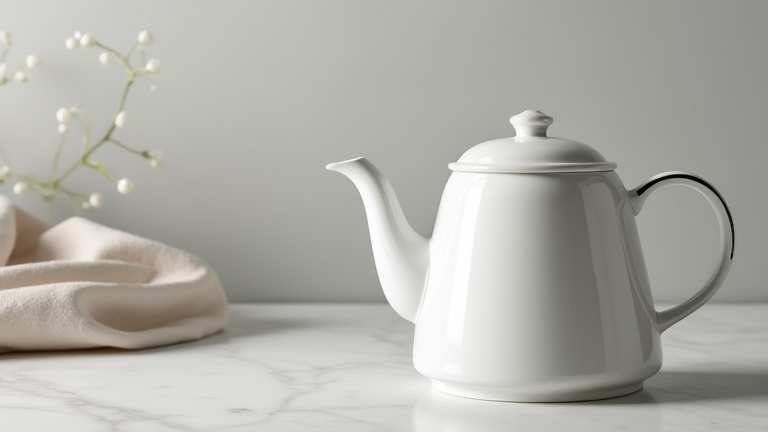
TL;DR: Clean porcelain teapots immediately after use with warm, soapy water to prevent stain absorption and odor buildup. Avoid abrasive scrubbers and harsh chemicals to preserve the delicate glaze and maintain the pot’s aesthetic longevity.
Initial Daily Cleaning Protocol
Proper maintenance begins the moment you finish your brew. Never allow tea residue to dry inside the vessel, as tannins can permanently etch into microscopic pores in the ceramic if left unattended. Disassemble the teapot by removing the lid, infuser, and any strainer components. Fill each part with warm water, not boiling, to prevent thermal shock which can crack thin-walled porcelain. Add a small drop of mild, unscented dish soap. Use a soft, non-scratch sponge or a dedicated teapot brush to gently scrub the interior walls, the bottom, and the underside of the lid. Pay special attention to the spout tip and the drainage holes of the infuser, where dried leaf fragments often lodge. Rinse thoroughly under running water until all soap residue is gone. Soap left behind can alter the taste of future brews, introducing a soapy aftertaste that compromises the purity of your tea. Ensure all parts are completely dry before reassembly to prevent the formation of mineral deposits or mold in humid environments.
If you want to dig deeper, check out our guide on Elevate Your Home: Stylish Porcelain Teapots & Tea Sets.
Deep Cleaning and Stain Removal
Despite diligent daily care, some teas, particularly strong blacks or oolongs, may leave faint discoloration. For these instances, create a paste using baking soda and a small amount of water. Apply this paste to the stained areas and let it sit for no more than ten minutes. Baking soda is a mild abrasive that lifts stains without damaging the glossy porcelain surface. Scrub gently with a soft cloth and rinse immediately. For persistent odors, such as those caused by strong pu-erh or smoky lapsangs, soak the disassembled parts in a solution of equal parts white vinegar and water for thirty minutes. The acetic acid neutralizes alkaline tea compounds that cause lingering smells. After soaking, rinse the parts multiple times to remove the vinegar taste. Avoid using bleach or ammonia-based cleaners, as these chemicals can react with the glaze, potentially causing it to crack or become discolored over time. If your teapot has decorative gold or silver accents, ensure these areas are not exposed to acidic solutions like vinegar for extended periods, as this can tarnish or strip the metallic finish.
Drying and Storage Best Practices
After cleaning, air dry all components completely. Place the teapot upside down on a drying rack to allow gravity to drain any remaining moisture from the interior. Do not cover the pot while it is still damp, as trapped moisture creates a breeding ground for bacteria and mildew. Once fully dry, store the teapot in a clean, dry cabinet. If you plan to store the teapot for an extended period, ensure it is completely empty and free from any residual moisture. For porcelain tea sets that include matching cups and saucers, wash these items alongside the pot to maintain uniform cleanliness. Handle the teapot with care, as porcelain, while durable, is susceptible to chipping if dropped. Use a soft cloth when handling the spout and handle to prevent accidental knocks against hard surfaces. Regular inspection of the glaze for any hairline cracks is recommended. If a crack appears, stop using the teapot immediately, as it can leak scalding hot water and pose a burn hazard. Proper care ensures that your porcelain teapot remains a beautiful and functional piece of kitchenware for decades.
FAQ
Q: Can I use a dishwasher for my porcelain teapot?
A: It is generally recommended to hand wash porcelain teapots to avoid the risk of thermal shock from high-temperature cycles and to protect delicate glazes or metallic accents from harsh detergents.
Q: How do I remove strong, lingering tea odors from the spout?
A: Disassemble the spout if possible, or soak the entire pot in a mixture of water and a small amount of baking soda for several hours, then rinse thoroughly to neutralize the scent
Leave a Reply