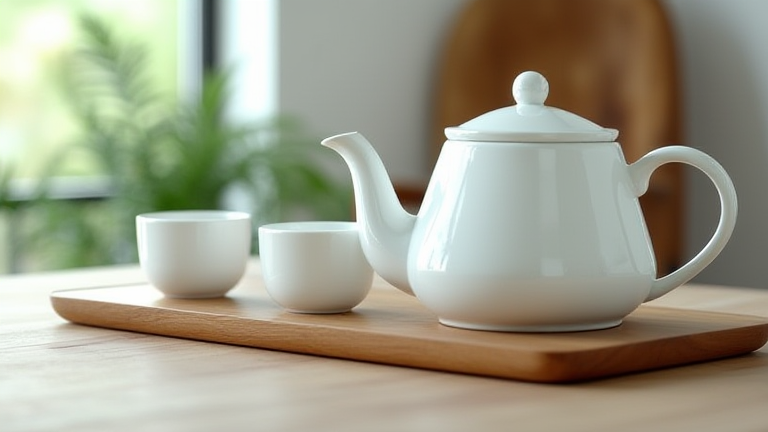
Healthy Porcelain Teapots: Benefits & Safe Tea Sets
TL;DR: Porcelain teapots are the safest choice for tea enthusiasts because their non-porous, glazed surface prevents chemical leaching and preserves the pure flavor of your brew. Selecting lead-free, high-quality porcelain ensures a hygienic, durable, and aesthetically pleasing experience that supports long-term wellness habits.
The Science of Safety and Purity
In the quest for a healthier lifestyle, the vessel you use to brew your tea is often overlooked. Yet, the material of your teapot plays a critical role in what you consume. Porcelain is widely regarded by health experts as the ideal material for tea brewing. Unlike porous materials such as unglazed clay or lower-grade ceramics, porcelain is fired at extremely high temperatures. This process creates a dense, non-porous structure that does not absorb liquids, odors, or bacteria. This scientific characteristic ensures that your tea retains its intended chemical profile without contamination from previous brews or external residues. Furthermore, reputable porcelain tea sets are manufactured to be lead-free and cadmium-free, eliminating the risk of heavy metal leaching into your hot beverage. Studies on ceramic safety emphasize that the glaze acts as a protective barrier, making porcelain a hygienic and safe choice for daily consumption.
If you want to dig deeper, check out our guide on Why the Quiet Luxury Trend Is Driving Demand for Cashmere.
Flavor Integrity and Thermal Performance
Beyond safety, porcelain excels in preserving the delicate nuances of different tea varieties. Green teas and oolongs are particularly sensitive to temperature and material interaction. Porcelain teapots provide excellent thermal insulation while maintaining a neutral taste profile. Unlike some reactive metals or porous stoneware, porcelain does not impart any off-flavors to the water. This neutrality allows the aromatic compounds and polyphenols in the tea leaves to shine through unaltered. For wellness-focused drinkers who rely on tea for its antioxidant properties, ensuring that the vessel does not interfere with the extraction process is crucial. Additionally, the smooth interior of a porcelain teapot makes cleaning effortless, reducing the buildup of tannins and biofilm that can harbor bacteria in less maintainable materials. This ease of maintenance supports a consistent routine, which is key to any sustainable lifestyle habit.
Lifestyle Tips for Choosing and Caring for Your Set
When selecting a porcelain tea set, look for products that explicitly state they are made from high-fire porcelain and are certified food-safe. Avoid cheap imitations that may contain unstable glazes. In terms of lifestyle integration, investing in a durable porcelain set encourages mindfulness in the brewing process. The tactile pleasure of holding a warm, smooth ceramic pot can serve as a moment of pause in a busy day, reducing stress and promoting relaxation. To maintain the integrity of your set, hand wash with mild soap and dry thoroughly. Avoid sudden temperature shocks, such as pouring boiling water into a cold pot, to prevent thermal shock cracks. By choosing a high-quality porcelain teapot, you are not just buying a kitchen utensil; you are investing in a tool that supports purity, flavor, and a calm, healthy daily ritual.
FAQ
Q: Are porcelain teapots better than glass for health?
A: Yes, porcelain is generally preferred because it provides better insulation and does not shatter if dropped, making it safer for daily use while still being non-reactive and non-porous like glass.
Q: How can I tell if my porcelain teapot is safe?
A: Check for a “lead-free” certification label, ensure the glaze is smooth and unchipped, and purchase from reputable brands that adhere to strict food safety standards for ceramic cookware.
Q: Does porcelain affect the taste of green tea?
A: No, porcelain is chemically inert and neutral, meaning it will not absorb or alter the delicate flavors of sensitive teas like green or white tea, preserving their full antioxidant potential.
Leave a Reply