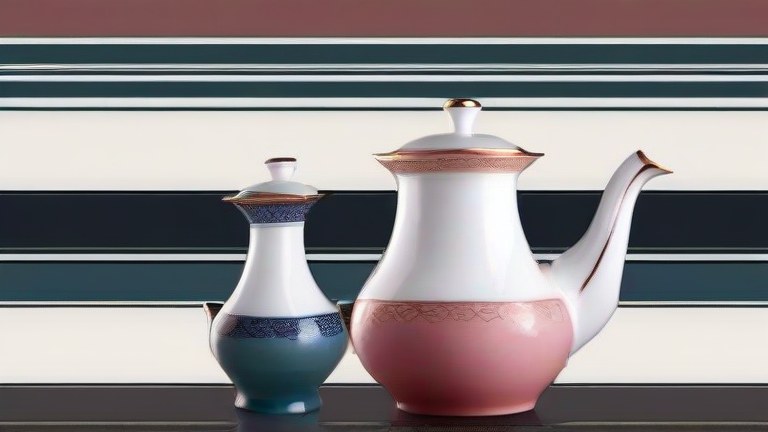
Porcelain Teapot Buying Guide: Complete Tutorial for Beginners
TL;DR: Choose a high-quality porcelain teapot with a secure, well-fitted lid and a comfortable, balanced spout to ensure optimal brewing and safety. Select a capacity that matches your typical tea consumption and prioritize a double-walled design or heat-resistant handle for daily comfort.
Buying your first porcelain teapot can feel overwhelming given the myriad of shapes, sizes, and finishes available. However, porcelain is an excellent choice for beginners because it is non-porous, neutral in taste, and generally more affordable than stoneware or clay. This guide walks you through the essential steps to select the perfect vessel for your tea ritual.
If you want to dig deeper, check out our guide on Oat Milk Lattes: Why This Barista Favorite Is Transforming Y.
Step 1: Assess Your Brewing Needs
Before browsing, determine how much tea you typically brew. A standard serving size for a single person is about 8 to 12 ounces. If you drink tea alone, a 10-ounce teapot is ideal. For couples or small groups, consider a 16 to 20-ounce capacity. Remember that you need enough room for the leaves to expand; overcrowding the pot can result in bitter tea. Additionally, think about the types of tea you prefer. White and green teas require lower temperatures, while black and oolong teas benefit from higher heat retention. Porcelain holds heat reasonably well, but it cools faster than clay, which is actually beneficial for delicate green teas that can scorch if the water is too hot for too long.
Step 2: Evaluate Design and Ergonomics
The shape of the teapot affects how easily you can pour and clean the vessel. Look for a spout that is proportionate to the body and aligned correctly to prevent dripping. A common issue with cheap teapots is a spout that is too short or poorly angled, causing a messy pour. The handle should be comfortable to grip, even when the pot is full and hot. Porcelain handles are usually integrated into the body or attached securely. Check for any rough edges or sharp points where the handle meets the pot. A well-balanced teapot will feel stable when lifted. If the pot feels top-heavy, it may tip over easily, spilling hot tea onto your hands or table.
Step 3: Check the Lid and Seal
The lid is crucial for maintaining the temperature of your tea and keeping leaves contained. Ensure the lid fits snugly into the mouth of the teapot. It should not wobble or rattle, but it also should not be so tight that it is impossible to remove. A loose lid can allow steam to escape, cooling the tea faster and potentially creating a mess if it falls off during pouring. Some teapots have a small knob on top of the lid for easy lifting. Verify that this knob is securely attached. If the lid is part of the spout design, ensure that the mechanism allows for a smooth, controlled flow without clogging. A good seal also helps in retaining aromas, enhancing the overall sensory experience of drinking tea.
Step 4: Inspect Quality and Durability
Porcelain is fragile, so you must inspect the item carefully for any defects. Look for chips, cracks, or uneven glazing. Run your finger over the surface to feel for rough spots. Uneven glazing can harbor bacteria and make the pot difficult to clean. High-quality porcelain is usually thicker and feels heavier, which often correlates with better heat retention. Check the base of the teapot to ensure it is flat and stable. A wobbly base can cause the pot to slide on the table or saucer. If you are buying online, read reviews specifically mentioning durability and heat retention. Look for brands that offer warranties or replacement parts, such as lids, in case of accidental damage.
Step 5: Consider Care and Maintenance
Porcelain is generally dishwasher safe, but hand washing is recommended to preserve the glaze and prevent chipping. Avoid sudden temperature changes, such as pouring boiling water into a cold teapot, as this can cause thermal shock and cracking. Always warm the
Leave a Reply