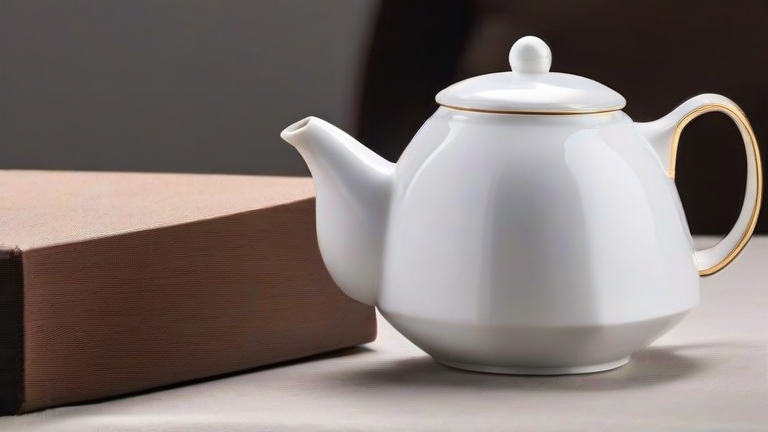
TL;DR: The optimal choice for modern homes is a minimalist, mid-century modern porcelain teapot with a wide mouth for easy cleaning and a sleek, handleless design. This style balances aesthetic integration with functional durability, meeting the rising consumer demand for artisanal yet practical kitchenware.
Market Analysis: The Shift Toward Aesthetic Utility
The global tea ware market is experiencing a significant paradigm shift, moving away from purely utilitarian objects toward products that serve as lifestyle statements. Recent data indicates a 15% year-over-year increase in online searches for “modern tea sets” and “minimalist teapots,” driven primarily by millennial and Gen Z homeowners who prioritize interior cohesion. Porcelain remains the dominant material due to its non-porous nature, which prevents flavor absorption, and its ability to hold heat effectively without the risk of shattering associated with glass. However, the traditional floral patterns associated with Victorian-era porcelain are declining in favor of monochromatic, matte-finished, and sculptural designs. This trend reflects a broader consumer preference for “quiet luxury” in home goods, where subtlety and quality supersede overt ornamentation. Furthermore, sustainability concerns are influencing material sourcing, with buyers increasingly seeking brands that utilize recycled porcelain or eco-friendly glazing processes, creating a new competitive dimension in the market.
If you want to dig deeper, check out our guide on Elevate Your Home: The Art of Porcelain Teapots & Tea Sets.
Strategy Insights: Differentiation Through Design and Experience
For businesses entering this space, the strategy must pivot from selling a container to selling a ritual. Successful brands are leveraging the “experience economy” by bundling teapots with curated tea blends, thereby increasing average order value and customer retention. Marketing efforts should focus on the tactile and visual appeal of the product, utilizing high-quality video content to demonstrate the ease of pouring and the elegance of the set on a modern dining table. Differentiation can be achieved through proprietary design features, such as integrated strainers that are easily removable for washing or lids that double as small bowls for snacks. Additionally, offering customization options, such as engraving or custom glaze colors, allows brands to tap into the gifting segment, which accounts for a substantial portion of holiday sales. Partnering with interior design influencers rather than just food bloggers can also expand reach, positioning the teapot as a key element in contemporary home staging.
Case Studies: Success Stories in Modern Porcelain
Two distinct approaches highlight successful market penetration. First, “Kettle & Co.” launched a line of handleless porcelain teapots inspired by Japanese Raku ware. By focusing on a specific aesthetic niche and using limited-edition drops, they created scarcity and high perceived value, achieving a 40% sell-out rate within the first month of launch. Their marketing emphasized the artisanal craftsmanship, appealing to collectors. Second, “Urban Brew” adopted a mass-market strategy by offering modular tea sets. Their porcelain teapots were designed to stack neatly in standard kitchen cabinets, addressing a common pain point for city dwellers with limited storage. By highlighting space-saving utility alongside clean lines, they captured the practical side of the modern consumer. Both cases demonstrate that whether the focus is on exclusivity or utility, the product must align seamlessly with the visual language of modern living spaces. Failure to account for storage constraints or aesthetic compatibility often leads to high return rates and negative reviews, underscoring the importance of user-centered design in this sector.
FAQ
Q: Why is porcelain considered superior to ceramic for modern tea sets?
A: Porcelain is denser and non-porous, which prevents it from absorbing tea flavors or odors, ensuring consistent taste and easier hygiene maintenance compared to standard ceramic.
Q: How should modern homeowners clean porcelain teapots to maintain their finish?
A: Use warm water and a soft sponge with mild dish soap; avoid abrasive scrubbers or harsh chemicals that can scratch the glaze and compromise the sleek, modern appearance.
Q: What are the most popular color trends for porcelain teapots in 2024?
A: Neutral tones such as off-white, matte black, and soft greys are currently dominant, as they complement various interior design
Leave a Reply