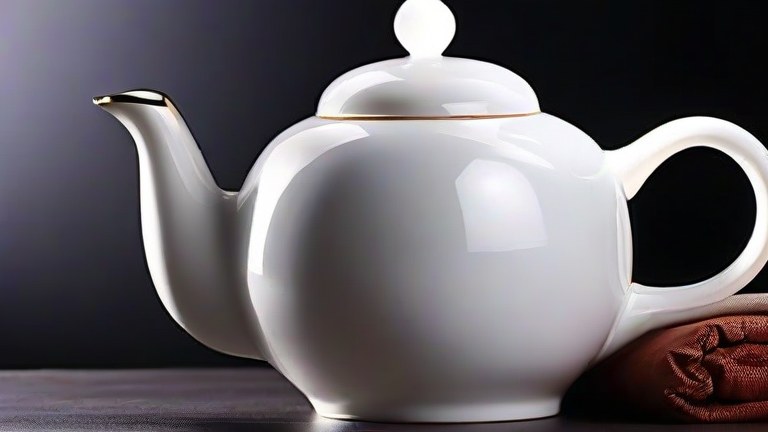
TL;DR: Choose a porcelain teapot based on your preferred brewing method, ensuring the spout design matches your pouring style and the capacity fits your group size. Prioritize a secure, well-fitting lid and a smooth, unglazed interior to preserve the pure flavor of your tea.
Understanding Porcelain Characteristics
Porcelain is a premium material for tea sets due to its non-porous nature, which prevents the teapot from absorbing flavors or odors. This allows you to brew green, white, and oolong teas without the taste of previous infusions lingering. Unlike clay, porcelain does not require a complex seasoning process, making it easier to maintain. Look for high-fired porcelain, which is denser and less likely to chip or crack over time. The color of the porcelain also matters; white interiors allow you to observe the tea leaves unfurling, while colored exteriors can complement your home decor or the specific aesthetic of your tea ceremony.
If you want to dig deeper, check out our guide on Air Fryer Trend: Why Dehydrator Function Is Taking Over.
Step-by-Step Selection Process
First, determine your primary brewing needs. If you frequently serve guests, select a larger capacity pot, typically 300ml or more. For individual use, a smaller 100ml to 150ml pot ensures freshness. Next, examine the spout. A curved spout offers better control for precise pouring, which is ideal for delicate green teas that require careful temperature management. A straight spout is generally easier to clean and may suit black or herbal teas better. Check the weight of the pot when full. A heavy pot provides stability but can strain your wrist, while a lightweight pot is easier to handle but may feel less substantial. Ensure the base is flat and stable to prevent tipping on your table.
Essential Quality Checks
Inspect the lid fit carefully. The lid should sit snugly without being too tight, allowing for easy opening and closing. A lid that is too loose will let steam escape, affecting the brewing temperature, while one that is too tight can crack when opened due to pressure. Run your finger over the rim and spout to check for any rough edges or glazing imperfections. Smoothness is crucial for a pleasant drinking experience and ease of cleaning. Additionally, verify that the teapot comes with a matching cup and saucer if you are buying a set. Consistency in design and material ensures a cohesive aesthetic. Finally, consider the durability of the handle. It should be securely attached and comfortable to grip, even when the pot is hot. A well-designed handle often incorporates a ceramic loop that provides a secure hold without burning your hand.
FAQ
Q: Is porcelain safe for all types of tea?
A: Yes, porcelain is non-porous and inert, making it safe for all tea types, including delicate green and strong black teas, without altering their flavor profiles.
Q: How do I clean a porcelain teapot properly?
A: Rinse with warm water after each use and avoid using soap, which can leave residues. For stubborn stains, use a soft brush with mild vinegar or lemon juice, then rinse thoroughly.
Q: Can I use a porcelain teapot in the microwave?
A: Most porcelain teapots are microwave-safe, but always check the manufacturer’s instructions. Avoid microwaving if the teapot has any metallic accents or gold trim, as these can spark.
Leave a Reply