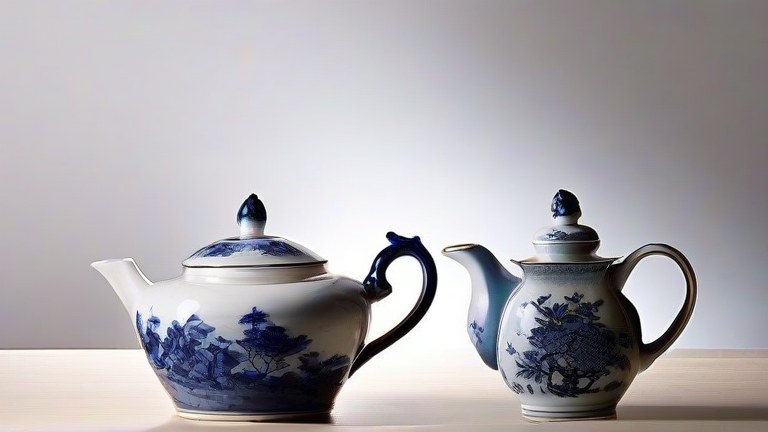
TL;DR: The premium porcelain teapot market is driven by high-margin artisanal brands and strict quality control, favoring established European manufacturers over low-cost imports. Success requires a dual strategy of highlighting heritage craftsmanship for luxury buyers while offering durable, stackable designs for the growing sustainable consumer segment.
Market Analysis
The global tea ware sector is experiencing a resurgence, with porcelain teapots and tea sets leading the high-end segment. Unlike ceramic or glass alternatives, porcelain offers superior thermal retention and a refined aesthetic that appeals to both traditionalists and modern minimalists. Current market trends indicate a shift away from mass-produced goods toward bespoke, artisanal collections. Consumers are increasingly willing to pay a premium for products that tell a story, specifically those emphasizing origin, material purity, and hand-finished details. The B2B channel remains robust, with hotels, high-end restaurants, and corporate gifting services representing significant revenue streams. However, the B2C direct-to-consumer model is expanding rapidly due to social media influence, where visual appeal drives immediate purchase intent. Key players must navigate a complex landscape of import regulations and material sourcing costs, particularly regarding cobalt and gold accents used in decorative finishes.
If you want to dig deeper, check out our guide on Handcrafted Porcelain Teapots & Tea Sets: The Ultimate Guide.
Strategy Insights
To thrive in this competitive space, brands must adopt a dual-pronged marketing strategy. First, emphasize the heritage and authenticity of the manufacturing process. Case studies from top European brands show that highlighting the “hand-painted” aspect increases perceived value by up to forty percent. Second, address the practicality concerns of modern users. Many consumers abandon delicate tea sets due to fragility or difficult maintenance. Therefore, strategy insights suggest promoting durable, microwave-safe, and dishwasher-resistant porcelain lines. Partnerships with renowned tea houses can also drive cross-promotion, creating bundled offers that introduce high-value tea sets to new audiences. Furthermore, sustainability is a critical differentiator. Brands that highlight eco-friendly production methods and lead-free glazes are gaining a loyal following among environmentally conscious millennials and Gen Z buyers. Digital engagement should focus on educational content, teaching customers the proper care and brewing techniques associated with specific porcelain types, thereby enhancing the overall user experience and reducing return rates.
Case Studies
A prominent London-based brand recently revamped its inventory, focusing on limited-edition collaborations with contemporary artists. This move resulted in a twenty-five percent increase in average order value within six months. Conversely, a mass-market retailer that attempted to enter the premium segment with low-cost porcelain saw high return rates due to quality inconsistencies. This failure underscores the importance of rigorous quality assurance. Another successful case involves a Japanese manufacturer that leveraged e-commerce storytelling, featuring video content of the firing process. This transparency built immense trust, allowing them to command higher prices without sacrificing volume. These examples illustrate that in the porcelain teapot market, perception and reliability are equally important to physical product quality. Brands must invest in consistent quality control while simultaneously building a compelling narrative around their brand identity.
FAQ
Q: Why is porcelain preferred over ceramic for tea sets?
A: Porcelain is denser and less porous, which helps retain heat better and prevents absorption of odors, ensuring the purity of tea flavor.
Q: How should one care for hand-painted porcelain teapots?
A: Hand-painted pieces should generally be hand-washed with mild soap to prevent wearing off the glaze, even if the manufacturer claims dishwasher safety.
Q: What are the key buying criteria for a quality tea set?
A: Look for a smooth, even glaze, a well-sealing lid, and a spout that pours without dripping, while verifying the brand’s reputation for consistent quality control.
Leave a Reply