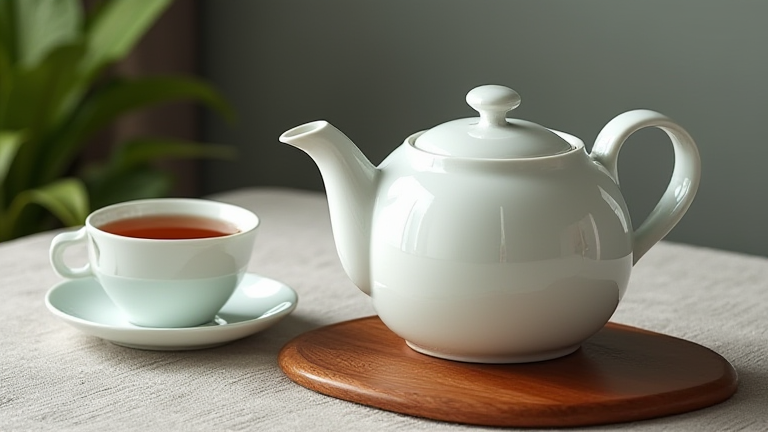
Luxury Porcelain Teapots & Tea Sets: Top Business Ideas
TL;DR: The most viable business opportunities in this sector involve niche artisanal collaborations and B2B corporate gifting platforms. These models leverage high-margin customization and exclusive storytelling to capture affluent consumers seeking authentic, handcrafted elegance over mass-produced alternatives.
The global luxury tableware market is experiencing a significant resurgence, driven by a consumer shift toward mindful living and high-quality home aesthetics. Luxury porcelain teapots and tea sets are no longer viewed merely as functional kitchenware but as statement pieces that reflect cultural refinement and personal taste. This shift presents a unique window for entrepreneurs to build profitable ventures by focusing on craftsmanship, provenance, and exclusive distribution channels. The demand for premium ceramics is particularly strong in regions with deep tea traditions, such as East Asia, but is also expanding rapidly in Western markets where the “slow living” movement has gained traction. Understanding this dual market dynamic is crucial for any new entrant aiming to establish a sustainable brand presence.
If you want to dig deeper, check out our guide on Premium Porcelain Teapots & Tea Sets: The Ultimate Business .
Market Analysis and Consumer Behavior
Current market data indicates that the premium tea ware segment is growing at a compound annual growth rate exceeding eight percent. Consumers are increasingly willing to pay a premium for products that offer verifiable origin stories and superior material quality. Unlike generic glass or ceramic sets, luxury porcelain commands higher prices due to its durability, heat retention properties, and aesthetic versatility. Key demographic segments include high-net-worth individuals, professional interior designers, and corporate executives seeking exclusive gifts. These buyers prioritize exclusivity and brand heritage, making limited-edition collections a powerful sales driver. Furthermore, sustainability is a critical factor; buyers are scrutinizing supply chains for ethical labor practices and environmentally friendly manufacturing processes. Brands that can transparently communicate their commitment to sustainable sourcing gain a significant competitive advantage in this discerning market.
Strategic Insights for New Entrants
To succeed, businesses must avoid competing on price and instead compete on value and experience. A direct-to-consumer model allows for higher margins and better customer relationship management. Digital storytelling through high-quality video content showcasing the kiln-firing process and artisan profiles can significantly boost conversion rates. Additionally, offering customization services, such as monogramming or bespoke color glazes, creates a personal connection that mass-market retailers cannot replicate. Strategic partnerships with high-end hotels, spas, and luxury real estate developers can open B2B revenue streams, providing steady cash flow while building brand prestige. It is essential to invest in robust packaging that enhances the unboxing experience, turning every purchase into a shareable social media moment that drives organic reach.
Case Studies in Excellence
Consider the success of a boutique brand that partnered with master potters in Jingdezhen, China. By highlighting the specific lineage of each artisan, they created a narrative that justified a price point three times higher than competitors. Another case involves a European firm that launched a subscription service for seasonal tea sets. This model ensured recurring revenue and allowed customers to explore different porcelain styles without the full commitment of a large purchase. Both examples demonstrate that success lies in blending traditional craftsmanship with modern retail strategies and consistent brand storytelling.
FAQ
Q: What is the primary challenge in selling luxury porcelain teapots?
A: The main challenge is justifying the high price point through effective storytelling and proving the authenticity of the craftsmanship to skeptical buyers.
Q: How can a new brand differentiate itself in this saturated market?
A: Focus on unique collaborations with renowned artisans, offer exclusive customization options, and build a strong narrative around sustainable and ethical production practices.
Q: Is e-commerce the best channel for luxury tea sets?
A: While e-commerce is essential for reach, high-touch in-person experiences at pop-up events or partnerships with luxury boutiques are crucial for building trust and driving high-value sales.
Leave a Reply