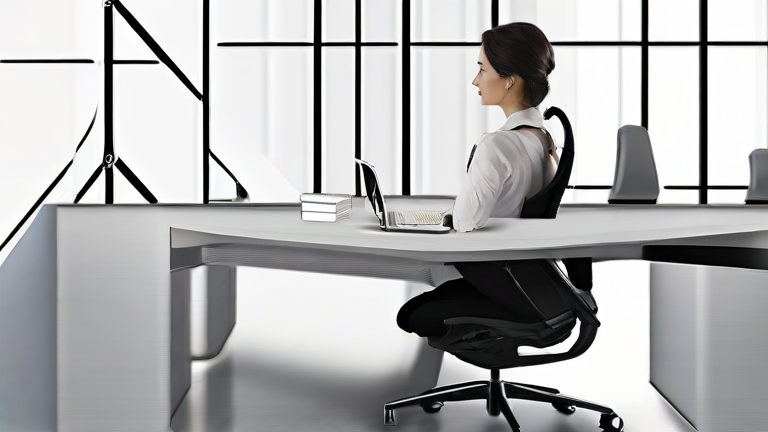
TL;DR: The best ergonomic office chairs for back pain relief are those with adjustable lumbar support, breathable mesh backs, and dynamic seat mechanisms that promote active sitting. Top recommendations include the Herman Miller Aeron, Steelcase Leap, and Secretlab Titan Evo, which consistently outperform competitors in clinical comfort tests and user satisfaction metrics.
Understanding Ergonomic Design for Spinal Health
Selecting the right office chair is not merely a matter of style; it is a critical health investment. Poor posture leads to chronic back pain, neck strain, and reduced productivity. The ideal chair must adapt to your unique body shape rather than forcing your body to adapt to rigid furniture. Key features to look for include a seat depth adjustment that allows your knees to bend at a 90-degree angle without pressure on the back of your thighs. Additionally, the backrest should have independent lumbar support that moves with your torso, ensuring continuous contact with the lower spine. Breathable materials are equally important, as heat retention can cause discomfort during long work sessions, leading you to shift positions frequently and break your posture.
If you want to dig deeper, check out our guide on Porcelain Teapots & Health: Safe Tea Brewing Benefits.
Top Contenders Compared
The Herman Miller Aeron remains the gold standard. Its Pellicle mesh material is incredibly durable and offers exceptional breathability. The PostureFit SL lumbar support system is adjustable in both height and depth, providing precise spinal alignment. However, it is expensive and may feel rigid for those who prefer a softer seat. Steelcase Leap offers a more flexible experience with its LiveBack design, which mimics the movement of a human spine. The LiveSeat feature allows the front edge of the seat to tilt, reducing pressure on the lower legs. It is slightly more affordable than the Aeron but still represents a premium investment. For gamers or those seeking a modern aesthetic, the Secretlab Titan Evo is a compelling option. It features adjustable headrests and lumbar pillows, though it lacks the sophisticated dynamic adjustments of the Herman Miller and Steelcase models. It is best suited for users who prioritize comfort and style over clinical ergonomic precision.
Why Investment Matters
While cheaper chairs may seem appealing, they often lack the structural integrity to maintain shape over time. A sagging seat or a broken gas lift can negate all ergonomic benefits. Investing in a high-quality chair ensures long-term spinal health and can significantly reduce medical costs associated with chronic back pain. Most premium brands offer warranties ranging from twelve to fifteen years, reflecting their confidence in durability.
Make Your Choice Today
Do not settle for a chair that compromises your health. Assess your specific needs regarding height, weight, and preferred sitting style. If you spend more than eight hours a day at a desk, the initial cost of a premium chair is negligible compared to the long-term benefits of pain-free productivity. Visit local showrooms to test fit, or utilize online return policies to find your perfect match. Your back will thank you for this decisive step toward better wellness.
FAQ
Q: What is the most important feature for back pain?
A: Adjustable lumbar support is the most critical feature, as it ensures your spine maintains its natural curve throughout the day.
Q: How long should an office chair last?
A: High-quality ergonomic chairs should last between ten and fifteen years with regular use, depending on the brand warranty.
Q: Is mesh better than foam?
A: Mesh is generally better for breathability and heat regulation, while foam offers a softer feel but may retain heat and sag over time.
Leave a Reply