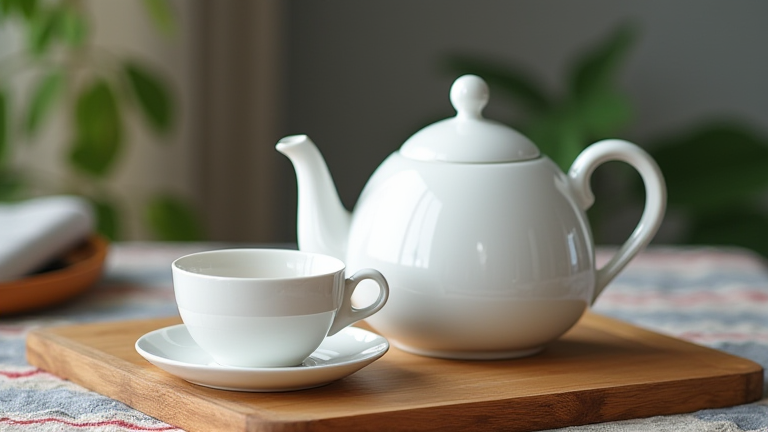
TL;DR: The best porcelain teapots and tea sets for every budget range from affordable, durable ceramic options under $50 to luxury handcrafted artisan pieces exceeding $500. Selecting the right set depends on balancing aesthetic preference, functional capacity, and long-term maintenance requirements specific to porcelain care.
The global tea ware market has experienced significant growth, driven by a renewed cultural appreciation for tea rituals and the rise of mindful living. Within this sector, porcelain remains the dominant material due to its thermal properties, aesthetic versatility, and non-porous surface that prevents flavor absorption. Market analysis indicates a bifurcation in consumer behavior. On one end, mass-market retailers offer standardized, machine-pressed porcelain sets at low price points, appealing to casual drinkers and gift shoppers. On the other end, a robust niche market supports high-end artisanal producers who emphasize hand-thrown craftsmanship, unique glazes, and limited-run collections. This duality creates distinct strategic opportunities for brands operating at different price tiers. Understanding the value proposition of each segment is crucial for maximizing market penetration and customer retention.
If you want to dig deeper, check out our guide on Elevate Your Home: The Timeless Charm of Porcelain Tea Sets.
Market Analysis and Consumer Segmentation
Consumer segmentation in the porcelain tea ware industry is primarily defined by budget and usage intent. The entry-level segment, typically ranging from $20 to $50, focuses on utility and basic aesthetics. These products are often sourced from large manufacturers in Asia, utilizing high-volume production techniques to keep costs low. While these sets are functional, they often lack the weight and balance of higher-tier items. The mid-range segment, priced between $50 and $150, targets enthusiasts who desire better build quality, more intricate designs, and brand credibility. This segment benefits significantly from e-commerce platforms that allow consumers to view detailed product images and read extensive reviews. The luxury segment, exceeding $150, appeals to collectors and serious tea connoisseurs. Here, the value proposition shifts from mere functionality to artistry, heritage, and exclusivity. Brands in this tier often collaborate with local ceramicists, emphasizing the provenance and story behind each piece. Data suggests that while the volume of sales is highest in the entry-level segment, the profit margins are significantly higher in the mid-to-luxury segments due to the premium pricing power associated with brand storytelling and artisanal quality.
Strategy Insights for Retailers and Brands
For brands aiming to capture a broader audience, a tiered product strategy is essential. By offering a curated selection across budget levels, companies can guide customers from initial purchase to higher-value upgrades. One effective strategy is to highlight the durability and ease of care associated with porcelain, addressing common consumer concerns about breakage. Another key insight is the importance of unboxing experience. In the e-commerce era, packaging serves as a critical touchpoint. Luxury brands invest in high-quality, sustainable packaging that enhances the perceived value of the porcelain set. Furthermore, content marketing plays a pivotal role. Educating consumers on proper porcelain care, such as avoiding thermal shock, builds trust and reduces return rates. Collaborations with tea subscription services can also drive cross-selling opportunities, bundling high-quality porcelain ware with premium loose-leaf teas to create a complete ritual experience for the consumer.
Case Studies: Success in Niche Markets
Consider the case of a mid-sized artisan studio that specialized in minimalist, monochromatic porcelain teapots. By targeting a specific aesthetic preference and leveraging social media influencers in the home decor space, the studio achieved a 40% year-over-year sales increase. They successfully positioned their mid-priced products as accessible luxury, appealing to young professionals who valued design over tradition. Conversely, a legacy brand focused on heritage patterns saw declining sales until they introduced a modern, collaborative line with contemporary artists. This strategic pivot allowed them to retain their core customer base while attracting a younger demographic, demonstrating the importance of adapting traditional designs to modern tastes. Both cases illustrate that success in the porcelain tea ware market requires a clear understanding of target demographics and a willingness to innovate within established product categories.
FAQ
Q: What is the primary advantage of porcelain over other materials for teapots?
A: Porcelain is non-porous, which prevents it from
Leave a Reply