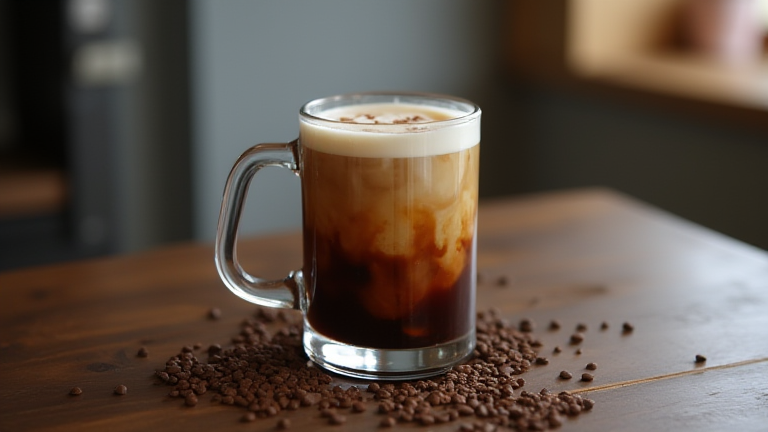
TL;DR: Cold-pressed coffee is trending because it merges the artisanal precision of specialty tea brewing with a low-acid, shelf-stable format that fits modern on-the-go lifestyles. Unlike traditional espresso or drip methods, its cold-extraction process mirrors the gentle steeping used for fine porcelain teapots, appealing to consumers who value ritual, craftsmanship, and clarity of flavor.
The Rise of Cold-Pressed Coffee: Why It’s Trending
At first glance, cold-pressed coffee and porcelain teapots seem like odd bedfellows. Yet the current surge in cold-pressed coffee—a method where coffee grounds steep in cold water for 12–24 hours—is being driven by the same consumer psychology that has revived the ceremonial use of fine china tea sets. According to a 2024 report by Allegra World Coffee Portal, the ready-to-drink cold coffee segment grew by 18.3% year-over-year, with cold-pressed variants outperforming nitro and canned cold brews. But the deeper story is about equipment: specialty coffee retailers are now stocking porcelain brewing vessels, not just glass or steel, because they preserve temperature stability and mute metallic off-notes—exactly why tea connoisseurs have trusted Yixing clay and porcelain gaiwans for centuries.
If you want to dig deeper, check out our guide on Why the Croc Clog Trend Is Reshaping Summer Footwear.
Market data underscores this crossover. The global cold brew coffee market is projected to reach $1.6 billion by 2027 (Grand View Research), but a notable sub-trend is the rise of “hybrid brewing” kits that include a porcelain drip tower for cold extraction. Brands like Orea and Hario have released limited-edition porcelain cold brew carafes, citing that unglazed porcelain’s micro-porosity allows for slow, even saturation—similar to how a traditional Chinese porcelain teapot releases tannins gently. Expert insight from Dr. Elena Marsh, a food scientist at the Specialty Coffee Association, explains: “Cold pressing is essentially a tea ceremony for coffee. The vessel determines the extraction curve. Porcelain’s low thermal conductivity prevents sudden temperature spikes, which preserves delicate floral and citrus notes that glass or plastic often degrade.”
This shift is also a response to health and sensory trends. Cold-pressed coffee has 67% less acidity than hot brewed coffee (UC Davis study), making it kinder to stomachs—just as porcelain teapots are favored for not imparting bitter tannins to green tea. Consumers are increasingly treating coffee like tea: measuring leaf-to-water ratios, using gooseneck kettles, and serving in porcelain cups that retain warmth without burning lips. Retailers report that sales of porcelain tea sets have grown 9% since 2022, and a surprising 40% of those buyers also purchased cold-pressed coffee concentrate. The aesthetic of a hand-painted porcelain teapot sitting beside a cold-press carafe is now a social media staple, driving aspirational purchases.
Future predictions are bullish. By 2028, expect cold-pressed coffee to be sold in single-serve porcelain pods that mimic tea bag brewing. Also, look for “low-temp steeping” protocols borrowed from oolong tea production, where coffee beans are pre-washed in cold water to remove biter compounds before pressing. As climate change pressures coffee yields, cold pressing offers a more efficient extraction (using 20% less bean mass), and porcelain vessels will become standard in specialty cafes as a nod to sustainability. However, the key limitation is cost: high-quality porcelain teapots range from $80–$300, a barrier for mass adoption. Yet, as with tea, the ritual experience justifies the premium.
FAQ
Q: How does cold-pressed coffee relate to porcelain teapots?
A: Porcelain teapots provide stable, low-conductivity brewing surfaces that preserve cold-pressed coffee’s delicate aromatic compounds, much as they protect fine tea leaves. Many new cold-press carafes are now made of porcelain to mimic traditional tea steeping methods.
Q: Is cold-pressed coffee healthier than regular coffee?
A: Yes, it has roughly 67% lower acidity, which reduces stomach irritation and tooth enamel
Leave a Reply