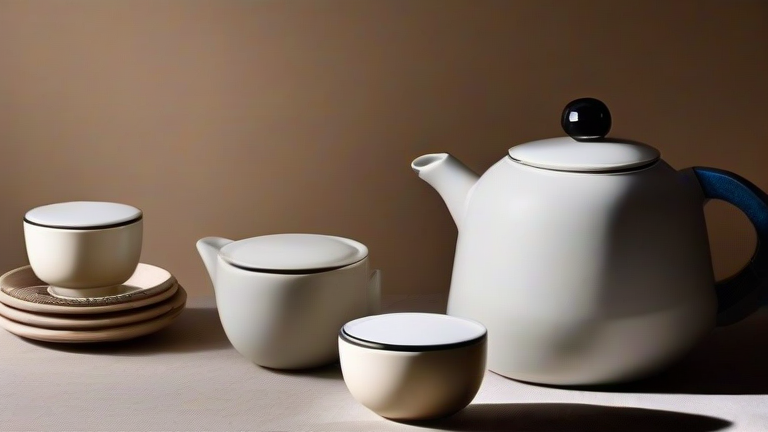
TL;DR: Investing in a high-quality porcelain teapot set transforms daily hydration into a mindful, aesthetic ritual that enhances both flavor and personal well-being. The delicate nature of porcelain preserves the subtle nuances of tea while adding a touch of timeless elegance to your home décor.
The Art of Slow Living in a Digital Age
In an era defined by speed and constant connectivity, the simple act of brewing tea offers a rare moment of respite. It is not merely about caffeine consumption; it is a deliberate pause, a ritual that grounds us in the present. Central to this experience is the vessel itself. While many materials serve the function of holding hot water, porcelain stands apart as a cultural artifact, a culinary tool, and a design statement all at once. Choosing the right porcelain teapot is the first step toward elevating your daily routine from mundane to magnificent.
If you want to dig deeper, check out our guide on Porcelain Teapots & Health: Why This Material Is Safest for .
Why Porcelain Is the Gold Standard
Porcelain is favored by tea enthusiasts worldwide for its unique thermal properties. Unlike clay or ceramic, which can absorb flavors and retain odors, high-fired porcelain is non-porous. This neutrality ensures that the pure, unadulterated taste of your chosen leaf—whether it is a delicate green or a robust oolong—remains intact from cup to palate. Furthermore, porcelain retains heat effectively without becoming scorching hot to the touch, allowing for a comfortable grip during extended steeping times. The material’s translucency and smooth finish also allow for intricate glazing, turning a functional kitchen item into a piece of artistic expression that sparks conversation among guests.
Curating Your Personal Tea Set
Building a tea set is a journey of personal discovery. Start by selecting a teapot that resonates with your aesthetic sensibility. Do you prefer the minimalist lines of Japanese-style porcelain, characterized by understated elegance and organic shapes? Or are you drawn to the vibrant, floral patterns of traditional English porcelain, which bring a sense of whimsy and heritage to the table? Once the teapot is chosen, consider the accompanying cups. Matching sets create a cohesive visual narrative, but mixing and matching can also reflect a eclectic, bohemian lifestyle. Look for sets that include a tray for stability and a strainer for clarity, ensuring that every sip is free from leaf fragments. These components work together to create a seamless experience, where the transition from preparation to consumption is fluid and satisfying.
Creating a Space for Reflection
The ritual extends beyond the pot itself. Designate a specific corner of your home as your tea sanctuary. This might be a window seat with natural light or a quiet nook in the living room. Arrange your porcelain set on a stable surface, perhaps accompanied by a small vase of fresh flowers or a candle. As the water heats, take a moment to appreciate the quiet anticipation. When you pour the hot water over the leaves, watch the colors unfurl. The steam rising from the porcelain cup carries not just aroma, but a sense of calm. This practice encourages mindfulness, inviting you to savor the moment rather than rush through it. Over time, this ritual becomes a anchor of stability in your day, providing a structured break that rejuvenates the mind and body.
FAQ
Q: Is porcelain safe for all types of tea?
A: Yes, porcelain is chemically inert and non-porous, making it safe and ideal for brewing all types of tea, from delicate greens to strong blacks, without imparting any off-flavors.
Q: How should I clean my porcelain teapot set to maintain its appearance?
A: Hand wash with mild soap and a soft cloth immediately after use to prevent staining. Avoid abrasive sponges and do not soak the set for extended periods to preserve the glaze.
Q: Can I use a porcelain teapot in the dishwasher?
A: While many porcelain pieces are dishwasher safe, hand washing is recommended to preserve delicate hand-painted details and prevent potential thermal shock from high-heat drying cycles.
Leave a Reply