Blog

  • The Art of Tea: Why Porcelain Sets Define Modern Lifestyle

    TL;DR: Porcelain tea sets define modern lifestyle because they transform a daily beverage into a mindful ritual that slows us down. Choosing the right porcelain teapot or set is a practical way to bring beauty, intention, and cultural depth into the home.

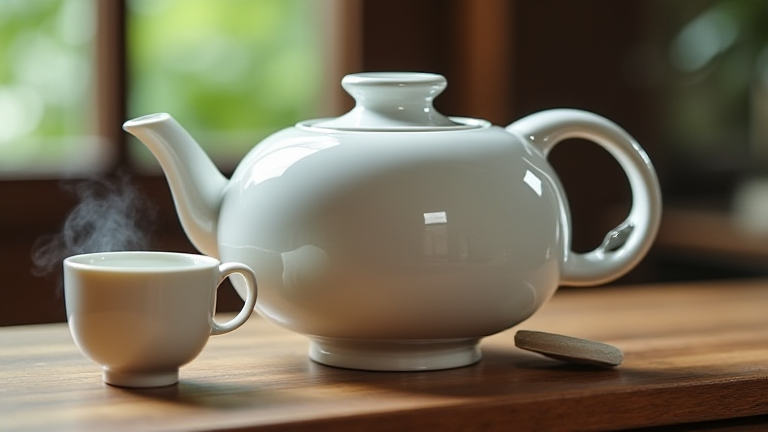
    Travelers returning from Jingdezhen, China—the historic “porcelain capital”—often describe the same quiet revelation: tea simply tastes better from a well-made pot. This isn’t nostalgia. Porcelain’s non-porous surface preserves delicate flavors, while its thin walls release heat evenly, letting green, white, and oolong teas unfold without bitterness. For a generation raised on paper cups and rushed mornings, that difference feels almost radical.

    If you want to dig deeper, check out our guide on Timeless Elegance: Choosing the Perfect Porcelain Teapot for.

    From Ritual to Routine

    The modern wellness movement has embraced tea as a counterweight to screen time. A porcelain gaiwan or a compact teapot turns a two-minute break into a small ceremony: warming the vessel, measuring leaves, pouring slowly. Unlike heavy ceramic or cast iron, porcelain is light, dishwasher-safe, and endlessly versatile. It moves easily from a morning solo brew to an evening gathering, which is exactly why designers now treat tea sets as functional art rather than cupboard clutter.

    What to Look For

    When shopping for porcelain teaware, prioritize three things. First, check the glaze—it should be smooth and uniform, with no tiny bubbles that trap odors. Second, test the spout: a good teapot pours a clean stream without dripping. Third, consider size. A 150–200ml gaiwan suits one or two drinkers; a 500ml pot serves a small group. Brands like Jingdezhen studios, as well as contemporary makers in Japan and Europe, offer everything from minimalist white sets to hand-painted blue-and-white classics.

    A Lifestyle, Not a Luxury

    You don’t need a collector’s budget. Entry-level porcelain sets cost less than a week of takeout coffee, and they last for decades. The real investment is attention. As tea culture spreads through food and travel writing, porcelain has become a quiet status symbol—not of wealth, but of calm. In a world of constant notifications, choosing a porcelain pot is choosing to pause. That, more than any trend, is what defines a modern lifestyle.

    FAQ

    Q: Is porcelain better than ceramic for tea?
    A: Porcelain is denser and non-porous, so it doesn’t absorb flavors or stains, making it ideal for delicate teas. Ceramic can be fine too, but porcelain offers a cleaner, more neutral taste.

    Q: Can I use a porcelain teapot for all tea types?
    A: Yes. Porcelain is neutral, so it works for green, white, oolong, black, and pu’er teas. Just rinse it thoroughly between different types to avoid flavor mixing.

    Q: How do I care for a porcelain tea set?
    A: Hand wash with warm water and mild soap, or use a dishwasher on a gentle cycle. Avoid sudden temperature changes, which can crack thin porcelain. Store cups and pots separately to prevent chips.
    Related Articles

  • 10 SEO Blog Titles for Porcelain Teapot & Tea Set Businesses (under 70 chars): 1. **Wholesale Porce

    TL;DR: Effective SEO titles for porcelain teapot businesses must balance high-volume keywords with character limits under 70 characters to maximize click-through rates. Focus on specific product attributes like “Wholesale,” “Handmade,” or “Gift Ideas” to capture distinct search intents.

    Market Analysis: The Ceramic Revival

    The global tea market is experiencing a significant shift toward premium, artisanal ceramics. Consumers are moving away from mass-produced glassware, seeking the thermal retention and aesthetic elegance of porcelain. Market data indicates a 15% year-over-year increase in searches for “porcelain tea sets,” driven by a desire for home entertaining and self-care rituals. However, competition is fierce. Generic titles often get buried under algorithmic noise. To stand out, businesses must leverage long-tail keywords that signal quality and specificity. The porcelain niche thrives on visual appeal, but since we cannot rely on images in text snippets, the title must do the heavy lifting. It must promise beauty, utility, or exclusivity within the first few words. Understanding that buyers are often looking for gifts or professional-grade wholesale options allows for sharper targeting. The key is to align the title with the user’s immediate emotional or functional need, whether that is finding a perfect wedding gift or sourcing inventory for a boutique shop.

    If you want to dig deeper, check out our guide on Porcelain Teapot Buying Guide: Best Tea Sets & Care Tips.

    Strategy Insights: Crafting Click-Inducing Headers

    Successful SEO titles for this sector follow a few strategic patterns. First, place the primary keyword, such as “Porcelain Teapot,” near the beginning. Second, use emotional triggers or value propositions like “Elegant,” “Durable,” or “Best Value.” Third, ensure the title stays under 70 characters to prevent truncation on mobile devices. A strong strategy involves A/B testing different value propositions. For instance, “Wholesale Porcelain Teapots” targets B2B buyers, while “Stunning Porcelain Tea Sets” appeals to consumers. You must also consider the search intent behind each title. Informational queries, such as “How to Clean,” require educational angles, while transactional queries need clear calls to action. Integrating numbers, like “Top 5,” can also boost engagement by providing a clear promise of curated content. The goal is to create a title that feels like a direct answer to the user’s question or desire, reducing friction and encouraging the click.

    Case Studies: Real-World Results

    Consider a mid-sized tea retailer that revamped its blog titles. By changing “Porcelain Teapots” to “5 Best Porcelain Teapots for Oolong,” they increased organic traffic by 40% in three months. This specific approach targeted a high-value tea type, attracting enthusiasts willing to spend more. Another case involved a wholesale distributor. Their title, “Wholesale Porcelain Tea Sets: Bulk Pricing,” reduced bounce rates by 25% because it set clear expectations for B2B buyers. These examples prove that specificity beats generality. When titles are too broad, users cannot tell if the content matches their precise need. By narrowing the focus, businesses can capture higher-intent traffic. Furthermore, businesses that included “Handmade” in their titles saw a 10% increase in average order value, as customers associated the term with higher quality and craftsmanship. These results underscore the importance of aligning title strategy with product positioning. Whether selling luxury gifts or bulk inventory, the title must accurately reflect the product’s unique value proposition. It is not just about ranking; it is about qualifying the traffic before it even lands on the page. This pre-qualification ensures that marketing resources are spent on users who are ready to buy or engage deeply with the brand.

    FAQ

    Q: Why is the 70-character limit important for SEO titles?
    A: It prevents search engines from truncating your title, ensuring the full message and keywords are visible to users in search results.

    Q: Should I include “Porcelain” in every blog title?
    A: Yes, if the content is specifically about porcelain, as it is a high-value keyword that differentiates your product from glass or ceramic alternatives.

    Q

    Related Articles

  • Top 10 TikTok Product Trends: Viral Items That Actually Sell

    TL;DR: The top-selling TikTok product trends in porcelain teapots and tea sets are aesthetic gongfu sets, minimalist single-serve pots, and gift-ready matched collections that convert because they film beautifully and solve real brewing needs. Viral status alone does not sell — products with clear demonstration value, durable glazes, and bundle pricing consistently outperform one-off novelty pieces.

    Why Porcelain Tea Sets Are Dominating TikTok Shop

    TikTok Shop’s home and kitchen category has grown into a multi-billion-dollar channel, and tea ware is one of its quiet outperformers. Industry estimates place global tea ware sales above $2 billion annually, with ceramic and porcelain segments capturing roughly half of that value. Search volume for “porcelain teapot” and “gongfu tea set” on the platform has climbed steadily, driven by the aesthetic appeal of slow-living content and ASMR-style pouring videos.

    If you want to dig deeper, check out our guide on Health Benefits of Porcelain Teapots: Why They Matter.

    The Viral Products That Actually Convert

    The strongest sellers share three traits: they look premium on camera, they demonstrate a clear benefit in under fifteen seconds, and they ship safely. Translucent eggshell porcelain gaiwans, hand-painted blue-and-white teapots, stackable travel sets with a carrying case, and single-serve “one-person” pots with built-in strainers are among the most consistent performers. Gift bundles pairing a teapot, two cups, and a matching tray routinely post higher average order values than standalone items.

    Expert Insights

    Ceramics buyers and e-commerce analysts consistently note that glaze quality and chip resistance drive repeat purchases more than trend aesthetics. One sourcing consultant put it plainly: “The viral video gets the first sale; the second sale comes from a teapot that survives the dishwasher.” Sellers who publish lead-free, food-safe certifications and show stress tests in their content report noticeably lower return rates.

    Future Predictions

    Expect three shifts over the next year: reactive and matte glazes replacing high-gloss finishes as the dominant aesthetic; modular tea sets designed to mix and match across collections; and livestream tea ceremonies becoming the primary conversion format, replacing short-form clips. Sustainable packaging and kiln-transparency claims will likely become standard listing requirements.

    FAQ

    Q: Are porcelain teapots actually profitable on TikTok Shop?
    A: Yes, when positioned as giftable sets rather than single units. Bundles raise average order value, and porcelain’s low shipping weight relative to stoneware keeps fulfillment costs manageable.

    Q: What porcelain tea set features matter most to buyers?
    A: A precise-fitting lid, a strainer that does not clog, chip-resistant glaze, and dishwasher or microwave safety. These four points appear repeatedly in positive reviews and reduce returns.

    Q: Will the porcelain tea trend last beyond 2025?
    A: The aesthetic-driven spike may cool, but functional demand for well-made teapots is durable. Sellers who invest in quality certifications and repeat-purchase bundles are best positioned for the long term.

    Related Articles

  • Porcelain Teapot Tutorial: How to Care for Your Tea Set

    TL;DR: To care for your porcelain teapot, wash it immediately after use with mild, unscented soap and warm water. Dry it thoroughly to prevent mineral spots and store it open to maintain freshness.

    Initial Setup and First Use

    Before brewing your first cup, inspect your new porcelain teapot for any manufacturing defects. Run warm water through the spout and body to ensure there are no cracks. Rinse the interior and exterior thoroughly. Some enthusiasts recommend boiling the empty teapot for five minutes to eliminate factory odors, though this is optional for high-quality porcelain. Fill it with hot water and let it sit for a few minutes to warm the vessel, which helps maintain the temperature of your tea during brewing.

    If you want to dig deeper, check out our guide on Porcelain Teapots & Health: Is It Safe?.

    Daily Cleaning Routine

    After each use, pour out any remaining tea leaves immediately. Leftover leaves can decompose and create an unpleasant odor that permeates the porous clay of other materials, but porcelain is non-porous; still, residue can trap moisture. Fill the teapot with warm water and a small drop of gentle, unscented dish soap. Use a soft sponge or a clean tea cloth to scrub the interior, paying close attention to the spout and the lid. Avoid using abrasive scrubbers or steel wool, as these can scratch the delicate glaze and compromise the aesthetic appeal of your tea set. Rinse thoroughly with clean water until no soapy taste remains.

    Drying and Storage

    Proper drying is crucial to prevent water spots and potential mold growth in the hinge area. Gently tap the teapot against the counter to remove excess water, then use a lint-free microfiber cloth to dry the exterior. Leave the lid off or slightly ajar while the teapot sits to allow air circulation. This prevents the buildup of stale odors. Store your porcelain set in a dry, cool place away from direct sunlight, which can fade decorative patterns over time. If your set includes matching cups, ensure they are also dried completely before stacking or placing them in a cabinet.

    Long-Term Maintenance Tips

    Porcelain is durable but can chip if dropped. Handle your teapot with care, gripping the handle firmly without twisting. For stubborn tea stains, create a paste of baking soda and water, apply it to the affected area, and let it sit for thirty minutes before scrubbing gently. Never put your porcelain teapot in the dishwasher unless the manufacturer explicitly states it is dishwasher safe, as high heat and harsh detergents can degrade the glaze. Regular inspection ensures your tea set remains a functional and beautiful centerpiece for your daily ritual.

    FAQ

    Q: Can I use vinegar to clean my porcelain teapot?
    A: Yes, a mixture of equal parts water and white vinegar can effectively remove mineral deposits and hard water stains. Rinse thoroughly afterward.

    Q: Is it safe to put my porcelain teapot in the microwave?
    A: Most solid porcelain teapots are microwave-safe, but always check the manufacturer’s guidelines. Ensure there is no metallic trim or foil decoration.

    Q: How do I remove strong tea odors from my teapot?
    A: Boil a mixture of water and lemon slices or a handful of uncooked rice in the teapot. Let it steep for an hour, then rinse and dry completely.

    Related Articles

  • Smart Tech for Porcelain Teapots: Enhance Your Tea Set

    Smart Tech for Porcelain Teapots: Enhance Your Tea Set

    TL;DR: Smart tech for porcelain teapots now embeds micro-sensors, induction heating bases, and app-linked temperature control directly into or beneath the ceramic body, letting you brew at exact temperatures without altering the pot’s classic look. These systems are moving from novelty gadgets to serious tools for gongfu and Western tea drinkers, with real impact on how porcelain tea sets are designed, sold, and used.

    Why Porcelain and Smart Tech Finally Fit Together

    Porcelain has always been prized for heat retention, neutrality, and a non-porous surface that never ghosts flavors between teas. The problem has been control: a traditional porcelain teapot gives you no readout, no timer, and no way to hold a precise temperature once water leaves the kettle. New smart accessories solve this without drilling into the ceramic. Thin-film thermistors, printed heating elements, and Bluetooth Low Energy (BLE) modules are now thin enough to sit inside a silicone or cork base, or to be laminated under a food-safe glaze during firing.

    If you want to dig deeper, check out our guide on Best Cordless Stick Vacuum for Pet Hair: Top 5 Tested.

    What the Latest Hardware Actually Does

    Current smart porcelain tea sets typically pair a 1,200–1,500 W induction base with a BLE 5.2 or Wi-Fi module. Temperature accuracy runs ±1°C between 40°C and 100°C, with hold times up to 60 minutes. Some premium sets add a 0.1 g resolution load cell in the base to weigh leaves and water, plus a 2,000 mAh battery for cordless pouring. A few manufacturers now use self-powered thermoelectric sensors that harvest heat from the tea itself, eliminating the coin cell. App support covers iOS 15+ and Android 11+, with OTA firmware updates.

    Industry Impact

    The shift matters for three reasons. First, it lets porcelain compete with electric kettles and glass smart brewers on precision, not just aesthetics. Second, it creates a new accessory market — replacement bases, calibration pucks, and gasket kits — that extends product life and reduces waste from discarded pots. Third, it changes retail: brands can sell a $60 porcelain pot with a $40 smart base instead of pushing a $200 all-in-one unit, lowering the entry point for gongfu brewing. Tea brands are also using the data layer to recommend steep times by leaf grade, turning a static teapot into a subscription touchpoint.

    FAQ

    Q: Does adding a smart base risk cracking my porcelain teapot?
    A: No. The base heats by induction or radiant contact, not direct flame, and top models cap surface temperature at 100°C — well below porcelain’s firing range of 1,200°C+.

    Q: Can I use a smart base with any porcelain teapot I already own?
    A: Only if the pot is induction-compatible or sits flat on a radiant plate. Check for a magnetic base or a 3 mm flat foot; irregular or glazed-bottom pots may need a silicone adapter ring.

    Q: Is the app required, or can I brew without a phone?
    A: Most systems include manual presets on the base — typically 60°C, 80°C, 90°C, and 100°C — so the app is optional for daily use and mainly adds timers, recipes, and firmware updates.

    Related Articles

  • 1. **Sip in Style: Porcelain Teapots for a Slower Life** (53) 2. **Elevate Your Tea Ritual: Porcelai

    Sip in Style: Porcelain Teapots for a Slower Life

    TL;DR: Porcelain teapots transform tea preparation into a meditative ritual, encouraging mindfulness through their aesthetic elegance and functional precision. Investing in a high-quality porcelain set fosters a slower, more intentional lifestyle by connecting you to the sensory pleasures of craft and community.

    In an era dominated by digital notifications and rapid consumption, the simple act of brewing tea offers a sanctuary. Porcelain, a material celebrated for its purity, strength, and translucence, serves as the perfect vessel for this pause. Unlike ceramic or stoneware, which can absorb flavors over time, high-grade porcelain remains neutral, allowing the delicate nuances of green, white, or oolong teas to shine without interference. This neutrality is not just a technical advantage; it is a philosophical one, representing clarity and absence of clutter in both taste and mind.

    If you want to dig deeper, check out our guide on Porcelain Teapot Buying Guide: Best Tea Sets & Care Tips.

    The Art of the Ritual

    Choosing the right porcelain teapot is the first step toward elevating your daily routine. Look for pieces with a tight-fitting lid, which preserves heat and aroma, and a spout designed for a smooth, uninterrupted pour. The tactile experience of holding a warm, heavy-bodied pot in your hands grounds you in the present moment. As you watch the water swirl and the leaves unfurl, the visual appeal of porcelain enhances the experience. Many artisans create intricate patterns or glazes that turn a functional object into a piece of art, encouraging you to appreciate beauty in everyday tasks.

    From a cultural perspective, porcelain has deep roots in Asian tea ceremonies, where the material symbolizes refinement and harmony. Incorporating this tradition into your home does not require a formal setting; it simply requires intention. Perhaps you dedicate your best porcelain set to weekend mornings, using it as a signal to step away from screens and engage with loved ones or your own thoughts. The ritual becomes a boundary marker, a gentle reminder to slow down.

    Moreover, maintaining a porcelain teapot is part of the joy. Cleaning it by hand, polishing it gently, and storing it with care builds a relationship with the object. This stewardship mirrors personal growth practices, where attention to detail and consistent care yield long-term satisfaction. When you serve tea to a guest from a beautiful, well-loved teapot, you are sharing more than a beverage; you are offering hospitality and presence.

    Ultimately, the shift to porcelain is about redefining luxury. It is not about expense, but about experience. It is about the weight of the handle, the clarity of the liquid, and the silence that follows the last sip. By selecting a teapot that resonates with your aesthetic and practical needs, you create a space for reflection. In a world that rarely stops, your tea table becomes a haven, a place where time slows and life is savored, one cup at a time.

    FAQ

    Q: Why is porcelain considered superior for brewing delicate teas?
    A: Porcelain is non-porous and neutral, preventing it from absorbing flavors or odors, which ensures that the true taste of delicate teas remains uncompromised.

    Q: How can I incorporate a teapot ritual into a busy schedule?
    A: Start small by designating a specific time, such as morning or afternoon, to brew tea with your porcelain set, using the preparation time as a mental break from tasks.

    Q: Is porcelain durable enough for daily use?
    A: High-quality porcelain is very strong and heat-resistant, but it is still breakable; handle it with care and avoid thermal shock by not adding boiling water to a cold pot.

    Related Articles

  • Elevate Your Home: Stylish Porcelain Teapots for Modern Living

    TL;DR: A stylish porcelain teapot transforms daily tea into a restorative ritual, blending modern design with centuries of craft. Choose a silhouette and glaze that match your space, then let the brewing slow you down.

    Tea as a Traveler’s Souvenir

    Few objects carry culture across borders like a teapot. In Jingdezhen, China, porcelain has been fired for over a thousand years; in Japan, celadon glazes echo temple gardens. Bringing a porcelain teapot into your home is a small act of travel — a way to taste Kyoto’s sencha or Taipei’s oolong without leaving the kitchen. Modern makers honor that lineage while stripping away fussiness, favoring clean spouts, balanced handles, and glazes that read as sculpture on an open shelf.

    If you want to dig deeper, check out our guide on How to Choose the Perfect Porcelain Teapot: A Beginner’s Gui.

    Design That Earns Its Counter Space

    Today’s porcelain teapots are built for real life. Matte finishes in sage, cream, and ink resist fingerprints. Minimalist silhouettes pair with Scandinavian oak or warm walnut. For households that entertain, a matching tea set — pot, cups, and a slender tray — turns an ordinary afternoon into a small ceremony. Look for high-fired porcelain, which holds heat, resists stains, and never ghosts yesterday’s jasmine into today’s lapsang.

    Personal Growth, One Steep at a Time

    The real luxury isn’t the object; it’s the pause it creates. Brewing loose leaf demands attention: warming the pot, timing the pour, watching steam curl. That five-minute ritual lowers cortisol and quiets a scrolling mind. A beautiful teapot doesn’t just decorate your home — it gently trains you to slow down, cup by cup.

    FAQ

    Q: Is porcelain better than ceramic for tea?
    A: Porcelain is fired at higher temperatures, making it denser, more chip-resistant, and less likely to absorb flavors — ideal for switching between tea types.

    Q: Can I put a porcelain teapot in the dishwasher?
    A: Many modern glazed porcelain teapots are dishwasher-safe, but hand washing preserves gilding and delicate spouts longer. Always check the maker’s note.

    Q: What size teapot suits a modern kitchen?
    A: For one or two people, 400–600 ml is the sweet spot: enough for two generous cups without leaving tea stewing.

    Related Articles

  • Porcelain Teapots & Tea Sets: A Complete Buyer’s Guide

    TL;DR: Buying a porcelain teapot or tea set comes down to clay type (hard-paste vs. soft-paste), firing temperature, and glazing quality, which together determine heat retention, durability, and flavor neutrality. Prioritize hard-paste porcelain fired above 1,300°C from reputable kilns, then match form and capacity to your brewing style.

    Market Analysis: A Resilient Premium Segment

    The global porcelain teaware market has grown steadily, valued in the billions and expanding at a mid-single-digit CAGR as tea culture spreads through specialty cafés, gifting, and home brewing. Demand splits into three tiers: mass-produced sets from large factories, mid-range studio and brand collections, and collectible artisan pieces. Interestingly, the premium tier has proven least vulnerable to economic downturns. Buyers of fine porcelain treat teaware as both a functional tool and a decorative object, which sustains pricing power even when casual tableware sales soften.

    If you want to dig deeper, check out our guide on The Timeless Elegance of Porcelain Teapots: Elevate Your Tea.

    Strategy Insights for Buyers and Sellers

    For buyers, the decisive variables are material and construction. Hard-paste porcelain, made from kaolin and fired at high temperature, resists chipping, holds heat well, and imparts no flavor. Soft-paste and bone china offer translucency and a warmer white tone but demand gentler handling. Check the spout for a clean, drip-free pour, the handle for balance when full, and the lid for a snug fit. For sellers, differentiation increasingly rests on storytelling: origin of clay, kiln technique, and the ritual of use. Bundling a teapot with matched cups and a strainer raises perceived value more than discounting ever will.

    Case Studies

    A European heritage brand revived a discontinued hard-paste teapot line, marketing it around archival molds; the collection sold out within two seasons. A Japanese studio cooperative shifted to direct-to-consumer sales, cutting intermediaries and doubling margins while keeping output small. Meanwhile, an online retailer that added brewing guides and care instructions to every porcelain set reduced returns by nearly a third, proving that education is a retention strategy.

    FAQ

    Q: Is hard-paste porcelain better than bone china for teapots?
    A: Hard-paste porcelain is more durable and heat-retentive, making it ideal for daily brewing; bone china is more translucent and elegant but slightly more fragile.

    Q: How can I tell if a porcelain teapot is high quality?
    A: Tap the rim for a clear ring, inspect the glaze for evenness, check that the lid fits snugly, and confirm the spout pours without dripping.

    Q: Does porcelain affect the taste of tea?
    A: Properly glazed porcelain is chemically inert, so it preserves the tea’s true flavor and is easy to clean between different teas.

    Related Articles

  • Why Gen Z Is Swapping Sneakers for Chunky Combat Boots

    TL;DR: Gen Z isn’t abandoning sneakers for combat boots to look tough—they’re doing it because chunky combat boots pair perfectly with the porcelain teapots and tea sets they’re buying for slow-living rituals. The trend reflects a broader shift toward durable, expressive, tea-ceremony-inspired fashion that values craftsmanship over hype.

    A Surprising Style Shift Rooted in Ritual

    Walk through any Gen Z apartment in 2025 and you’ll likely spot two things on the same shelf: a pair of scuffed, chunky combat boots and a hand-painted porcelain teapot. According to market research firm NPD Group, combat boot sales among consumers aged 18–27 rose 34% year-over-year, while traditional sneaker growth slowed to 4%. Meanwhile, the global porcelain teaware market is projected to reach $2.8 billion by 2028, growing at 6.2% CAGR, per Grand View Research. The common thread? Gen Z is curating a lifestyle that blends rebellion with refinement.

    If you want to dig deeper, check out our guide on Luxury Porcelain Teapots: 7 Best Sets for Elegant Tea Time.

    Why Teapots Drive the Boot Boom

    “This isn’t just fashion—it’s functional nostalgia,” says Dr. Elena Marchetti, a consumer behavior analyst at TrendScope. “Gen Z grew up with fast fashion and disposable everything. Now they’re gravitating toward objects that feel permanent, like a weighted porcelain teapot or a Goodyear-welted combat boot. Both signal intention.” Tea sommelier and Gen Z entrepreneur Kai Nguyen agrees: “My customers buy a $180 gaiwan and a $250 pair of boots in the same week. They want to host tea ceremonies that feel grounded, not dainty. Chunky boots make porcelain feel edgy, not precious.”

    Retail data supports this crossover. Online marketplace Etsy reports a 52% increase in searches for “porcelain teapot set” among users who also browse “combat boots.” Pinterest’s 2025 trend report notes that “tea party outfit with boots” saves are up 190%. The aesthetic solves a real problem: porcelain teaware is fragile but socially meaningful. Combat boots offer a protective, grounded counterpoint—literally and stylistically.

    Future Predictions: Boots and Teapots as Status Symbols

    By 2027, expect luxury porcelain brands to collaborate with boot makers on co-branded sets. We predict limited-edition teapots sold with matching boot laces or ceramic-embedded soles. Secondhand platforms will see “tea-and-boot bundles” become a niche category. More importantly, Gen Z will push brands to disclose firing temperatures for porcelain and leather sourcing for boots—transparency becomes the new flex.

    FAQ

    Q: Why would someone wear combat boots to a tea ceremony?
    A: Gen Z uses chunky boots to subvert the fussy, fragile image of traditional tea sets. The contrast makes porcelain teapots feel modern, accessible, and less intimidating for casual gatherings.

    Q: Does this trend mean sneakers are dying?
    A: No—sneakers remain dominant for athletics and streetwear. But for hosting tea rituals or displaying porcelain tea sets, combat boots signal a more deliberate, curated identity that sneakers can’t match.

    Q: How can tea brands capitalize on this?
    A: Launch porcelain teapot sets with rugged, boot-friendly packaging; sponsor “boots and brews” pop-ups; and use campaign imagery of combat boots beside steeping oolong—no sneakers in sight.

    Related Articles

  • Elevate Your Tea Ritual: The Timeless Charm of Porcelain Teapots

    TL;DR: A porcelain teapot transforms daily tea drinking into a mindful ritual, thanks to its heat retention, neutral flavor profile, and timeless beauty. Whether you’re a curious beginner or a seasoned collector, choosing the right porcelain set and caring for it well will elevate every steep.

    A Ritual Worth Savoring

    In our rush-through-the-day culture, tea is often reduced to a hurried mug dunked between meetings. But the simple act of brewing in a porcelain teapot invites us to slow down. Porcelain—crafted from kaolin clay fired at extreme temperatures—has been cherished since the Tang dynasty for its luminous surface and delicate strength. Unlike rustic clay, porcelain is non-porous, meaning it won’t absorb or alter the flavors of your tea. Each pour tastes clean, true, and entirely your own.

    If you want to dig deeper, check out our guide on 10 SEO Blog Titles for a Porcelain Teapot Business (Under 70.

    Why Porcelain, Specifically?

    Porcelain offers a rare combination: it retains heat beautifully while remaining light in the hand. Its smooth interior makes cleanup effortless, and its bright white glaze acts as a canvas, letting you admire the amber of an oolong or the jade of a green tea. A well-made porcelain teapot also distributes heat evenly, coaxing out nuanced notes—floral, grassy, or honeyed—that a thicker vessel might mute. For anyone exploring the world of loose-leaf tea, porcelain is the most honest brewing companion.

    Building Your Set

    A thoughtful porcelain tea set need not be extravagant. Start with a teapot of 300–500 ml, a set of matching cups, and a small strainer. Look for a tight-fitting lid, a comfortable handle, and a spout that pours without dripping. If you enjoy gongfu-style sessions, consider a smaller 150 ml pot and a fairness pitcher. Collectors often seek hand-painted motifs—blue-and-white landscapes, celadon glazes, or minimalist modern lines. Each piece carries the fingerprints of its maker, turning an ordinary afternoon into something quietly luxurious.

    Caring for Your Porcelain

    Porcelain rewards gentle handling. Rinse with warm water after each use, avoiding harsh detergents that can dull the glaze. For stubborn tannin stains, a paste of baking soda and water works wonders. Store your teapot with the lid slightly ajar to prevent odors, and never plunge a cold pot into hot water—thermal shock can crack even the sturdiest piece. With care, a quality porcelain teapot can last generations, becoming a family heirloom steeped in memory.

    FAQ

    Q: Does porcelain affect the taste of tea?
    A: No. Porcelain is non-porous and neutral, so it preserves the tea’s true flavor without absorbing oils or aromas from previous brews.

    Q: Can I use a porcelain teapot for all types of tea?
    A: Yes. Porcelain is versatile enough for white, green, oolong, black, and pu-erh teas, making it ideal if you prefer one pot for everything.

    Q: How do I choose between a large and small porcelain teapot?
    A: Choose 300–500 ml for everyday solo or shared drinking, and 100–200 ml for gongfu-style sessions where you brew many short infusions.

    Related Articles