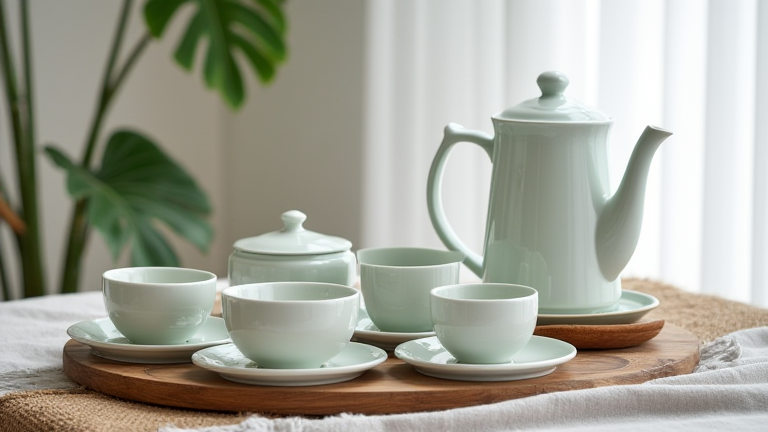
TL;DR: A timeless porcelain teapot isn’t just a vessel—it’s a daily ritual that slows time and elevates your home’s aesthetic. Investing in a quality set transforms tea drinking into a mindful practice of culture and personal growth.
The Art of the Pour: Why Porcelain Endures
In an age of disposable everything, porcelain teapots stand as quiet rebels. Their thin, vitrified walls respond instantly to heat, releasing the tea’s aromatic oils with a clarity that glass or cast iron can’t match. But the true magic lies in the ritual: the gentle click of the lid, the warm weight in your palms, the deliberate tilt of the spout. This isn’t just brewing—it’s a meditation. Each pour forces you to slow down, to watch the amber liquid spiral into your cup, and to reconnect with a practice that has united cultures from Jingdezhen to Meissen for over a thousand years.
If you want to dig deeper, check out our guide on 10 Best Tech Gadgets Under $100: Tested by Engineers.
Traveling Through Craft: A Global Cup
Owning a hand-painted porcelain set is like holding a passport in your kitchen. A blue-and-white Qing-style pot whispers of Chinese scholar gardens, while a delicate English bone china set evokes rainy afternoons in Devon. When you choose a Japanese Kyushu porcelain teapot, you’re embracing wabi-sabi—the beauty of imperfection. These pieces carry the fingerprints of artisans who spent decades perfecting their glaze. By displaying them on a shelf or using them daily, you invite world travel into your home without a single flight. The cultural knowledge embedded in each pattern becomes a conversation starter, a lesson in history, and a reminder that beauty is a universal language.
Personal Growth in Every Leaf
Tea is a teacher of patience. Unlike a quick coffee, a proper porcelain gaiwan or teapot demands attention to water temperature, steeping time, and leaf quantity. This micro-focus cultivates mindfulness—a skill that spills into your work, relationships, and self-awareness. Start a weekend ritual: choose one loose-leaf oolong or aged white tea, brew it in your favorite porcelain set, and sit with the steam rising. Notice how your breath slows. Notice how your to-do list fades. Over weeks, this becomes a cornerstone of emotional resilience. The teapot doesn’t just hold tea; it holds space for you to reset. And when you host friends, pouring from a handcrafted set creates an intimacy that paper cups never can—a shared pause in a noisy world.
Curating Your Collection: Quality Over Quantity
You don’t need a cabinet full of ceramics. Start with one versatile teapot (500–800 ml) and two matching cups. Look for high-fired porcelain (above 1300°C) for durability and a smooth, non-porous finish. Hand-painted details add soul, but even a minimalist white set becomes timeless when paired with a bamboo tray or linen napkin. Avoid trendy neon glazes; instead, choose neutral ivory, celadon, or cobalt accents that never clash with changing decor. As your collection grows, mix eras—a vintage English cup with a modern Japanese pot—for a layered, personal aesthetic. The goal isn’t perfection; it’s the story your shelves tell.
FAQ
Q: How do I clean a porcelain teapot without damaging the glaze?
A: Rinse immediately with warm water and a soft sponge—never abrasive scrubbers. For stubborn stains, use a paste of baking soda and water, then rinse thoroughly. Avoid dishwasher detergent, which can dull the finish over time.
Q: Can I use a porcelain teapot on a stovetop or in a microwave?
A: Only if the manufacturer explicitly marks it as flameproof or microwave-safe. Most decorative porcelain is for brewing with boiled water (poured in) or for steeping. Direct heat can crack the body—always check the base stamp.
Q: What’s the best tea for a first-time porcelain te
Leave a Reply