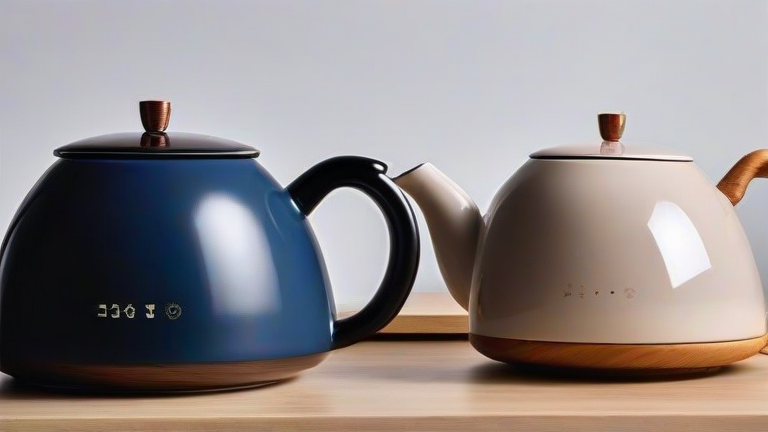
Smart Porcelain Teapots: Tech-Enhanced Brewing for Modern Tea Lovers
TL;DR: Smart porcelain teapots integrate precision temperature control and brewing timers into traditional ceramic vessels to optimize flavor extraction. This fusion of heritage aesthetics and modern IoT technology creates a seamless, data-driven experience for contemporary tea enthusiasts.
The intersection of ancient tea culture and cutting-edge technology has produced a remarkable new category of kitchenware: the smart porcelain teapot. Unlike previous generations of electronic kettles or basic ceramic pots, these devices embed microprocessors, heating elements, and sensors directly into the body of high-quality porcelain. This architectural shift allows for precise thermal management, ensuring that delicate green teas are brewed at lower temperatures while robust oolongs or pu-erhs reach optimal steeping conditions without user intervention. The latest developments focus on reducing the visible footprint of the technology, using minimalist LED indicators and hidden charging bases to maintain the elegant, uncluttered look that porcelain is renowned for. Manufacturers are now prioritizing materials that withstand repeated thermal cycling without cracking, ensuring the longevity of these premium products.
If you want to dig deeper, check out our guide on Why the Quiet Luxury Trend Is Driving Demand for Cashmere.
Key Specifications and Features
Modern smart porcelain teapots typically feature a heating element capable of maintaining water temperatures within a two-degree range, a critical factor for tea connoisseurs. Standard specifications include a capacity of 400ml to 600ml, suitable for individual or small group servings. Advanced models incorporate Bluetooth and Wi-Fi connectivity, allowing users to program specific brewing profiles via smartphone apps. These profiles can adjust steeping times, water temperature, and even remind users when the tea has reached its peak flavor window. Battery life for the control modules usually extends to several months on a single charge, thanks to efficient power management systems. Furthermore, many units include a built-in scale function, enabling users to measure the exact ratio of leaf to water, a detail often overlooked in manual brewing but essential for consistent results. The porcelain itself is often made from high-grade kaolin, which retains heat better than standard glass or plastic, ensuring the tea stays warm longer after the pot is removed from its base.
Industry Impact and Market Trends
The rise of smart porcelain teapots is reshaping the premium tea accessory market. It challenges traditional views that technology should be bulky and industrial, proving that innovation can coexist with artisanal craftsmanship. This trend is driving increased investment in material science, with companies collaborating with ceramicists to create vessels that are both aesthetically pleasing and technically robust. The impact extends to the broader smart home ecosystem, as these devices increasingly integrate with platforms like Alexa and Google Home, allowing voice commands for brewing. For the industry, this represents a significant upsell opportunity, moving customers from standard ceramic sets to high-margin smart devices. Moreover, it introduces younger demographics to the nuances of tea brewing, as the app-based guidance educates users on the subtleties of different tea varieties. As battery technology improves and sensors become more affordable, the cost of entry is expected to decrease, potentially making smart porcelain teapots a mainstream household item rather than a niche luxury. The focus remains on enhancing the sensory experience of tea drinking through precision, ensuring that every cup is brewed to perfection.
FAQ
Q: Can smart porcelain teapots brew different types of tea simultaneously?
A: No, most units are designed for single-batch brewing, but the app allows you to save multiple profiles for different teas to switch between easily.
Q: Is the porcelain safe for dishwasher cleaning?
A: Generally, yes, but it is recommended to hand wash the exterior and avoid submerging the electronic base to protect the sensors and charging contacts.
Q: How long does the battery last on a typical smart teapot?
A: Most models offer three to six months of standby time on a single charge, with frequent use extending the charge cycle to several weeks.
Leave a Reply