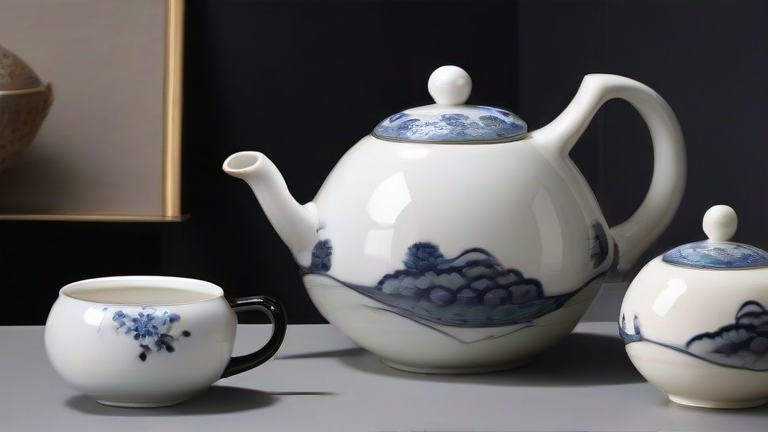
Porcelain Teapot Guide: How to Choose & Care for Your Set
TL;DR: Select a porcelain teapot based on your preferred tea type, ensuring the vessel’s size matches your typical brewing volume and that it features a secure, non-leaking lid. Care for your set by hand-washing with mild soap, avoiding thermal shock, and storing it dry to preserve the glaze and prevent odor absorption.
Porcelain teapots are prized for their purity, elegance, and ability to showcase the true flavor of tea without imparting additional tastes. Unlike clay, which is porous, porcelain is non-porous and glass-like, making it ideal for delicate white and green teas as well as fragrant oolongs. Choosing the right set involves balancing aesthetics with functionality. First, determine the type of tea you drink most often. Delicate teas require a pot that does not retain strong flavors from previous brews, which porcelain handles perfectly. Consider the capacity of the pot as well. A standard 12-ounce pot is suitable for one or two cups, while a 20-ounce pot serves three to four. Ensure the spout is designed for a smooth, controlled pour, preventing splashing and allowing you to aerate the tea effectively. The lid should fit snugly to maintain heat but be easy to remove without excessive force. Look for a set that includes matching cups and a saucer if you intend to serve guests, ensuring the design elements are cohesive and the weight distribution is comfortable in the hand. High-quality porcelain is often thicker and feels substantial, which helps retain heat longer than thinner varieties.
If you want to dig deeper, check out our guide on Porcelain Teapots: Health Benefits, Safety & Best Practices.
Step-by-Step Selection and Maintenance
When purchasing a new set, inspect the item for any cracks or chips, even minor ones can compromise the structural integrity over time. Check the filter mesh inside the spout; it should be fine enough to catch leaves but not so tight that it clogs easily. To maintain your porcelain teapot, always allow it to cool down gradually after use. Sudden temperature changes can cause thermal shock, leading to cracks in the glaze or body. Hand-wash your teapot with warm water and a mild, unscented dish soap. Avoid using abrasive sponges or harsh chemicals, as these can scratch the glossy surface and dull the appearance. If you notice any tea stains, which are rare with porcelain, soak the pot in a solution of warm water and a small amount of baking soda for an hour, then rinse thoroughly. Never leave your teapot in a dishwasher, as the high heat and harsh detergents can damage the finish and potentially weaken the porcelain structure.
After washing, dry the teapot completely with a soft, lint-free cloth before storing it. This prevents water spots and ensures that no moisture is trapped, which could lead to mildew or unpleasant odors if the pot is sealed tightly. Store the teapot in a cool, dry place, ideally with the lid slightly ajar to allow for air circulation if you plan to use it frequently. If you are not using the teapot for an extended period, ensure it is completely dry and stored in a protective box or shelf to prevent dust accumulation and physical damage. Regularly inspect the lid and handle for any signs of wear or loosening. If a part becomes damaged, consider contacting the manufacturer for a replacement if the set is still under warranty. Proper care ensures that your porcelain teapot remains a beautiful and functional piece for many years, enhancing your tea drinking experience with every use.
FAQ
Q: Can I use a porcelain teapot for brewing black tea?
A: Yes, porcelain is versatile and works well for black tea, though it may not retain heat as effectively as clay pots for very long steeping times.
Q: How do I remove a persistent tea stain from the inside?
A: Soak the teapot in a mixture of warm water and baking soda for several hours, then scrub gently with a soft brush and rinse thoroughly.
Q: Is it safe to put a hot porcelain teapot in the refrigerator?
A: No, sudden temperature changes can cause thermal shock and crack the
Leave a Reply