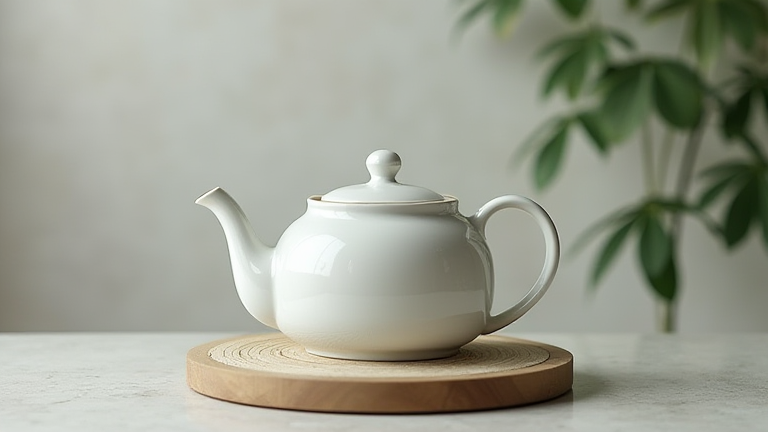
Porcelain Teapots: Health Benefits, Safety & Best Practices
TL;DR: Porcelain teapots are chemically inert and lead-free, making them a safe, non-toxic vessel that preserves the delicate flavor and nutritional integrity of your tea. Choosing high-quality, glazed porcelain ensures you avoid heavy metal leaching while enjoying the aesthetic and thermal benefits of a superior brewing experience.
The Science of Inertness
When selecting a teapot, material composition is paramount for health. Porcelain is a ceramic material made by firing clay, kaolin, and feldspar at extremely high temperatures, typically above 1200°C. This process results in a dense, non-porous surface that is chemically inert. Unlike lower-grade ceramics or poorly glazed stoneware, high-quality porcelain does not leach harmful substances such as lead, cadmium, or other heavy metals into your beverages. This inertness is crucial because it ensures that the only thing infusing your water is the tea itself, preserving the bioactive compounds like catechins and L-theanine found in green and black teas. From a health perspective, this means you are not introducing unnecessary chemical contaminants into your daily routine. Furthermore, because porcelain is non-reactive, it does not alter the pH of the water or the taste profile of the tea, allowing you to experience the full spectrum of flavors without metallic aftertastes.
If you want to dig deeper, check out our guide on Elevate Your Tea Ritual: Choosing the Perfect Porcelain Teap.
Thermal Properties and Hygiene
Porcelain teapots offer excellent thermal retention, keeping your tea at an optimal drinking temperature for a longer duration. This is not just a convenience; it is a health benefit. Drinking tea at moderate temperatures is recommended by health organizations to reduce the risk of esophageal irritation. A porcelain pot cools down more gradually than glass or thin clay, allowing for a smoother cooling curve. Additionally, the smooth, glazed surface of a porcelain teapot is easy to clean and less likely to harbor bacteria or mold compared to porous unglazed clay. This hygienic aspect is particularly important for sensitive individuals or those with compromised immune systems. The lack of pores means that tea oils and tannins do not get trapped in the material, which can otherwise lead to a stale taste or potential microbial growth if not cleaned meticulously. Regular washing with mild soap and thorough drying ensures that your teapot remains a sterile environment for your beverage.
Best Practices for Selection and Care
To maximize health benefits, always choose teapots labeled as “lead-free” or “food-safe.” Look for certifications from recognized bodies that test for heavy metals. Avoid cheap, unbranded ceramics from unknown sources, as they may contain substandard glazes. When cleaning, use a soft brush and mild detergent. Avoid abrasive scrubbers that could scratch the glaze, as scratches can create micro-abrasions where bacteria may reside. While porcelain is durable, it is still ceramic and can chip if dropped. Inspect your teapot regularly for any cracks or chips in the glaze. If you notice damage, discontinue use, as compromised glaze can potentially leach materials into your tea. Additionally, consider the shape and size of the teapot for proper steeping. A well-designed porcelain teapot allows for even water circulation, ensuring uniform extraction of flavors and nutrients. By combining a high-quality, safe vessel with proper brewing techniques, you enhance both the sensory and health aspects of your tea ritual. Embracing porcelain is a simple, effective way to elevate your wellness routine through mindful consumption and safe practices.
FAQ
Q: Is porcelain safer than cast iron for brewing tea?
A: Yes, porcelain is chemically inert and contains no iron, making it safer for those with iron overload issues or those who prefer non-metallic flavor profiles.
Q: Can I put a porcelain teapot in the dishwasher?
A: While some porcelain is dishwasher safe, hand washing is recommended to preserve the glaze and avoid thermal shock or physical damage from rack tines.
Q: Does the color of the porcelain teapot affect the taste of the tea?
A: No, the color is purely cosmetic
Leave a Reply