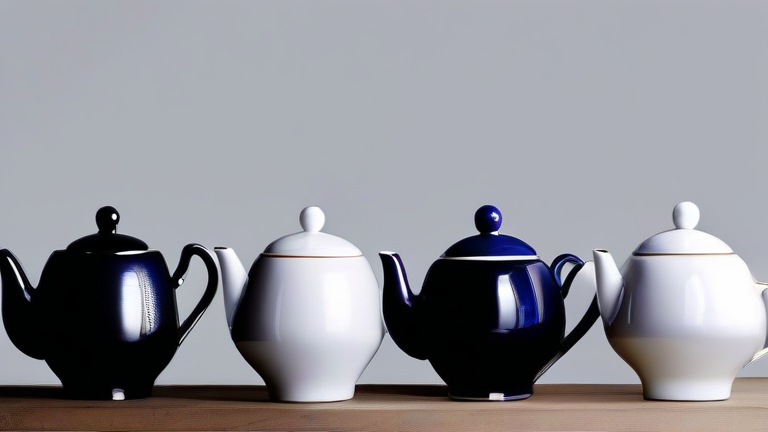
TL;DR: Porcelain teapots are the superior choice for health-conscious tea drinkers because their non-porous, inert material prevents chemical leaching and ensures pure flavor. This stability preserves the integrity of delicate tea compounds, offering a safer and more hygienic brewing experience than reactive metals or porous clays.
The Science of Inert Materials
When selecting a teapot, material safety is paramount. Porcelain is fired at extremely high temperatures, resulting in a glass-like, non-porous surface. Unlike cast iron, which can leach minerals, or lower-quality glazed ceramics that may contain lead, high-quality porcelain is chemically inert. This means it will not react with acidic teas or alter the pH levels of your brew. For those sensitive to heavy metals or seeking to avoid any potential contaminants, porcelain provides a neutral canvas that keeps your tea exactly as the cultivator intended.
If you want to dig deeper, check out our guide on Tech-Enhanced Porcelain Teapots: Smart Features & Top Sets.
Flavor Purity and Hygiene
One of the most overlooked health benefits of porcelain is its resistance to absorbing odors and flavors. Porous materials like unglazed stoneware can trap tea oils, leading to cross-contamination between different tea varieties. Over time, this buildup can harbor bacteria or mold if not scrubbed aggressively, which often damages the pot’s interior. Porcelain’s smooth, glazed surface allows for effortless cleaning, reducing the risk of bacterial growth and ensuring that every cup of green, white, or oolong tea tastes fresh. This hygiene factor is crucial for daily wellness routines, as it eliminates the need for harsh cleaning agents that might leave residues in your tea.
Lifestyle Tips for Optimal Brewing
To maximize the health benefits of your porcelain tea set, consider the following tips. First, always preheat your porcelain teapot with hot water before adding dry leaves. This thermal shock resistance ensures even extraction without cracking the material. Second, use porcelain for delicate teas like white and green, which require lower brewing temperatures. The material’s ability to maintain consistent heat without over-extracting bitterness protects the catechins and amino acids responsible for tea’s antioxidant properties. Finally, invest in a matching porcelain cup set. Serving tea in the same material maintains temperature stability longer, allowing you to sip slowly and maximize the absorption of beneficial compounds like L-theanine.
FAQ
Q: Is porcelain safe for brewing herbal teas?
A: Yes, porcelain is completely safe for herbal teas. Its inert nature ensures that no unwanted chemicals leach into the water, preserving the purity of medicinal herbs and floral infusions.
Q: How does porcelain compare to glass in terms of health safety?
A: Both are safe, but porcelain offers better insulation. Glass is non-reactive, but porcelain’s thicker walls keep tea hotter for longer, which is ideal for fully extracting beneficial compounds from robust black teas without the risk of burning your hands.
Q: Can porcelain teapots be used for cold brew tea?
A: Yes, while less common, porcelain is an excellent vessel for cold brew. Its non-porous surface prevents the tea from absorbing the smell of the fridge, and it is easy to sanitize, making it a hygienic option for overnight steeping methods.
Leave a Reply