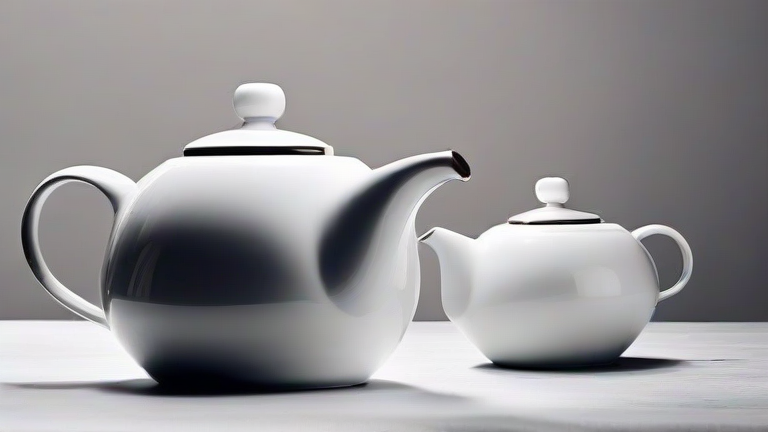
TL;DR: To keep your porcelain teapot pristine, rinse immediately after each use with warm water, and deep-clean monthly with baking soda—never abrasive scrubbers. For brewing, always pre-warm the pot with hot water and use loose-leaf tea at the correct temperature to prevent cracking and staining.
Step 1: Rinse Immediately After Brewing
Porcelain is non-porous but still absorbs tannins from tea, which cause brown stains. As soon as you finish your tea, pour out the leaves and rinse the pot with warm (not boiling) water. Swirl gently to remove residue. Do not use soap daily—it can leave a film that alters the taste of your next brew. For daily rinsing, plain water is enough.
If you want to dig deeper, check out our guide on How to Use a Porcelain Teapot: The Ultimate Step-by-Step Gui.
Step 2: Deep-Clean Weekly (Without Harsh Chemicals)
Once a week, fill the teapot with warm water and add 1 tablespoon of baking soda. Let it sit for 15 minutes, then use a soft sponge or a bottle brush with nylon bristles to gently scrub the interior. For stubborn stains on the spout, dip a cotton swab in baking soda paste (baking soda + a few drops of water) and work it into the crevice. Rinse thoroughly with warm water. Never use steel wool, bleach, or dishwasher detergent—these will scratch the glaze and ruin the finish.
Step 3: Remove Stubborn Tannin Stains with Rice or Lemon
If stains persist, place 2 tablespoons of uncooked white rice and 1 cup of warm water inside the pot. Cover the lid, hold it with both hands, and swirl vigorously for 1 minute. The rice acts as a gentle abrasive that lifts stains without scratching. Alternatively, cut a lemon in half, rub the cut side over the interior, and let it sit for 10 minutes before rinsing. Lemon’s citric acid breaks down tannins, but do not use it more than once a month—acid can dull the glaze over time.
Step 4: Proper Drying and Storage
After cleaning, dry the teapot upside down on a clean dish towel with the lid off. Never store a wet teapot with the lid on—trapped moisture causes mold and mildew. Once fully dry, store the pot with the lid slightly ajar (place a toothpick between lid and body) to allow air circulation. Keep it away from direct sunlight, which can fade hand-painted designs.
Step 5: Brewing Temperature and Pre-Warming
Porcelain handles thermal shock poorly. Always pre-warm the empty pot by filling it with hot tap water (or water just below boiling) and letting it sit for 2 minutes. Discard that water, then add your leaves. Brew green or white tea at 175°F (80°C), oolong at 195°F (90°C), and black or herbal at 212°F (100°C). Boiling water poured directly into a cold porcelain pot can cause hairline cracks. Also, never place the pot directly on a stovetop or open flame—porcelain is not flame-safe.
Step 6: Brewing Technique for Flavor
Use 1 teaspoon of loose-leaf tea per 8 ounces of water. Add the leaves to the pre-warmed pot, then pour water over them. Steep for 2–3 minutes for green, 3–4 for oolong, and 4–5 for black. Pour all tea out into cups immediately after steeping—leaving leaves in water over-extracts and makes the tea bitter. For multiple infusions, add 30 seconds more time per subsequent steep. Porcelain’s neutral surface does not absorb flavors, so you can brew different tea types in the same pot without cross-contamination.
FAQ
Q: Can I put my porcelain teapot in the dishwasher?
A: No. Dishwasher detergents contain harsh alkalis and chlorine that will dull the glaze, and the high
Leave a Reply