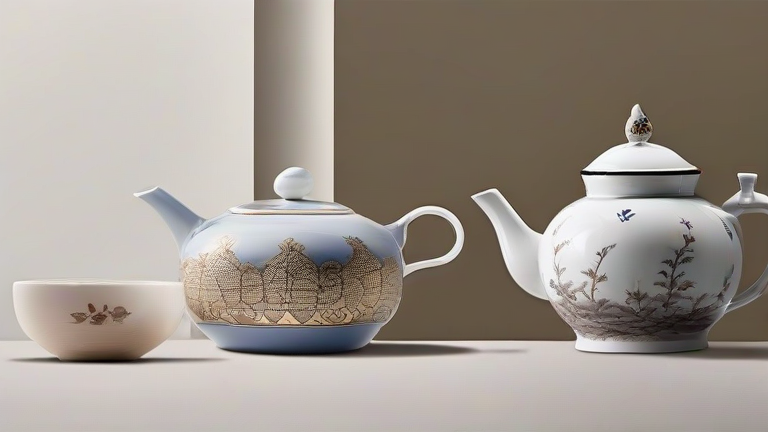
TL;DR: A porcelain teapot is the single best investment for elevating your daily tea ritual because it retains heat evenly without altering flavor, unlike clay or metal. Choose a thin-walled, glazed pot with a snug-fitting lid, and pair it with matching cups to turn a simple brew into a meditative, cultural pause.
Why Porcelain, Not Just Pretty?
Porcelain—fired at over 1,200°C—is non-porous, meaning it won’t absorb tannins or essential oils from your tea. This is a game-changer for anyone who drinks both delicate white teas and robust pu-erh. A clay pot “remembers” every brew, but porcelain gives you a clean slate each morning. Its high thermal shock resistance allows you to rinse with boiling water without cracking, and the smooth glaze makes cleaning effortless—no lingering bitterness, no ghost flavors. For the traveler or the minimalist, a single porcelain set adapts to every tea type, from Japanese sencha to English breakfast.
If you want to dig deeper, check out our guide on Porcelain Teapots for Health: Benefits & Brewing Tips.
The Ritual of Slow Pouring
There is a tactile pleasure in a porcelain teapot that plastic or glass can’t mimic. The weight in your palm, the cool touch of the glaze warming gradually as you pour—this is a sensory anchor. Try this: warm the pot with hot water, discard, then add leaves. Watch the steam curl from the spout as you pour in a slow spiral. The thin walls let you feel the water’s temperature through your fingertips, teaching you to brew by intuition rather than timer. This is not just making tea; it’s a form of moving meditation, a break from screens that resets your nervous system.
Cultural Notes: From Jingdezhen to Your Table
Porcelain was born in China’s Jingdezhen, the “Porcelain Capital,” and its spread along the Silk Road changed global dining. When you buy a hand-painted set, you’re holding centuries of craft—each cobalt brushstroke or celadon glaze tells a story of kiln masters and trade routes. To honor that lineage, pair your pot with a simple wooden tray and a small ceramic pitcher (a “gong dao bei”) for fairness of strength across cups. This small addition elevates a solo session into a shared, cross-cultural experience. Even if you never travel to Asia, your kitchen becomes a quiet embassy of that heritage.
Choosing Your Perfect Set
Look for three things: a spout that drips minimally (test with water), a lid that doesn’t wobble, and a body that feels balanced when full. For solo rituals, a 200ml pot is ideal; for guests, 350–500ml. Avoid overly thick walls—they hide the tea’s color. Invest in a matching cup with a flared rim, as it cools the tea and enhances aroma. Don’t be afraid of white porcelain; it’s the blank canvas that shows the amber, jade, or ruby hues of your brew. A good set costs $40–$150, but it will outlive your coffee maker by decades.
FAQ
Q: Can I use a porcelain teapot on a stove or in a microwave?
A: No—porcelain is for steeping, not heating. Boil water separately, then pour it into the pot. Microwaving can cause thermal shock and crack the glaze.
Q: How do I remove tea stains from a porcelain teapot without scratching it?
A: Use a soft sponge with baking soda and warm water, or fill the pot with a 1:1 vinegar-water solution overnight. Never use steel wool; it will permanently dull the glaze.
Q: Is a porcelain set better than a glass or cast-iron one for daily use?
A: For daily variety, yes—porcelain is lighter than cast iron and doesn’t retain odors like glass can. It’s the most versatile choice for switching between green, oolong, and herbal teas without cross-contamination.
Leave a Reply