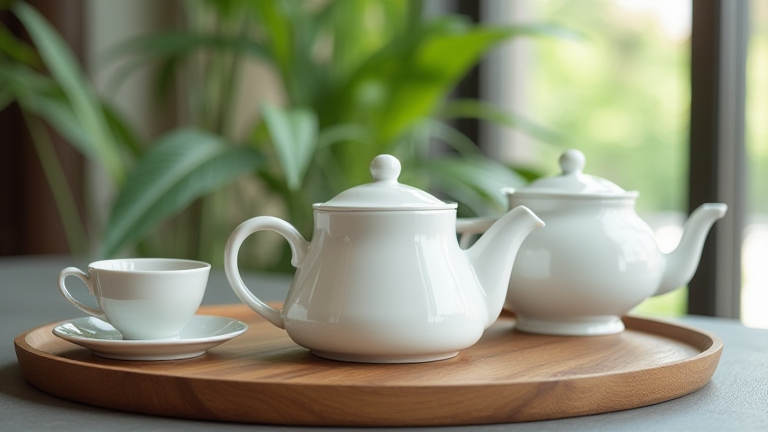
TL;DR: Porcelain teapots enhance tea health benefits by maintaining optimal brewing temperatures without leaching chemicals or altering flavor. Selecting high-quality porcelain ensures a safe, durable vessel that supports a consistent and therapeutic daily tea ritual.
The Science of Porcelain and Tea Chemistry
Porcelain has been the preferred material for tea vessels for centuries, and modern science confirms why. Unlike ceramic or clay, porcelain is fired at extremely high temperatures, resulting in a non-porous, vitrified surface. This characteristic is crucial for health and wellness because it prevents the absorption of tea tannins and oils, which can lead to staleness or bacterial growth over time. From a chemical perspective, porcelain is inert. It does not react with the acidic compounds found in green or white teas, nor does it leach heavy metals like lead or cadmium, which can sometimes be present in lower-quality glazed ceramics. This purity ensures that the polyphenols, catechins, and L-theanine in your tea remain intact, delivering the full spectrum of antioxidant benefits to your body.
If you want to dig deeper, check out our guide on Handmade Porcelain Teapots & Sets: Ultimate Buyer’s Guide.
Thermal Efficiency and Flavor Preservation
One of the primary health benefits of using a porcelain teapot lies in its thermal properties. Porcelain has a high heat retention capacity, which is essential for proper extraction. Different teas require specific water temperatures to release their medicinal compounds without becoming bitter or under-extracted. For example, delicate green teas require water between 160°F and 180°F (71°C–82°C) to preserve heat-sensitive vitamins like Vitamin C. Boiling water can scorch the leaves, destroying these nutrients and creating a harsh taste. A well-designed porcelain teapot helps maintain this temperature range throughout the steeping process, ensuring that you maximize the health benefits of each cup. Furthermore, the smooth interior allows for easy cleaning, reducing the risk of mold or mildew that can develop in porous materials if not meticulously maintained.
Lifestyle Tips for Optimal Brewing
To get the most out of your porcelain tea set, consider the following lifestyle tips. First, invest in a teapot with a secure, tight-fitting lid. This minimizes heat loss and preserves the aromatic volatile compounds that contribute to the calming effects of tea. Second, pre-warm your porcelain vessel with hot water before adding the dry leaves. This thermal shock prevention ensures consistent extraction and protects the integrity of the porcelain. Third, practice mindful brewing. Instead of rushing, take time to observe the unfurling leaves. This ritualistic aspect of tea drinking has been shown to reduce cortisol levels and promote mindfulness, contributing to mental wellness. Finally, choose a teapot size that matches your consumption habits. A smaller teapot encourages you to brew smaller, fresher batches, preventing the over-extraction that occurs when tea sits too long, which can lead to excessive caffeine intake and potential digestive discomfort.
FAQ
Q: Is porcelain safe for brewing herbal teas with high acidity?
A: Yes, high-quality porcelain is chemically inert and resistant to acidic compounds, making it safe for all types of herbal and fruit teas without risking chemical leaching.
Q: How should I clean a porcelain teapot to maintain hygiene?
A: Wash your porcelain teapot with warm water and a mild, unscented dish soap after each use, then rinse thoroughly and air dry to prevent any residue from affecting future brews.
Q: Can I use a porcelain teapot in the microwave?
A: Most porcelain teapots are microwave-safe, but you should always check the manufacturer’s instructions to ensure the glaze and any metal accents are microwave-compatible to avoid cracking or damage.
Leave a Reply