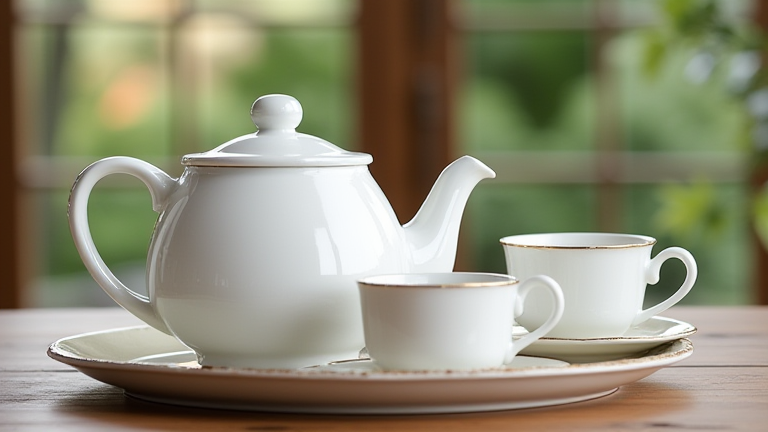
Porcelain Tea Sets: Elevate Your Home with Timeless Elegance
TL;DR: Porcelain tea sets transform daily rituals into moments of mindful luxury by combining exquisite craftsmanship with functional design. They serve as enduring centerpieces that blend cultural heritage with modern interior aesthetics, offering a sophisticated upgrade to your living space.
In an era dominated by digital distractions and rapid consumption, the act of brewing tea has re-emerged as a vital anchor for personal well-being. While the quality of the leaves is paramount, the vessel from which they are served plays an equally critical role in the sensory experience. Porcelain, a material revered for centuries across East Asia and Europe, offers a unique synergy of beauty, durability, and thermal efficiency that few other materials can match. Choosing a high-quality porcelain tea set is not merely a purchase of kitchenware; it is an investment in a lifestyle that values presence, precision, and aesthetic pleasure.
If you want to dig deeper, check out our guide on Porcelain Teapot Buying Guide: Best Tea Sets for Modern Home.
The Art of Material and Craftsmanship
Porcelain is distinct from standard ceramic due to its composition and firing process. Made from kaolin clay and fired at extremely high temperatures, it achieves a vitrified state that is both non-porous and exceptionally white. This whiteness is not just a color choice but a functional advantage. It allows the drinker to appreciate the true hue of the tea liquor, whether it is the pale jade of a premium green tea or the amber glow of a roasted oolong. Unlike stoneware, which can retain odors over time, porcelain’s smooth, glass-like surface ensures that the pure flavor of the tea remains uncompromised, sip after sip.
From a cultural perspective, porcelain tea sets act as bridges to history. Each piece often reflects specific regional traditions. For instance, the delicate thin-walled teapots of Jingdezhen, China, are designed to withstand the high temperatures required for brewing delicate greens, while the heavier, glazed sets from Europe might prioritize heat retention for black teas. Owning such items connects the modern home to a lineage of artisans who dedicated their lives to mastering the alchemy of fire and earth. This connection adds a layer of narrative depth to your home decor, turning a simple shelf into a gallery of cultural artifacts.
Integrating Elegance into Modern Living
Incorporating a porcelain tea set into your home does not require a formal tea room. The modern approach to tea culture emphasizes adaptability. A sleek, minimalist white porcelain set can complement a contemporary Scandinavian interior, adding a touch of organic softness to clean lines. Conversely, a set with intricate cobalt blue patterns can serve as a bold accent piece in a neutral space, drawing the eye and sparking conversation. The key is to treat the tea set as a focal point. Displaying the teapot and cups on a dedicated side table or an open shelf, rather than hiding them in a cabinet, invites guests to participate in the ritual.
This practice fosters a sense of hospitality and personal growth. Preparing tea is a meditative process. The precise measurement of leaves, the controlled pouring of water, and the attentive serving encourage a slowing down of the mind. In this way, the porcelain set becomes a tool for mindfulness. It reminds us to pause, to be present, and to appreciate the small details of life. The elegance of the material enhances this state of mind, creating an environment where stress can dissolve into the steam rising from the cup.
FAQ
Q: Is porcelain safe for microwave use?
A: Most pure white porcelain tea sets are microwave-safe, but those with metallic accents or thick glazes should be checked by the manufacturer to ensure heat resistance.
Q: How should I clean a new porcelain teapot?
A: Wash new porcelain with warm water and mild soap to remove any dust or factory residues; avoid using abrasive scrubbers that could scratch the delicate glaze.
Q: Can I use a porcelain set for coffee?
A: While possible, porcelain is best suited for tea because its non-porous nature preserves subtle aromas, whereas coffee oils can eventually stain lighter porcelain glazes
Leave a Reply