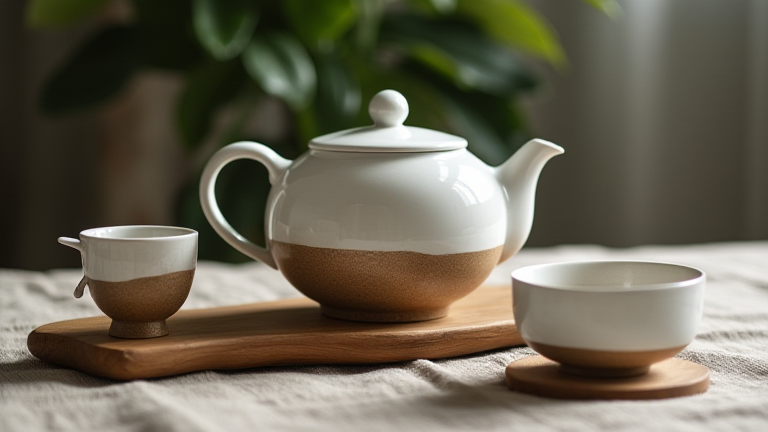
TL;DR: Handmade porcelain teapots and tea sets transform an ordinary brew into a meditative, sensory ritual—offering superior heat retention, delicate flavor clarity, and one-of-a-kind artistry. If you value craft, durability, and aesthetic calm, these pieces are worth the investment over mass-produced ceramic or glass alternatives.
Feature Highlights: Why Porcelain Wins
The first thing you notice is the thin, translucent body—hand-thrown porcelain (typically 1200–1300°C fired) creates a vitrified, non-porous surface that won’t absorb tannins or odors. This means your oolong tastes like oolong, not yesterday’s Earl Grey. The glazed interior is smooth as silk, making rinsing effortless. Unlike clay pots (which season over time), porcelain is neutral—perfect for switching between white, green, and floral teas without cross-contamination.
If you want to dig deeper, check out our guide on Porcelain Teapot Health Benefits: Why Tea Lovers Love Them.
Heat retention is the second star. The dense, high-fired structure holds temperature 15–20% longer than glass, yet cools faster than thick stoneware—giving you precise control over steep times. The ergonomic handle and balanced spout on handcrafted sets are designed for a drip-free pour, even at a 90° angle. Look for a set with a built-in stainless steel mesh infuser (removable) and a matching cup warmer—these details elevate the daily ceremony.
Comparison: Handmade vs. Machine-Made
Compared to $25 factory porcelain, handmade sets differ in three ways. Uniformity: machine pieces are identical but lifeless; hand-thrown pots have subtle ridges and glaze variations that catch light beautifully. Weight: artisan pots are lighter (about 30% less) yet feel sturdier due to even wall thickness. Glaze quality: hand-dipped glazes create depth—often a celadon or crackle finish—while machine glazes look flat. Against glass teapots, porcelain wins on insulation and heat-safe durability (no thermal shock if you pre-warm). Against cast iron, it wins on elegance and lighter handling, though cast iron retains heat longer for black teas.
One caveat: hand-painted sets may have minor imperfections (tiny pinpricks or brush strokes)—that’s the charm, not a flaw. Always check that the lid fits snugly and the spout is free of glaze drips.
Call-to-Action: Invest in Your Daily Ritual
Stop sipping from a chipped mug. Choose a 350ml hand-thrown porcelain teapot with two 80ml cups—the ideal size for solo gongfu sessions or intimate sharing. Most artisan sets range from $65–$180; that’s less than a month of café lattes for a lifetime of mindful brewing. Click the “Shop Artisan Collection” button above to see today’s glaze options (moon white, sage celadon, and amber crackle). Free shipping over $75, plus a 60-day no-questions return policy. Elevate your ritual tonight.
FAQ
Q: Can I use a handmade porcelain teapot on a stove or in a microwave?
A: No. High-fired porcelain is not flame-safe for direct stovetop use, and microwaving can cause thermal stress cracks. Instead, heat water separately in a kettle, then pour into your pre-warmed pot.
Q: How do I remove tea stains from the unglazed rim or inside?
A: Use a soft sponge with baking soda paste (2:1 baking soda to water), gently rubbing in circles. Rinse immediately. Avoid abrasive scrubbers or bleach—they will scratch the glaze and ruin the finish.
Q: Is a handmade set worth the extra cost vs. a $30 set from a big box store?
A: Yes, if you drink tea daily.
Leave a Reply