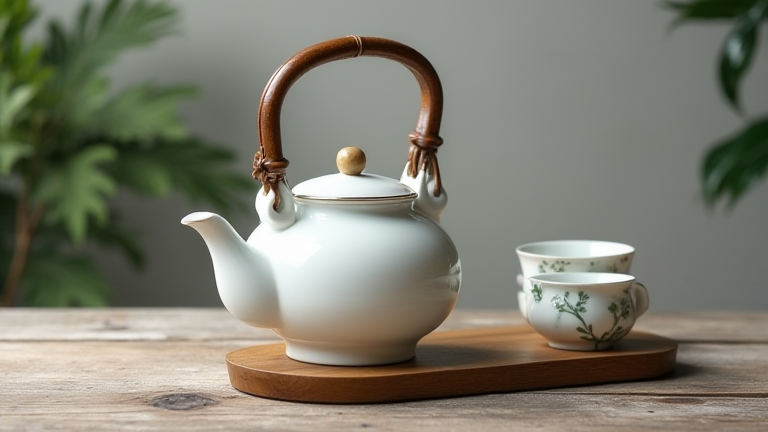
TL;DR: A porcelain teapot isn’t just a vessel—it’s a slow-living anchor that turns a hurried cup into a mindful pause. Investing in a quality set enhances flavor, heat retention, and the quiet ceremony that elevates tea from a drink to a daily ritual.
The Art of the Pour: Why Porcelain Wins
In a world of disposable pods and instant sachets, the porcelain teapot demands presence. Unlike clay or cast iron, porcelain is non-porous, meaning it won’t absorb the oils of previous brews. That purity lets delicate whites, floral oolongs, and even aged pu-erh express their true character. The thin walls heat up quickly and cool gracefully, giving you control over each infusion—a dance of temperature and time that tea lovers call “the third wave.” But the real magic is tactile. The smooth, glazed surface warms under your palms, and the gentle weight of the lid as you lift it feels like opening a small, sacred door.
If you want to dig deeper, check out our guide on Elevate Your Home: Timeless Porcelain Teapots & Elegant Tea .
Curating Your Set: More Than a Pot
A timeless set isn’t about matching perfection—it’s about harmony. Start with a classic side-handle pot (around 200ml) for solo sessions, then add a larger 500ml family pot for gatherings. Pair it with thin-walled cups that let you see the liquor’s amber depths. Look for hand-painted cobalt or celadon finishes that echo ancient kilns from Jingdezhen, but don’t overlook minimal white—its blank canvas makes every leaf’s color pop. A proper set also includes a fairness pitcher (gong dao bei) to equalize strength, and a small tea tray to catch spills, turning accidents into part of the choreography. The ritual of warming the pot, rinsing the leaves, and pouring in slow arcs becomes a moving meditation—no phone, no notifications, just the hiss of hot water and the clink of porcelain.
Travel, Culture, and the Ritual of Slow
Taking a porcelain set on the road is a radical act. Whether you’re in a Kyoto ryokan or a mountain cabin, unrolling a cloth-wrapped pot and brewing a proper gongfu session grounds you in place. It’s a personal-growth practice in patience: you can’t rush a good steep. Each pour reminds you that some things—like friendship, like tea—need time to unfold. Culturally, porcelain is China’s gift to the world, a story of kilns, trade routes, and craftsmanship passed down through generations. By choosing a handmade set, you’re not just buying a product; you’re funding that lineage and carrying it forward. That’s the elevation—not in price, but in intention.
FAQ
Q: How do I clean a porcelain teapot without damaging it?
A: Rinse immediately with warm water and a soft sponge—never soap, as it can leave residue. For stains, steep a bit of baking soda in the pot for 10 minutes, then rinse. Avoid abrasive scrubbers and let it air dry completely before storing.
Q: Can I use a porcelain teapot on a stove or in a microwave?
A: Only if it’s explicitly labeled “flameproof” or “microwave-safe.” Most decorative porcelain is for steeping only—direct heat can cause crazing or cracks. Always heat water separately in a kettle, then pour into the pot.
Q: What’s the ideal teapot size for a beginner?
A: Start with a 300–400ml pot—enough for two cups but small enough to control steeping. This size works for both solo rituals and sharing with a friend, and it’s forgiving if you overfill. As you grow, you’ll know if you prefer tiny 100ml gaiwans or larger 600ml brewers.
Leave a Reply