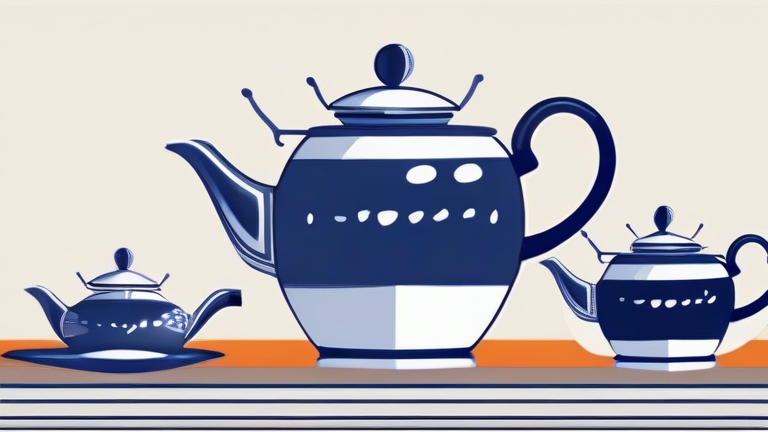
TL;DR: Porcelain teapots are a superior choice for health and wellness because their non-porous, lead-free composition prevents flavor contamination and chemical leaching. Using them preserves the delicate antioxidants in your tea, offering a safer, more authentic brewing experience compared to porous clay or metallic alternatives.
The Purity of Porcelain for Daily Wellness
In the quest for a healthier lifestyle, the tools we use to prepare our beverages matter as much as the ingredients themselves. Porcelain teapots have long been revered in wellness circles not merely for their aesthetic elegance, but for their functional superiority in maintaining the integrity of your tea. Unlike unglazed clay teapots, which can absorb oils and odors, porcelain is vitrified, creating a completely non-porous surface. This means that every cup you brew tastes exactly as intended, without residual flavors from previous brews or porous traps that can harbor bacteria. For health-conscious individuals, this hygiene aspect is crucial. Bacteria and mold struggle to survive on smooth, glazed surfaces, making porcelain teapots easier to sanitize thoroughly. This is particularly important for those with compromised immune systems or sensitive digestive systems, ensuring that your morning ritual remains a source of nourishment rather than potential irritation.
If you want to dig deeper, check out our guide on Top 10 Porcelain Teapots & Sets for the Perfect Brew.
Preserving Nutrients and Antioxidants
Tea is rich in polyphenols, catechins, and other antioxidants that contribute to cardiovascular health and reduced inflammation. However, these delicate compounds can degrade if exposed to high heat for too long or if they interact with reactive materials. Porcelain is an inert material, meaning it does not react with the acidic components of tea. This inertness ensures that the full spectrum of beneficial nutrients is preserved in your cup. Furthermore, porcelain retains heat exceptionally well, allowing you to maintain the optimal steeping temperature without the risk of scalding the leaves, which can release excessive tannins and create a bitter, astringent taste. By controlling the temperature more precisely than metal kettles, porcelain helps you extract the maximum health benefits from your tea leaves. This precision brewing supports a consistent intake of antioxidants, contributing to long-term cellular health and cognitive function.
Safe Materials and Environmental Considerations
When evaluating the health impact of kitchenware, the safety of the glaze is paramount. High-quality porcelain teapots are typically lead-free and cadmium-free, especially those manufactured in regions with strict safety regulations. This is a significant advantage over some cheaper ceramic options that may contain heavy metals which can leach into hot liquids over time. Choosing a reputable brand ensures that you are not ingesting harmful substances with every sip. Additionally, porcelain is a durable material that can last for decades with proper care. From a wellness perspective, owning fewer, higher-quality items reduces waste and supports a sustainable lifestyle. A well-maintained porcelain teapot set becomes a lifelong companion, reducing the environmental footprint associated with frequent replacements. This longevity aligns with the holistic health principle of mindful consumption, where quality over quantity is valued in all aspects of life.
Practical Tips for Optimal Use
To maximize the health benefits of your porcelain teapot, proper maintenance is essential. Hand washing with mild soap is recommended to preserve the glaze integrity. Avoid sudden temperature shocks, such as pouring boiling water into a cold pot, as this can cause cracking. Instead, warm the teapot with a small amount of hot water before brewing. This not only protects the material but also ensures a more consistent brewing temperature. Use a strainer to keep leaves out of the pot, preventing sediment from settling at the bottom where it can become difficult to clean. Regularly inspecting your teapot for chips or cracks in the glaze is also important, as these areas can become breeding grounds for bacteria. By following these simple steps, you ensure that your porcelain teapot remains a hygienic and effective tool for your daily wellness routine.
FAQ
Q: Is porcelain better than glass for tea?
A: Porcelain retains heat better than glass, which helps maintain optimal steeping temperatures and preserves the delicate flavors and nutrients in the tea more effectively.
Q: Can I
Leave a Reply