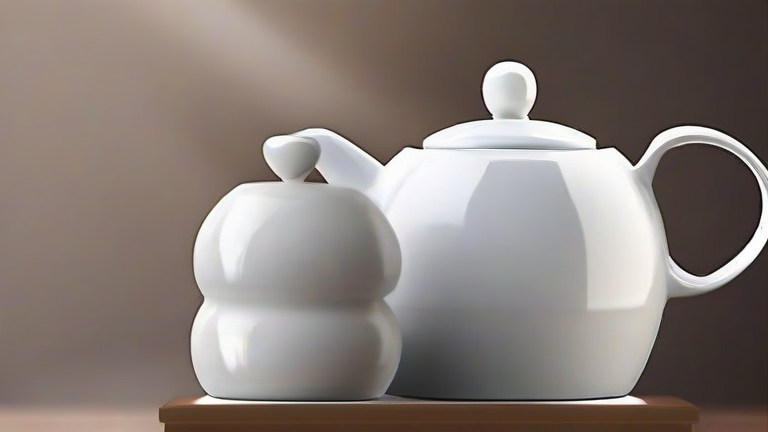
TL;DR: Porcelain teapots are a non-reactive, lead-safe (when properly glazed) brewing vessel that preserves tea’s antioxidants and flavor without metallic or plastic off-notes. They also support mindful hydration habits and are safe for daily use if you avoid thermal shock and choose food-grade, lead-free glazes.
Why Porcelain Matters for Your Health
Unlike metal or unglazed clay, porcelain is vitrified (glass-like) and non-porous. This means it does not absorb tannins, oils, or residual flavors from previous brews, which keeps your tea cleaner and reduces the risk of bacterial buildup. More importantly, high-quality porcelain is inert—it won’t leach aluminum, iron, or nickel into your tea, unlike some stainless steel or cast-iron pots. This is critical because acidic teas (like hibiscus or citrus blends) can accelerate metal ion release. Porcelain’s neutral chemistry preserves delicate catechins and L-theanine, the amino acid responsible for calm focus, without degrading them through metallic reactions.
If you want to dig deeper, check out our guide on Elevate Your Tea Rituals: Top Porcelain Teapots & Sets.
Safety: Lead, Glazes, and Thermal Shock
Not all porcelain is equal. Cheap, low-fired ceramic or decorative glazes may contain lead or cadmium. Always buy from reputable brands that certify “lead-free” and “food-safe” glazes. A simple home test: rub a lemon wedge on the glaze—if it etches or changes color, avoid brewing in it. Also, never place a cold porcelain teapot directly on a high flame or pour boiling water into a chilled pot. Porcelain can crack from thermal shock, which not only ruins the pot but may create sharp edges and micro-fractures where bacteria hide. Preheat the pot with warm water first, then add hot water.
Brewing Tips for Maximum Nutrient Extraction
To get the most antioxidants (like EGCG from green tea), brew at the correct temperature. For green or white tea, use 160–175°F (71–79°C) and steep 2–3 minutes. For black or herbal teas, use 200–212°F (93–100°C) and steep 3–5 minutes. Porcelain’s heat retention is moderate—it cools faster than cast iron but slower than glass—which helps prevent over-extraction and bitterness that can cause stomach irritation. Use 2–3 grams of loose leaf per 8 oz of water. Always remove leaves after steeping; leaving them in a warm porcelain pot will release excess tannins, which can interfere with iron absorption in your body.
Lifestyle Habits with Porcelain Tea Sets
Using a dedicated porcelain teapot encourages ritual and slower sipping, which reduces stress and improves hydration. Try a “tea pause” twice daily: brew a small pot, pour into a matching cup, and focus on the aroma for 10 seconds before drinking. This mindfulness practice lowers cortisol and enhances digestion. Also, because porcelain doesn’t retain oils, you can switch between green, oolong, and herbal teas without cross-flavor contamination—making it easier to rotate varieties for different health benefits (e.g., peppermint for digestion, chamomile for sleep).
Cleaning and Care
Rinse with warm water immediately after use. Avoid soap—porcelain’s smooth surface doesn’t need it, and soap residue can alter taste. For stubborn stains, use baking soda paste. Never use steel wool. Air dry upside down. Properly cared for, a porcelain teapot can last decades, reducing waste from disposable tea bags and plastic bottles.
FAQ
Q: Is porcelain teapot safer than plastic or glass?
A: Yes. Porcelain is non-porous and non-toxic (when lead-free), unlike plastic which can leach BPA or phthalates with hot liquids. Glass is safe but doesn’t retain heat as well, leading to under-extraction of beneficial compounds.
Q: Can porcelain teapots improve the taste of tea?
A: Yes. Because porcelain is inert and doesn’
Leave a Reply