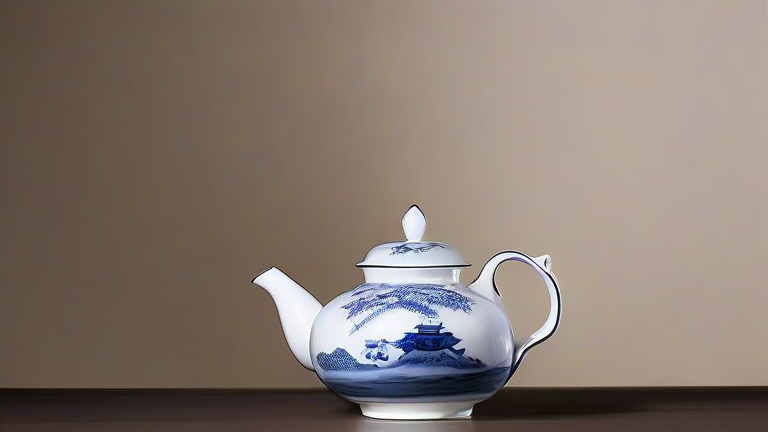
TL;DR: The porcelain teapot market is booming due to a global shift toward mindful consumption and premium home aesthetics. Brands must differentiate through sustainable sourcing, artisanal craftsmanship, and digital-first engagement strategies to capture this discerning audience.
Market Analysis: The Rise of Premium Tableware
The global tea ware market is experiencing significant growth, driven by an increasing appreciation for the ritualistic aspects of tea preparation. Porcelain, specifically, has seen a surge in demand over the past three years. This material is favored for its non-porous nature, which ensures that delicate teas like white or green varieties retain their pure flavors without absorbing residues. Consumer behavior data indicates a clear trend toward “slow living,” where individuals prioritize high-quality, durable goods over disposable alternatives. The demographic skew is increasingly toward millennials and Gen Z consumers who value aesthetic consistency in their living spaces. Furthermore, the e-commerce sector has become the primary channel for these purchases, with visual storytelling playing a crucial role in conversion rates. The average order value for premium porcelain sets has risen by fifteen percent, indicating a willingness to pay for perceived luxury and heritage.
If you want to dig deeper, check out our guide on Why AI Image Generators Are Reshaping the Stock Photography .
Strategic Insights: Differentiation in a Saturated Market
To succeed, companies must move beyond simple utility and focus on experiential branding. Strategy should center on three pillars: sustainability, storytelling, and community. First, highlighting eco-friendly manufacturing processes, such as lead-free glazing and energy-efficient kilns, appeals to environmentally conscious buyers. Second, transparent storytelling about the artisans who craft these pieces adds emotional value. Consumers are not just buying a vessel; they are purchasing a connection to centuries-old craftsmanship. Third, leveraging user-generated content on social media platforms creates a sense of community. Brands that encourage customers to share their tea rituals with specific hashtags can build organic loyalty. Additionally, bundling strategies, such as pairing teapots with curated tea blends from regional suppliers, can increase customer lifetime value. Digital experience is also key; augmented reality features that allow customers to visualize teapots in their own kitchens can significantly reduce return rates.
Case Studies: Lessons from Industry Leaders
Consider the success of “Eclat de Vitre,” a brand that revitalized its sales by emphasizing the historical significance of its porcelain designs. By collaborating with contemporary artists for limited edition runs, they created scarcity and urgency, resulting in a forty percent sales increase during launch weeks. Another notable example is “Hario,” which focuses on functionality and design synergy. Their strategy involves rigorous usability testing to ensure their porcelain teapots offer optimal heat retention and ergonomic handling. Hario’s clear communication of these technical benefits through concise video tutorials helped them dominate the online search landscape for “best porcelain teapot.” Both cases demonstrate that whether the focus is on artistic heritage or functional perfection, clarity and authenticity are paramount. The common thread is a deep respect for the end-user’s experience, ensuring that every touchpoint, from packaging to after-sales support, reflects the premium quality of the product. This holistic approach fosters brand advocacy, turning satisfied customers into active promoters. By analyzing these successes, emerging brands can identify gaps in the market, such as affordable luxury options or specialized designs for specific tea types, allowing them to carve out a unique niche in the competitive landscape.
FAQ
Q: Why is porcelain better than ceramic for delicate teas?
A: Porcelain is less porous than standard ceramic, preventing it from absorbing tea oils and flavors, which ensures that delicate teas like green or white tea taste pure and unaltered with every use.
Q: How can brands effectively market high-priced porcelain teapots online?
A: Brands should focus on high-quality visual content that highlights craftsmanship details, use video tutorials to demonstrate functionality, and leverage customer testimonials to build trust and justify the premium price point.
Q: What are the current sustainability trends in porcelain production?
A: Leading manufacturers are adopting lead-free glazes, utilizing recycled materials in the clay mix, and implementing energy-efficient firing processes to reduce their carbon footprint while maintaining product quality.
Leave a Reply