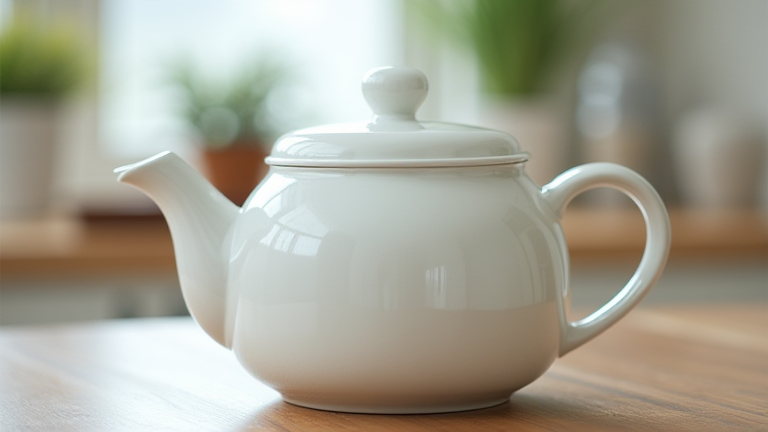
TL;DR: Yes, high-quality porcelain teapots are generally safe for brewing tea, as the glaze forms a non-porous, inert barrier that prevents leaching of harmful substances. The primary health benefit is preserving the delicate flavors and antioxidants of the tea by avoiding metallic tastes or chemical interactions found in lower-quality materials.
The Science of Porcelain Safety
When considering home kitchenware, material composition is the primary determinant of safety. Porcelain is a type of ceramic made from kaolin clay, quartz, and feldspar, which are fired at extremely high temperatures, typically between 1,200 and 1,400 degrees Celsius. This intense heat vitrifies the material, meaning it becomes glass-like and non-porous. This structural integrity is crucial for health because it prevents the absorption of liquids, odors, or bacteria. Unlike unglazed clay or lower-fired stoneware, high-fired porcelain does not contain porous structures where mold or bacteria could thrive over time. Furthermore, reputable manufacturers adhere to strict food safety standards, ensuring that the glazes used on the exterior and interior are free from lead and cadmium. These heavy metals can leach into hot liquids, particularly acidic ones, causing long-term health issues such as kidney damage or neurological problems. By choosing certified, lead-free porcelain teapots, you eliminate this significant risk. The inert nature of the ceramic body means that no chemical reactions occur between the hot water and the pot, ensuring that the only thing you are consuming is the tea itself, free from unwanted additives or leached materials.
If you want to dig deeper, check out our guide on 7 Health Benefits of Drinking Tea from Porcelain Teapots.
Preserving Nutrients and Flavor Profiles
One of the subtle health benefits of using a porcelain teapot is the preservation of the tea’s nutritional profile and sensory qualities. Metals, such as those found in stainless steel or cast iron teapots, can interact with the tannins and polyphenols in tea. While this is not always harmful, it can alter the taste, creating a metallic aftertaste that may discourage consistent consumption of this beneficial beverage. Tea is renowned for its high concentration of antioxidants, specifically catechins, which have been linked to reduced inflammation and improved cardiovascular health. Porcelain, being chemically neutral, allows these compounds to remain intact and unaltered. The smooth, non-porous surface also makes it easier to clean thoroughly without trapping tea residues. This hygiene aspect is vital for maintaining a healthy brewing environment. Residual tea leaves can decompose if left in porous materials, potentially fostering bacterial growth. With porcelain, a simple rinse with hot water and mild soap is usually sufficient to remove residues, ensuring that every cup of tea is brewed in a sanitary vessel. This consistency in taste and cleanliness encourages better hydration habits and supports the routine of enjoying warm, antioxidant-rich beverages throughout the day.
Lifestyle Tips for Optimal Use
To maximize the health and longevity of your porcelain teapots and tea sets, adopt a few mindful lifestyle practices. First, always check for chips or cracks in the glaze. If the underlying clay is exposed, it becomes porous and can absorb liquids, compromising the safety and cleanliness of the pot. Discard any teapot with significant damage to the glaze. Second, while porcelain is durable, it is brittle. Avoid sudden temperature shocks, such as pouring boiling water into a cold pot or placing a hot pot in a cold sink. Let the pot warm up gradually or allow it to cool down before washing. This care prevents hairline fractures that could develop into larger breaks. Third, store your teapot with the lid slightly ajar or removed to allow air circulation, preventing the buildup of moisture and mildew smells. Finally, consider investing in a matching porcelain tea set. Having dedicated vessels for different types of tea can help you appreciate the distinct flavors and aromas, enhancing your overall wellness ritual. The aesthetic pleasure of using beautiful, high-quality porcelain can also reduce stress and promote mindfulness, adding a psychological benefit to the physical health aspects of tea consumption. By treating your porcelain teapot with care and understanding its material properties, you ensure a safe, flavorful, and healthy tea-drinking experience.
FAQ
Q: Is porcelain teapot safe for brewing herbal teas?<
Leave a Reply