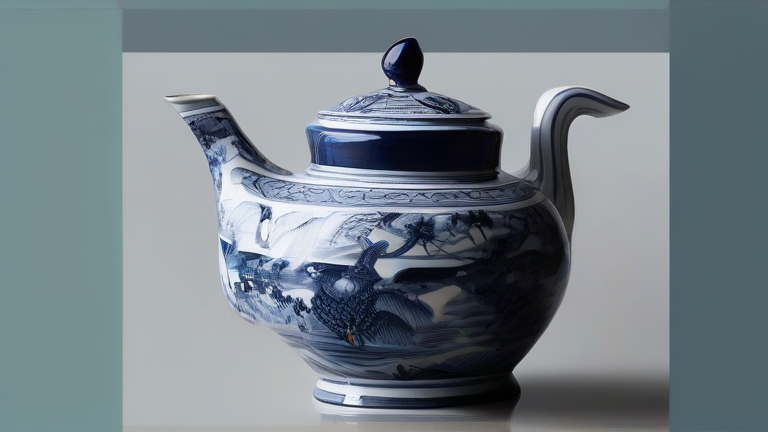
TL;DR: To maintain your porcelain teapot, wash it with warm water and a soft sponge after every use, avoiding soap to preserve the tea’s natural flavors. Never submerge the lid in water to prevent it from becoming waterlogged and developing unpleasant odors.
Initial Setup and First Brew
Before using a new porcelain teapot, perform a “seasoning” rinse. Fill the pot with boiling water and swirl it around for thirty seconds to remove any manufacturing residues. Discard this water. This step is crucial for porcelain, as it ensures the interior surface is clean and ready to interact with tea leaves without introducing foreign tastes. Unlike cast iron or clay pots, porcelain is non-porous, so it does not absorb oils or flavors over time. This makes it ideal for brewing green, white, and delicate oolong teas where purity of taste is paramount. When selecting your tea set, ensure the spout is unobstructed and the lid fits snugly. A well-fitted lid retains heat and aroma, which are essential for a superior brewing experience. Check that the handle is securely attached and comfortable to hold, especially when the pot is full and hot.
If you want to dig deeper, check out our guide on The Art of Tea: Why Porcelain Teapots Elevate Your Lifestyle.
Daily Cleaning Routine
After each brewing session, empty all tea leaves immediately. Leaving leaves in the pot, even for a short period, can cause tannins to stain the interior or create a bitter residue. Rinse the pot with hot tap water. Use a soft, non-abrasive sponge to gently scrub the interior walls. Avoid using steel wool or harsh chemical cleaners, as these can scratch the delicate glaze of the porcelain. Scratches can trap tea stains and bacteria, leading to mold growth. If you notice slight discoloration, soak the pot in a solution of warm water and white vinegar for ten minutes, then rinse thoroughly. For the exterior, wipe it down with a damp cloth to remove dust or water spots. Dry the teapot upside down on a tea towel to allow air circulation and prevent moisture buildup in the spout and handle areas.
Storage and Maintenance
Proper storage extends the life of your porcelain tea set. Store the teapot with the lid slightly ajar to allow airflow and prevent mildew. Do not store the lid inside the pot, as trapped moisture can warp the seal or create a musty smell. Porcelain is durable but brittle, so handle it with care to avoid chips or cracks. If you own a matching set, store cups and saucers separately to prevent accidental collisions. Periodically check the glaze for any hairline cracks, as these can weaken the structure over time. By following these simple steps, you ensure your porcelain teapot remains a beautiful and functional companion for years of enjoyable tea rituals.
FAQ
Q: Can I use dish soap on my porcelain teapot?
A: No, it is best to avoid soap as it can leave a residue that alters the taste of the tea. Rinse with hot water and a soft sponge instead.
Q: How do I remove stubborn tea stains from the spout?
A: Use a small, soft brush or a cotton swab dipped in white vinegar to gently clean the inside of the spout, then rinse thoroughly.
Q: Is it safe to put a porcelain teapot in the dishwasher?
A: It is not recommended, as high heat and harsh detergents can damage the glaze or cause thermal shock, leading to cracks.
Leave a Reply