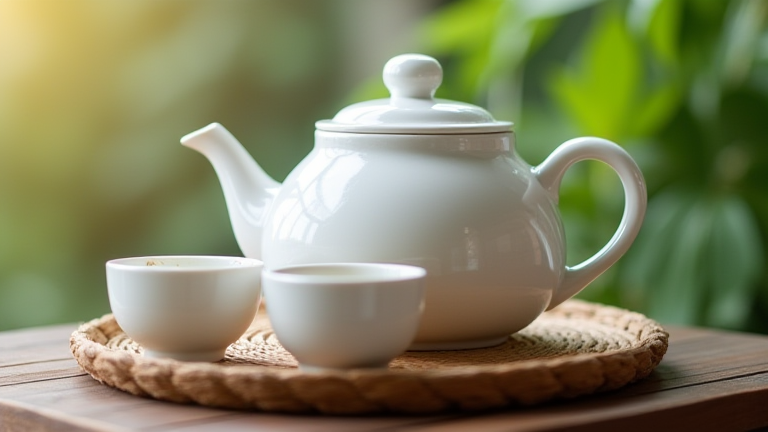
7 Health Benefits of Drinking Tea from Porcelain Teapots
TL;DR: Porcelain teapots provide a chemically inert surface that preserves the delicate antioxidants and polyphenols in tea, preventing unwanted reactions. Using high-quality porcelain ensures your beverage remains pure, allowing you to maximize the hydration, stress reduction, and metabolic benefits inherent in various tea varieties.
In the world of wellness, the vessel you use to brew your beverage is often overlooked. However, science suggests that the material of your teapot can significantly impact the chemical composition of your final cup. Porcelain has emerged as the gold standard for tea enthusiasts seeking both aesthetic elegance and physiological benefits. Unlike glass, which may retain odors, or metal, which can react with tannins, porcelain offers a unique set of advantages for your health.
If you want to dig deeper, check out our guide on Air Fryer Trend: Why Dehydrator Function Is Taking Over.
Pure Flavor and Antioxidant Preservation
The primary health benefit of using a porcelain teapot is the preservation of bioactive compounds. Porcelain is a non-porous, vitreous material. This means it does not absorb oils, flavors, or tannins from previous brews. When you brew green or white tea in a porcelain vessel, the catechins and polyphenols remain stable. These antioxidants are crucial for combating oxidative stress in the body. By preventing the leaching of metallic ions or the absorption of flavor into the pot walls, porcelain ensures that every sip contains the full spectrum of health-promoting phytonutrients.
Thermal Stability for Optimal Brewing
Proper brewing temperature is vital for extracting beneficial compounds without degrading them. Porcelain has excellent thermal stability, meaning it retains heat evenly without cracking or shattering under sudden temperature changes. This allows you to maintain the precise temperature required for different teas. For instance, green tea requires lower temperatures to prevent bitterness and preserve delicate nutrients. A porcelain teapot holds this heat consistently, ensuring that you extract the maximum amount of L-theanine, an amino acid known for promoting calm alertness and reducing cortisol levels, without over-extracting tannins.
Hygiene and Safety
Health also encompasses safety. Porcelain is fired at extremely high temperatures, creating a sealed surface that is resistant to bacteria and mold growth. This is particularly important for individuals with compromised immune systems or those prone to gastrointestinal issues. Unlike clay or ceramic pots that may harbor micro-pores where bacteria can thrive, a well-glazed porcelain teapot is easy to sanitize. This hygiene aspect reduces the risk of foodborne illness, ensuring that your daily tea ritual remains a safe source of hydration and comfort.
Mindfulness and Stress Reduction
The act of using a beautiful, durable porcelain tea set can enhance the mind-body connection. The smooth texture and elegant design of porcelain teapots encourage a slower, more intentional brewing process. This mindfulness practice lowers heart rate and blood pressure, contributing to overall mental wellness. The tactile experience of holding a warm porcelain pot can be grounding, helping to anchor you in the present moment and reduce anxiety levels.
Furthermore, the durability of porcelain means your teapot can last for decades. This sustainability aspect contributes to a sense of environmental well-being, knowing that your choice reduces waste and supports long-term usage. By investing in a high-quality porcelain tea set, you are not just buying a product; you are adopting a lifestyle choice that prioritizes purity, precision, and peace.
FAQ
Q: Does porcelain react with acidic tea components?
A: No, porcelain is chemically inert and highly resistant to acids, ensuring that the pH level and chemical integrity of your tea remain unchanged during brewing.
Q: How does porcelain compare to clay in terms of health benefits?
A: While clay can impart specific earthy flavors, it is porous and can retain bacteria. Porcelain is non-porous, making it more hygienic and better at preserving the original, unaltered antioxidant profile of the tea leaves.
Q: Can I use porcelain teapots for herbal infusions?
A: Yes
Leave a Reply