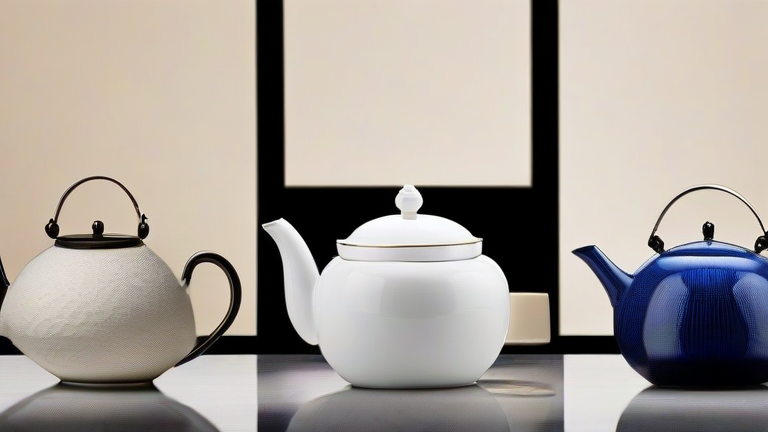
TL;DR: Luxury porcelain teapots transform daily tea rituals into moments of mindful artistry, blending heirloom craftsmanship with modern wellness. Investing in a high-fired, hand-painted set elevates both your table and your personal pace of life.
The Art of Slow Living, Poured
In a world optimized for speed, the act of brewing loose-leaf tea in a fine porcelain pot is a quiet rebellion. Unlike mass-produced ceramic, luxury porcelain—often fired at 1,300°C—yields a vitrified, non-porous body that doesn’t absorb flavors or odors. This means your first flush Darjeeling tastes as pristine on the tenth brew as it did on the first. The thin walls conduct heat evenly, allowing the leaves to unfurl fully, releasing complex notes that a steel infuser or clay pot can mute. For the traveler, a handcrafted set from Jingdezhen (China’s porcelain capital) or Limoges (France) becomes a portable meditation: unpacking it in a hotel room or a new apartment is an act of grounding, a familiar ritual amid unfamiliar surroundings.
If you want to dig deeper, check out our guide on 10 Emerging Sneaker Trends Reshaping Streetwear Right Now.
Curating Your Ritual: What to Look For
When selecting a luxury set, look beyond the glaze. Examine the foot rim—it should be smooth, not sharp, indicating hand-finishing. Check for “egg-shell” thinness held up to light: translucency signals high-quality kaolin clay. A proper set includes a teapot (600–900ml for sharing), two to four matching cups, and a serving tray or tea boat. For personal growth, choose a pattern that resonates with your intention—cobalt blue for calm, celadon for renewal, or gold accents for celebration. The tactile weight of the lid, the snug fit of the spout, and the balance of the handle all contribute to a meditative pour. Many collectors pair their pots with a bamboo whisk and a ceramic warmer, turning a simple afternoon into a ceremony of patience and precision.
Beyond the Brew: Culture & Connection
Porcelain is not just tableware; it’s a cultural passport. A Japanese Hagi-yaki-inspired set brings wabi-sabi imperfection, while a famille-rose pattern tells a story of Qing dynasty opulence. Each teapot invites you to learn its origin—research the kiln, the artist, the regional tea it was designed for. This curiosity extends your travel and culinary knowledge without boarding a plane. Hosting a tea tasting with friends using your luxury set becomes a slow-dining experience, pairing oolongs with dark chocolate or jasmine with light pastries. The investment—often $150–$600 for a quality set—pays dividends in daily mindfulness, replacing hurried coffee gulps with three deliberate sips. In this way, a porcelain teapot is less a product and more a practice: one that slows your breath, sharpens your senses, and reminds you that some things are worth savoring.
FAQ
Q: How do I clean a luxury porcelain teapot without damaging the glaze?
A: Rinse immediately with warm water only—never soap, which can cling to porous glaze micro-cracks. For stains, steep a spoonful of baking soda in the pot for 10 minutes, then rinse. Avoid abrasive sponges and dishwasher cycles; hand-dry with a soft cloth to preserve the luster.
Q: Can I use a porcelain teapot on a stovetop or in a microwave?
A: No. Luxury porcelain is designed for steeping, not direct heat. Use a separate kettle to boil water, then pour into the warmed pot. Microwaves can cause thermal shock, leading to crazing (tiny cracks) or breakage. For gentle warming, use a tea warmer candle or a heated tray.
Q: What’s the difference between porcelain and bone china in teapots?
A: Bone china contains 25–30% bone ash, giving it a warmer ivory tone and higher chip resistance, but it’s less translucent and slightly heavier. Pure porcelain is whiter
Leave a Reply