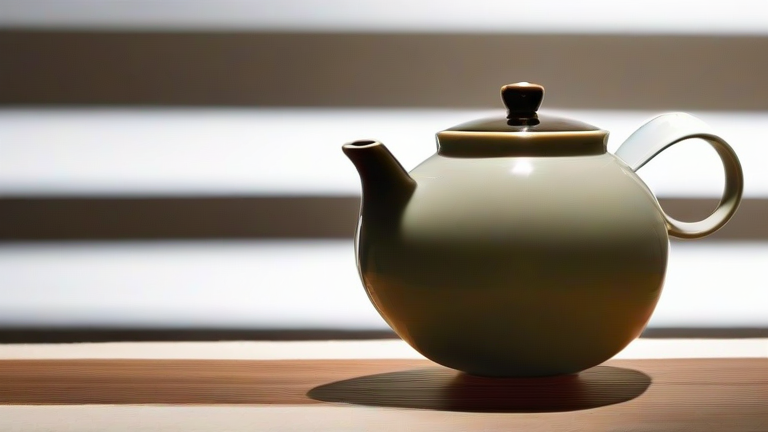
TL;DR: Slow tea with a porcelain teapot transforms a daily caffeine fix into a mindful pause, where the thin walls and heat retention amplify both flavor and calm. The ritual’s true art lies not in speed, but in the deliberate warmth of each pour.
The Quiet Luxury of Porcelain
In a world of instant pods and travel mugs, the porcelain teapot asks for something radical: your full attention. Unlike clay or iron, porcelain’s vitrified body doesn’t absorb oils or tannins, so each tea—whether a delicate Bai Mudan or a smoky Lapsang Souchong—tastes exactly as it should, unclouded by previous brews. Its thin walls heat up quickly but cool slowly, giving you a longer window to savor the second and third infusions without bitterness creeping in.
If you want to dig deeper, check out our guide on 7 Shopify Store Ideas That Actually Make Money.
Building Your Cozy Ritual
Start with a small, 300ml porcelain gaiwan or a classic lidded pot. Warm the vessel with hot water, then discard that rinse—this isn’t waste, it’s a prelude. Add leaves at a ratio of one gram per 50ml, and pour water just off the boil. The first steep is a short, 20-second “awakening.” As you pour, watch the steam curl; listen to the ceramic click against the cup. This is the art: not rushing to drink, but noticing the weight of the pot in your palm, the glaze’s sheen under lamplight, the way the spout drips a single amber bead.
Why Slow Wins
Personal growth hides in these pauses. When you commit to three slow steeps, you’re practicing patience. You’re also learning to adapt—porcelain’s neutrality means you must adjust steeping times based on your senses, not a timer. That feedback loop builds intuition. Travel writers often call tea “a liquid map”; with porcelain, the map is your own mood. A tired afternoon calls for a longer, gentler steep; a sharp morning needs a quick, bright one. The set becomes a mirror.
Finally, invest in a porcelain cup with a matching saucer. Hold it with two hands. Let the heat travel up your fingers. This is not just hydration—it’s a full sensory reset, a tiny vacation from notifications and noise.
FAQ
Q: Does porcelain really affect the taste more than glass or ceramic?
A: Yes. Porcelain is non-porous and has a smooth, dense surface that does not trap flavors, making it ideal for tasting teas at their purest, especially lighter oolongs and greens.
Q: Can I use a porcelain teapot for all tea types?
A: Absolutely—it’s the most versatile material. However, for very dark pu-erh or heavily roasted teas, you may prefer a clay pot to round out rough edges, but porcelain will always deliver a clean, honest brew.
Q: How do I clean a porcelain teapot without ruining its glaze?
A: Rinse with hot water immediately after use and air-dry upside down. Avoid soap; if stains persist, gently scrub with baking soda paste. Never put a porcelain pot on a stove or in a microwave—its beauty is for steeping, not cooking.
Leave a Reply