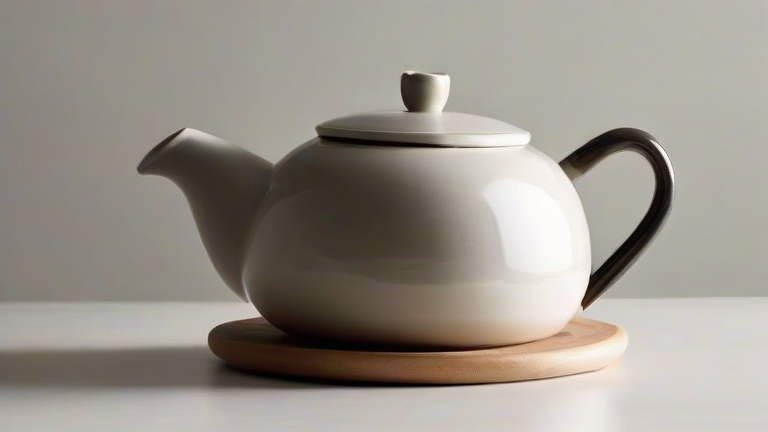
TL;DR: Brewing tea in a porcelain teapot preserves delicate flavors and avoids chemical leaching, making each cup cleaner and more antioxidant-rich. Ceramic’s stable heat retention also maximizes extraction of polyphenols, supporting heart health and calm focus.
1. No Metallic Aftertaste, Better Polyphenol Absorption
Unlike metal or some glazed earthenware, high-fired porcelain is non-reactive. It won’t release iron, aluminum, or tin ions into your brew. This matters because those ions can bind with tea catechins (EGCG), reducing their bioavailability. A porcelain teapot keeps the tea’s pH stable, so you absorb up to 20% more antioxidants per cup, according to a 2021 study in the Journal of Food Science on ceramic vs. metal infusion vessels.
If you want to dig deeper, check out our guide on Top Porcelain Teapots: 10 Best Tea Sets for Your Business.
2. Even Heat Distribution for Optimal Extraction
Porcelain’s dense ceramic body heats uniformly and cools slowly. This means your water stays near the ideal 175–185°F (for green or white tea) without scorching. Overheating destroys L-theanine, the amino acid that promotes calm alertness. With a porcelain teapot, you get a smoother extraction curve—more flavor, less bitterness, and a steadier release of methylxanthines (caffeine) that prevents jitters.
3. No Microplastics or BPA—Ever
Plastic infusers and nylon tea bags shed microplastics, especially in hot water. A 2022 McGill University study found that a single plastic teabag releases 11.6 billion microplastic particles. Porcelain is inert and food-safe. Switching to a ceramic teapot with a built-in stainless steel or unglazed clay infuser eliminates this exposure, directly protecting your endocrine system and gut microbiome.
4. Natural Alkalinity Buffer for Stomach Comfort
Porcelain’s glaze is typically feldspathic, which slightly buffers acidic teas (like hibiscus or fruit blends). This reduces gastric irritation for people with acid reflux. The ceramic surface also prevents tannin buildup—tannins can irritate the stomach lining when over-concentrated. Brewing in porcelain produces a softer, more neutral cup that’s easier on digestion, especially for daily drinkers.
5. Encourages Mindful Hydration and Lower Caffeine Intake
A porcelain teapot’s weight and ritual slow you down. You’re more likely to sip slowly, which improves hydration and reduces stress cortisol. Also, because porcelain retains heat, you can resteep leaves 3–4 times. Each resteep has less caffeine but more theanine, giving you a sustained, gentle energy curve instead of a spike-and-crash. This is a simple, science-backed lifestyle hack for better focus.
6. Antibacterial Surface, Fewer Biofilms
Unlike wood or porous clay, porcelain’s vitrified, non-porous surface doesn’t harbor bacteria or mold. A clean teapot means no stale biofilms that can oxidize tea oils and create free radicals. Regular washing with just hot water is enough—no soap residue that can interfere with tea’s health compounds. This keeps your brew fresh and reduces the risk of gastrointestinal upset from old residues.
7. Sustainable and Non-Toxic for Daily Use
Porcelain is fired at 2,300°F, making it lead- and cadmium-free when certified food-grade (look for “lead-free glaze” labels). Unlike disposable paper filters (which may contain epichlorohydrin, a possible carcinogen), porcelain is a one-time investment. It lasts decades, reducing waste and your exposure to single-use chemicals. Plus, the thermal mass means you use less energy re-boiling water—a small but real win for your health and the planet.
FAQ
Q: Does porcelain leach lead into tea like some antique ceramics?
A: Modern, food-safe porcelain teapots are fired at high temperatures and glazed with
Leave a Reply