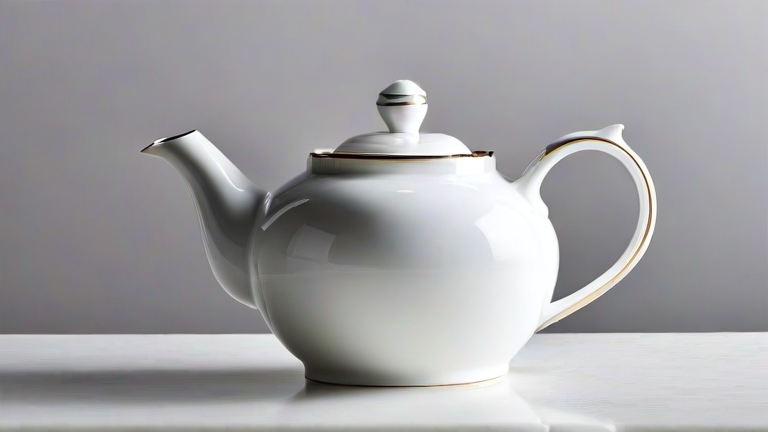
TL;DR: Porcelain teapots transform daily tea rituals into mindful, aesthetic experiences, merging centuries of craftsmanship with modern slow-living values. Their heat retention and delicate glaze elevate both flavor and atmosphere, making them a timeless investment in your home’s elegance.
The Art of Waiting: Why Porcelain Demands a Slower Pace
In a world of instant coffee and single-use pods, a porcelain teapot is a gentle rebellion. It asks you to pause—to watch the water heat, to inhale the unfurling leaves, to pour with intention. Unlike cast iron or glass, porcelain’s vitrified body distributes heat evenly without metallic notes, allowing oolong or white tea to express its full floral character. But its true luxury lies in the tactile ritual: the smooth, cool surface warming gradually in your palms, the whisper of the lid as you check the steep. This is not just brewing; it’s a meditation on patience, a skill our fast-paced lives have nearly forgotten.
If you want to dig deeper, check out our guide on Luxury Porcelain Teapots: Elevate Your Tea Time.
Traveling Through Craft: A Global Journey on Your Table
Every porcelain teapot carries a passport. From the cobalt-blue dynasties of Jingdezhen, China, to the hand-painted florals of England’s Stoke-on-Trent, each piece reflects a culture’s relationship with hospitality. When you choose a Japanese kyusu-style porcelain pot with its side handle, you’re honoring the tea ceremony’s precision. A French Limoges set whispers of afternoon salons and literary salons. Displaying these varied forms on a sideboard turns your dining room into a quiet museum of world traditions. Moreover, the glaze’s translucency catches light differently at each meal—morning sun reveals crazing lines that tell stories of decades of use, while candlelit dinners make the porcelain glow like alabaster. This is cultural travel without leaving your kitchen.
Personal Growth Through Imperfect Perfection
Owning porcelain teaches you to embrace breakage—both literal and metaphorical. A chip is not a failure but a map of memory; Japanese kintsugi philosophy reminds us that repairing with gold makes the object more beautiful. Similarly, learning to pour without dripping, to warm the pot with rinse water, and to never place it directly on a cold surface are small disciplines that build mindfulness. When you host friends, the teapot becomes a conversation starter, a physical anchor that slows storytelling. You become the curator of an experience, not just a server of beverages. Over time, you’ll find that the teapot’s quiet presence encourages you to breathe deeper, speak softer, and appreciate the fleeting warmth of the present moment—a lesson that extends far beyond the tea table.
Caring for Your Heirloom
To keep your porcelain radiant, hand-wash with mild soap and avoid thermal shock—never pour boiling water into a cold pot. Store with the lid slightly ajar to prevent mustiness. With this gentle care, a quality teapot can outlive you, becoming a familial touchstone. Its elegance is not in loud luxury but in steadfast grace, reminding us that the most refined things in life ask only for our attention and time.
FAQ
Q: What makes porcelain better than ceramic or clay for tea?
A: Porcelain is non-porous and vitrified at high temperatures, so it doesn’t absorb flavors or odors, unlike unglazed clay. It also retains heat longer than thin ceramic, while remaining neutral enough to let delicate teas like green or silver needle shine without added minerality.
Q: Can I use a porcelain teapot on a stove or in a microwave?
A: No—most porcelain teapots are for brewing only, not for direct heat. Thermal shock can crack the glaze. Instead, heat water separately in a kettle, then pour it into the pre-warmed porcelain pot (rinse it with hot water first) to steep safely.
Q: How do I choose a high-quality porcelain teapot for daily use?</strong
Leave a Reply