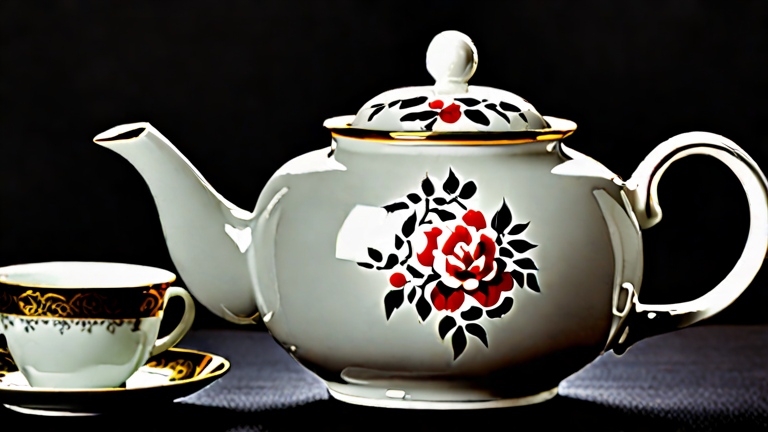
TL;DR: Choose a porcelain teapot with a smooth, non-porous glaze, a snug-fitting lid, and a balanced handle for comfortable pouring. Prioritize thin, translucent body walls (bone china or high-fired porcelain) for better heat retention and flavor clarity, and always match the pot’s size to your tea-drinking habits.
Step 1: Identify the Porcelain Type
Not all porcelain is equal. Hard-paste porcelain (fired above 1300°C) is dense, chip-resistant, and ideal for daily use. Soft-paste or bone china (contains bone ash) is more translucent and delicate, perfect for lighter teas like white or green. For a durable yet elegant tea set, test the body: hold it up to light—high-quality porcelain shows a warm, even glow without dark specks or bubbles.
If you want to dig deeper, check out our guide on Elevate Your Tea Ritual: Stylish Porcelain Teapots & Sets.
Step 2: Check the Glaze and Surface
Run your fingers over the interior and exterior. The glaze must be completely smooth, free of pinholes, crazing (fine cracks), or rough spots—these trap oils and alter tea flavor. Un-glazed rims on the underside of the lid or foot are normal, but the brewing chamber must be fully glazed. Avoid pots with painted designs inside the bowl; metallic or lead-based paints can leach into hot tea.
Step 3: Evaluate the Lid Fit and Spout
Place the lid on and gently rock it. A proper fit creates a slight suction when you lift it—no wobble. The lid knob should be cool to the touch after steeping (hollow knobs are better insulators). For the spout, look for a sharp, drip-free lip that angles downward. Test by pouring water: the stream should be steady, not spluttering, and the spout’s interior should be smooth without a rough seam.
Step 4: Balance and Handle Ergonomics
Hold the empty pot with your thumb and fingers. The handle’s curve should allow your index finger to rest on top without touching the body. Fill the pot with water and simulate a pour—the weight should shift backward, not forward. A handle set too low or too thin will cause wrist strain. Also, check that the handle is securely attached (no visible cracks in the joint) and is not purely decorative.
Step 5: Size and Filtering System
Match capacity to use: 150–200 ml for solo sessions, 300–400 ml for two people, and 500+ ml for gatherings. For loose leaf, choose a pot with a built-in ceramic mesh filter or a separate stainless steel basket that sits snugly. If you prefer a traditional style, ensure the spout’s interior has a multi-hole strainer (at least 15 small holes) to prevent leaf clogging.
Step 6: Heat Retention and Thickness Test
High-fired porcelain retains heat better than earthenware. Tap the pot gently with a fingernail—a clear, ringing tone indicates dense porcelain; a dull thud means under-firing. For daily brewing, opt for a medium-thick wall (around 3–4 mm) that balances heat retention with cooling control. Ultra-thin walls (under 2 mm) are elegant but fragile and cool quickly.
Step 7: Verify the Tea Set Compatibility
If buying a full tea set, ensure the cups and saucers share the same clay body and glaze formula—mismatched pieces expand at different rates and can crack. Check that cup rims are rolled (not sharp) and stack without scratching. For gaiwan-style sets, the saucer’s lip should catch drips, and the cup’s foot ring should be slightly recessed to avoid scratching the table.
Step 8: Warranty and Care Instructions
Ask about thermal shock resistance. Reputable brands offer a 1-year chip warranty. Before purchase, confirm the pot is dishwasher-safe (many hand-painted porcelains are not). For longevity, always pre-w
Leave a Reply