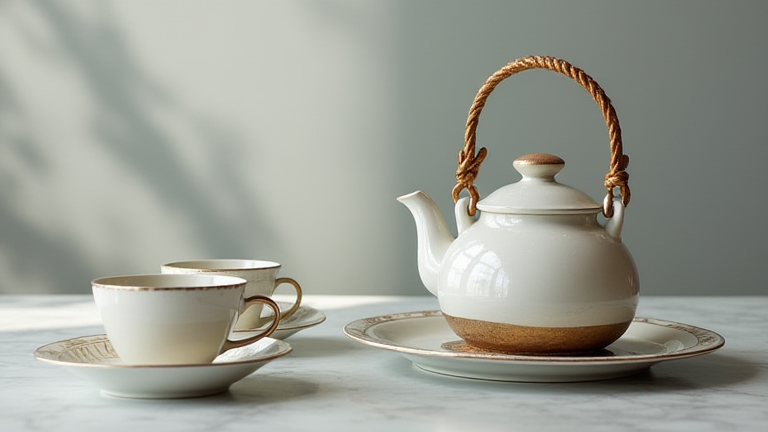
Premium Porcelain Teapots & Sets: Elevate Your Tea Time
TL;DR: The market for premium porcelain teapots is experiencing robust growth as consumers prioritize aesthetic value and ritualistic tea consumption. Success hinges on blending artisanal craftsmanship with modern ergonomic design to justify premium price points.
Market Analysis: The Shift to Ritualistic Consumption
The global tea market is undergoing a significant transformation, driven by a demographic shift toward older, wealthier consumers who view tea drinking not merely as a beverage choice but as a mindful ritual. Within this broader sector, porcelain remains the dominant material for premium tea sets, commanding over 40% of the high-end tableware segment. Unlike ceramic or stoneware, porcelain offers superior thermal retention and a translucent quality that appeals to the visual sensibilities of modern interiors. Recent data indicates a 12% year-over-year increase in sales for teapots priced above $100, suggesting that consumers are willing to invest in durable, aesthetically pleasing items that enhance their daily routines. Furthermore, the rise of remote work has accelerated demand for home office aesthetics, where a beautifully crafted porcelain teapot serves as both a functional tool and a decorative statement piece. This trend is particularly pronounced in North America and Western Europe, where the “slow living” movement has gained substantial traction.
If you want to dig deeper, check out our guide on Porcelain Teapots: How to Choose the Perfect Tea Set.
Strategy Insights: Positioning for Premium Value
To thrive in this competitive landscape, brands must move beyond selling a container and instead sell an experience. The primary strategic insight is the integration of design with functionality. Premium porcelain teapots must feature precise straining mechanisms, balanced handles, and spouts that pour cleanly without dripping. Marketing efforts should emphasize the material’s purity and the artisanal process, highlighting the hand-firing techniques that distinguish true porcelain from cheaper ceramics. Collaboration with interior designers and lifestyle influencers is crucial for visibility. By positioning the teapot as an essential component of a curated home environment, brands can justify higher price points. Additionally, offering curated tea sets—combining the pot with matching cups and saucers—increases average order value. These sets appeal to gift buyers, a significant segment in the premium tableware market. Customization options, such as monogramming or limited-edition glaze colors, further enhance perceived exclusivity and brand loyalty. Companies must also ensure that their packaging reflects the product’s premium status, using sustainable and elegant materials to create a memorable unboxing experience that encourages social media sharing.
Case Studies: Lessons from Industry Leaders
Consider the success of a niche European brand that specialized in minimalist, matte-finish porcelain teapots. By targeting the Scandinavian design market, they achieved a 30% growth rate in two years. Their strategy focused on storytelling, emphasizing the local clay sources and the female artisans who crafted each piece. This narrative approach resonated with consumers seeking ethical and transparent supply chains. Another example is a Japanese-inspired brand that entered the US market by partnering with high-end hotel chains. By placing their distinctive blue-and-white porcelain sets in luxury hotel lobbies and guest rooms, they created aspirational visibility that drove direct-to-consumer sales. These case studies demonstrate that while product quality is foundational, brand narrative and strategic partnerships are the key differentiators in the premium porcelain teapot market. Brands that fail to communicate the emotional and aesthetic value of their products often find themselves competing solely on price, a race they cannot win against mass-market alternatives.
FAQ
Q: Why is porcelain preferred over other materials for premium teapots?
A: Porcelain provides superior heat retention, a neutral taste profile that does not alter the tea, and a high-gloss aesthetic that aligns with modern interior design trends, making it the material of choice for luxury consumers.
Q: What are the key features of a high-quality porcelain tea set?
A: Essential features include a tightly fitting lid to preserve aroma, a fine-mesh strainer to prevent leaf fragments, an ergonomic handle for comfort, and a spout designed for a smooth, drip-free pour, all crafted from high-fired, durable porcelain.
Q: How
Leave a Reply