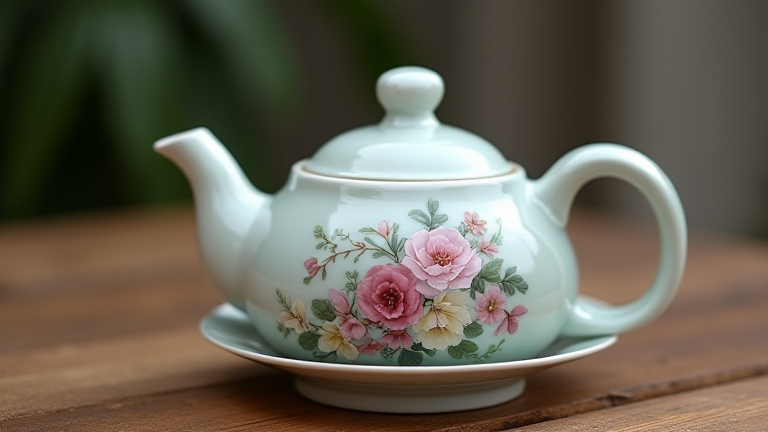
10 Must-Read Porcelain Teapot & Tea Set Tutorials for Beginners
TL;DR: Beginners should prioritize tutorials covering safe handling, proper pre-heating techniques, and basic brewing ratios to master their new porcelain tea sets. These ten essential guides provide the foundational knowledge needed to preserve the integrity of delicate ceramic ware while achieving perfect flavor extraction every time.
Understanding the Material
Your first step is learning why porcelain is special. Unlike stoneware or clay, porcelain is non-porous and highly durable. A great tutorial will explain how this material retains heat without absorbing flavors, making it ideal for green and white teas. You will learn that the thin walls allow for rapid temperature changes, which is crucial for delicate teas. This foundational knowledge prevents common mistakes like shocking the pot with boiling water when it is cold, which can cause micro-cracks over time.
If you want to dig deeper, check out our guide on Porcelain Teapots & Tea Sets: Health Benefits & Safety.
Pre-Heating Procedures
Next, find a guide dedicated to pre-heating. This is often skipped by beginners but is vital for consistent brewing. The tutorial should demonstrate how to pour boiling water into the teapot and cups to warm them thoroughly. By pre-heating, you ensure that the water temperature does not drop significantly when it hits the cold ceramic. This step is particularly important for high-temperature black teas and oolongs. Follow the instructions to discard the pre-heating water before adding dry leaves. This simple habit elevates your tea experience and protects your investment.
Measuring and Brewing
Look for tutorials that teach precise measurement. Porcelain pots come in various sizes, typically ranging from 150ml to 400ml. A good guide will provide a ratio chart, suggesting approximately two to three grams of tea per 100ml of water as a starting point. It will also cover steeping times for different tea types. For instance, green teas require shorter steeping times to avoid bitterness, while black teas can handle longer durations. These tutorials often include visual aids on how to fill the pot without overcrowding the leaves, ensuring they have room to unfurl properly.
Maintenance and Care
Finally, focus on maintenance tutorials. Porcelain is elegant but requires gentle care. Learn how to clean your set effectively without using abrasive materials that might scratch the glaze. These guides often recommend using mild, unscented soap and warm water. They will also advise against using dishwashers, as the high heat and harsh detergents can damage the finish over time. Proper drying is also key; ensure the pot is completely dry before storing it to prevent any potential mold growth in the lid or spout areas.
FAQ
Q: Can I use a porcelain teapot for all types of tea?
A: Yes, porcelain is neutral and versatile, making it suitable for green, white, oolong, black, and herbal teas, though you must adjust water temperatures for each type.
Q: What is the biggest mistake beginners make with porcelain tea sets?
A: The most common error is not pre-heating the vessel, which causes a sudden temperature drop that negatively impacts the tea’s flavor profile and aroma.
Q: How often should I replace my porcelain teapot?
A: With proper care, a high-quality porcelain teapot can last a lifetime, but you should replace it if any chips or cracks appear in the glaze, as this can harbor bacteria.
Leave a Reply