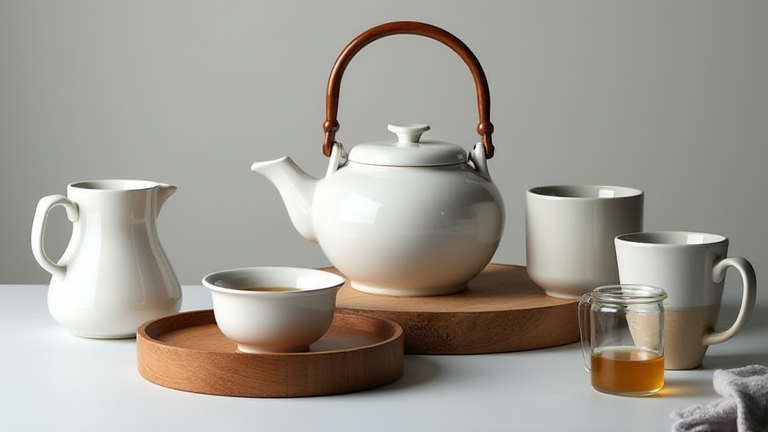
TL;DR: Handcrafted porcelain teapots and sets elevate your tea ritual through superior heat retention, delicate aesthetics, and artisanal craftsmanship that mass-produced ceramics cannot match. They are worth the investment for anyone who values both the taste of their tea and the beauty of their brewing tools.
Why Handcrafted Porcelain Changes Everything
Porcelain has long been the gold standard for tea vessels, and for good reason. Its non-porous surface preserves the true flavor of your tea without retaining oils from previous brews. When you choose handcrafted porcelain over factory-made alternatives, you gain thinner walls, more precise pouring, and a level of detail that transforms daily tea into a genuine ritual. Each piece carries the subtle marks of its maker—a slight variation in glaze, a perfectly balanced handle, a spout shaped by hand rather than machine.
If you want to dig deeper, check out our guide on Why Solid Gold Jewelry Is Beating Fast Fashion Trends.
Feature Highlights to Look For
The finest handcrafted porcelain teapots share several characteristics. First, examine the spout: a well-designed spout pours cleanly without dripping, thanks to careful shaping and a sharp inner lip. Second, check the lid fit—it should sit snugly but rotate freely, indicating precise craftsmanship. Third, consider the glaze. Food-safe, lead-free glazes are essential, and hand-applied finishes often produce unique color depth. Finally, look at the wall thickness. High-quality porcelain is thin yet durable, allowing heat to transfer efficiently while remaining lightweight in hand. Many sets also include matching cups, fairness pitchers, and strainers, creating a cohesive brewing experience.
Comparing Popular Options
When comparing handcrafted porcelain teapots, three categories stand out. Studio-made one-of-a-kind pieces offer unmatched artistry but vary in function—ideal for collectors. Small-batch workshops, often family-run, balance beauty and reliability, making them excellent daily drivers. Mass-produced “porcelain-style” sets cost less but typically use thicker walls, heavier glazes, and less precise spouts. For tea enthusiasts, the small-batch route usually delivers the best value. A 300ml teapot suits solo sessions or two small cups, while 500ml and above works for gatherings. If you brew delicate greens or oolongs, choose thinner porcelain; for black or pu-erh, slightly thicker walls help maintain temperature.
Elevate Your Ritual Today
Your tea ritual deserves tools that honor the leaf. Start by selecting a handcrafted porcelain teapot that matches your most-brewed tea type, then add a matching set for hosting. Feel the weight, test the pour, and appreciate the glaze—these small details accumulate into a noticeably better cup. Browse artisan collections, read maker stories, and choose a piece that speaks to you. Once you brew with handcrafted porcelain, you will never look at your old teapot the same way.
FAQ
Q: Is handcrafted porcelain teaware dishwasher safe?
A: Most handcrafted porcelain should be washed by hand with warm water and mild soap to protect glazes and delicate rims; always check the maker’s care instructions.
Q: How do I season a porcelain teapot?
A: Unlike unglazed clay, glazed porcelain does not absorb flavors, so seasoning is unnecessary—simply rinse thoroughly before first use.
Q: Can porcelain teapots handle boiling water?
A: Yes, high-fired porcelain is heat-resistant and safe for boiling water, though pre-warming the pot with hot water first prevents thermal shock.
Leave a Reply