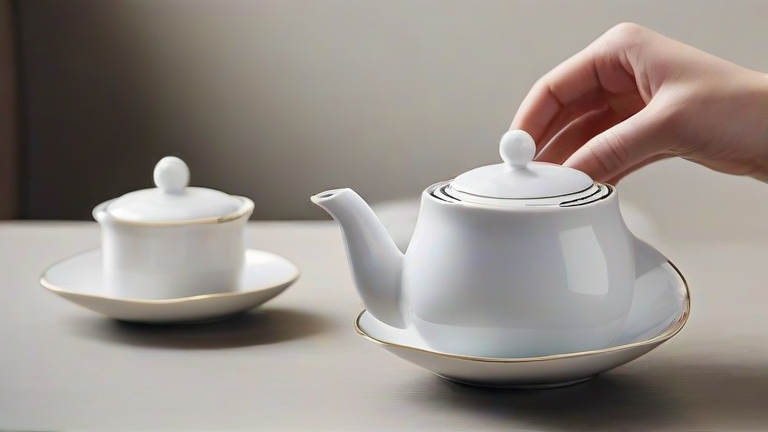
Luxury Porcelain Teapots: The Ultimate Tea Set Buying Guide
TL;DR: Luxury porcelain teapots represent a high-growth niche driven by consumers seeking aesthetic refinement and superior heat retention for premium tea experiences. Buyers should prioritize artisanal craftsmanship, specific clay body compositions, and reputable heritage brands to ensure long-term value and performance.
Market Analysis and Consumer Trends
The global market for luxury home goods is experiencing a significant shift toward mindful consumption and domestic wellness. Within this broader trend, the luxury porcelain teapot segment is expanding rapidly. Market data indicates a compound annual growth rate of over 6% in the high-end tableware sector. This growth is not merely due to rising disposable incomes but is deeply rooted in a cultural renaissance of tea drinking. Consumers are moving away from mass-produced, disposable options toward heirloom-quality items that offer both functional superiority and artistic value.
Demographically, the primary buyers are affluent professionals aged 35 to 65 who value craftsmanship. These consumers view a teapot not just as a vessel, but as a centerpiece for their daily ritual. The market is segmented into two main categories: European heritage brands, known for their delicate bone china and intricate hand-painting, and Asian artisanal studios, which emphasize functional minimalism and unique glaze techniques. Both segments are seeing increased demand as remote work trends continue to elevate the importance of home aesthetics.
Strategic Insights for Purchasing
When navigating this market, understanding the material composition is critical. True luxury porcelain is not just about thinness; it is about the density and translucency of the clay body. High-end porcelain is fired at higher temperatures, resulting in a harder, more durable product that retains heat better than standard stoneware. Strategy dictates that buyers should look for pieces with a “ring” when tapped, indicating a high-firing process that ensures longevity.
Furthermore, the design philosophy matters. Minimalist designs often appeal to modern interiors, while ornate, hand-painted pieces serve as statement artifacts. A smart purchasing strategy involves balancing aesthetics with ergonomics. A luxurious teapot must pour smoothly without dripping, a feature that varies significantly between manufacturers. Buyers should also consider the lid fit; a well-crafted lid should seal tightly to retain aroma and heat. Engaging with specialist retailers rather than general e-commerce platforms can provide access to exclusive collections and expert advice, mitigating the risk of purchasing inferior imitations.
Case Studies in Excellence
Consider the case of a prominent European manufacturer that successfully rebranded its line by focusing on sustainability and artisanal provenance. By highlighting the hands of the potters and the origin of the materials, they justified a premium price point, resulting in a 20% increase in sales among high-net-worth individuals. Another case involves a Japanese studio that introduced a limited-edition series featuring reactive glazes. Each teapot in the series was unique, creating a sense of exclusivity that drove rapid sell-outs and established a strong secondary market.
These examples illustrate that in the luxury tea set market, storytelling is as important as the product itself. The narrative of creation, the cultural heritage, and the specific utility of the design all contribute to the perceived value.
FAQ
Q: What is the key difference between luxury porcelain and standard ceramic teapots?
A: Luxury porcelain is fired at much higher temperatures, making it denser, more translucent, and superior in heat retention compared to standard ceramics.
If you want to dig deeper, check out our guide on 7 Health Benefits of Drinking Tea from Porcelain Teapots.
Q: How can I verify if a porcelain teapot is genuinely handcrafted?
A: Look for subtle inconsistencies in glaze or shape, check for maker’s marks, and inquire about the firing process, as mass-produced items often have perfect uniformity.
Q: Are luxury porcelain teapots suitable for all types of tea?
A: Yes, porcelain is non-porous and neutral, making it ideal for showcasing the pure flavor of green, white, oolong, and black teas without imparting extra tastes.
Leave a Reply