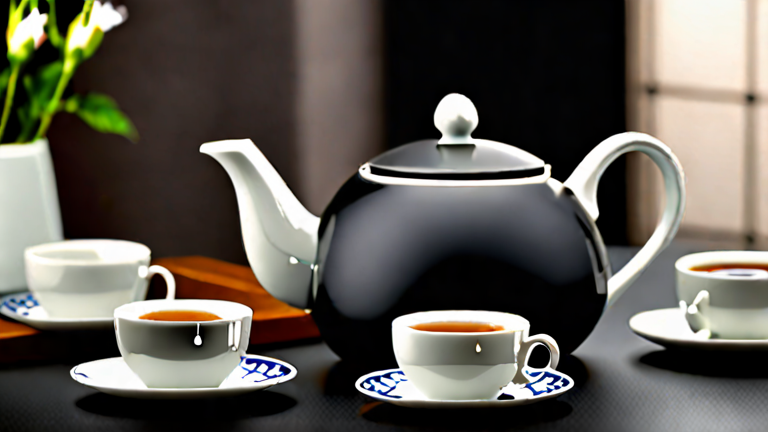
TL;DR: Modern smart tea sets embed precision temperature sensors, induction heating bases, and app-controlled steeping profiles directly into porcelain teapots and cups. These innovations solve porcelain’s traditional weakness—poor heat retention—while preserving the ritual and aesthetic that make porcelain the preferred vessel for fine tea.
Porcelain Meets Precision Heating
Porcelain has long been prized for its neutrality: it imparts no flavor, stains slowly, and showcases tea liquor beautifully. Its drawback is thermal behavior. Thin porcelain cools fast, making consistent extraction difficult. The latest smart tea sets address this with induction-ready porcelain bases co-fired with a thin ferromagnetic layer, allowing the pot to sit on a compact heating plate that holds water within ±1°C of a target temperature. Leading models offer 40–100°C ranges in 1°C increments, covering delicate green teas at 60°C through fully boiled pu-erh at 100°C.
If you want to dig deeper, check out our guide on Why Cold Brew Coffee Is the Trending Beverage of the Season.
Specs That Matter
Current flagship sets typically include a 400–600 ml porcelain pot, two to four matching cups, and a charging base rated at 300–800 W. Steeping timers sync via Bluetooth 5.0 or Wi-Fi, with apps supporting multiple saved profiles per tea type. Some units add weight sensors in the base to calculate leaf-to-water ratios automatically, while cup-level versions use small thermochromic or NFC tags to log drinking temperature. Battery life for cordless pour-over kettles in these sets ranges from 30 to 60 minutes of active heating.
Industry Impact
Traditional porcelain houses in Jingdezhen and Arita have partnered with consumer electronics firms to integrate electronics without compromising glaze chemistry or kiln firing schedules. The result is a new product category—premium smart tea sets retailing between $180 and $600—that appeals to younger buyers while lifting average selling prices across the category. Analysts estimate the smart teaware segment growing at roughly 12% annually, with porcelain remaining the dominant material over glass and clay because of its cultural associations and heat-transfer predictability once actively managed.
FAQ
Q: Can I use a smart porcelain teapot without the app?
A: Yes. Most models include physical buttons for temperature and time, with the app only needed for custom profiles and firmware updates.
Q: Does the embedded heating layer affect tea taste?
A: No. The ferromagnetic layer sits outside the glazed interior, so water and leaves contact only food-safe porcelain.
Q: Are these sets dishwasher safe?
A: The porcelain components usually are, but the base and any electronic cup tags must be removed and hand-wiped only.
Leave a Reply